How to Understand Traditional Publishing vs. Self-Publishing offers a comprehensive exploration of two distinct pathways available to aspiring authors. In an era where the literary landscape is continuously evolving, understanding the nuances between these publishing methods is essential for making informed choices. This guide will delve into the intricacies of traditional publishing, including the roles of agents and publishers, while also shedding light on the self-publishing process and the plethora of platforms available to authors.
Through this discussion, we will examine the advantages and disadvantages of both avenues, alongside financial implications and marketing strategies unique to each. With real-world examples and testimonials from authors who have navigated these routes, readers will gain valuable insights into making the right decision for their publishing journey.
Understanding Traditional Publishing
The traditional publishing process is a well-established method through which authors can bring their works to the market. This approach typically involves a range of professionals who contribute to the development, marketing, and distribution of books. Understanding this process can help aspiring authors navigate their publishing journey more effectively.The traditional publishing process begins with the author writing a manuscript, which is then submitted to literary agents.
Literary agents play a crucial role in representing authors, negotiating contracts, and helping to shape the manuscript for submission to publishers. Once an agent takes on a manuscript, they seek out suitable publishing houses that align with the genre and target audience of the book. Upon acceptance, the author enters into a contract with the publisher, who assumes responsibility for editorial development, design, printing, marketing, and distribution.
Advantages of Traditional Publishing
Choosing traditional publishing offers several distinct advantages for authors that can significantly enhance their careers. Some key benefits include:
- Access to Industry Expertise: Publishers employ experienced professionals who provide valuable guidance throughout the entire publishing process, from editing to marketing.
- Financial Support: Traditional publishers often cover the upfront costs associated with production, distribution, and marketing, allowing authors to focus on writing without the burden of financial risk.
- Wider Distribution Channels: Established publishers have access to extensive distribution networks, ensuring that books reach a broader audience, both in physical bookstores and online platforms.
- Marketing and Promotion: Traditional publishers invest in marketing campaigns, which can include author tours, advertising, and promotional events, significantly increasing the visibility of the author and their work.
- Credibility: Being published by a reputable traditional publisher can enhance an author’s credibility and legitimacy in the eyes of readers, critics, and bookstores.
The traditional publishing route has been successfully navigated by numerous authors who have established lasting careers. For instance, authors like J.K. Rowling, whose “Harry Potter” series was initially published by Bloomsbury, and Stephen King, who found early success with “Carrie” under Doubleday, exemplify how traditional publishing can serve as a launching pad for remarkable literary careers. These authors not only benefited from the resources provided by their publishers but also gained a significant readership and lasting impact in the literary world.
Exploring Self-Publishing

Self-publishing has emerged as a viable alternative to traditional publishing, providing authors with greater control over their work and the publishing process. This approach allows writers to reach their audiences directly, bypassing conventional gatekeepers and often resulting in more favorable financial arrangements. In this exploration, we will delve into the self-publishing process, the available platforms, the benefits of this publishing route, and notable success stories that highlight the potential of self-publishing.
Self-Publishing Process and Platforms
The self-publishing process encompasses several key steps that empower authors to take their manuscripts from concept to market. Initially, authors must complete their writing and undertake thorough editing. This can involve hiring professional editors to enhance the manuscript’s quality. Next comes the design phase, where authors should focus on creating an eye-catching cover and formatting the interior layout to meet industry standards.
Various tools and services can assist in this regard, including software like Adobe InDesign for formatting and platforms like Canva for cover design.Once the manuscript is polished and ready, authors can choose from a variety of self-publishing platforms to distribute their books. Some prominent platforms include:
- Amazon Kindle Direct Publishing (KDP): This platform allows authors to publish eBooks and paperbacks, offering extensive reach through Amazon’s marketplace.
- IngramSpark: Suitable for authors interested in print distribution, IngramSpark provides access to a vast network of retailers and libraries.
- Smashwords: Focused on eBooks, this platform distributes to multiple retailers and library systems, expanding an author’s reach.
- Lulu: Specializing in print-on-demand services, Lulu enables authors to publish and sell physical books without the need for inventory.
Authors should research and select the platform that best aligns with their publishing goals and target audience.
Benefits of Self-Publishing
Self-publishing offers numerous advantages compared to traditional publishing methods. These benefits can significantly influence an author’s decision-making process and overall publishing experience.One of the primary advantages is the creative control self-published authors maintain throughout the entire process. They have the autonomy to make decisions about cover design, pricing, and marketing strategies without the constraints imposed by traditional publishers.Additionally, self-publishing often provides a higher royalty rate.
Authors can expect to earn between 60% to 70% of the sales price on each book sold through platforms like KDP, whereas traditional publishers typically offer royalties ranging from 10% to 25%.The speed at which a book can be published is another remarkable benefit. Self-published authors can release their work as soon as they are ready, eliminating the lengthy timelines often associated with traditional publishing.
Successful Self-Published Authors
Numerous authors have made a name for themselves through self-publishing, showcasing the potential for success in this realm. For instance, Amanda Hocking gained widespread recognition for her paranormal romance novels, which she self-published before signing a traditional publishing deal. Her initial success on platforms like Amazon propelled her to sales that numbered in the millions.E.L. James is another notable example; her “Fifty Shades of Grey” series started as a self-published work and went on to become a global phenomenon, demonstrating the immense possibilities that self-publishing can offer.Furthermore, Hugh Howey’s “Wool” series began as a self-published eBook and eventually garnered significant attention from traditional publishers, further validating the self-publishing route.These authors exemplify how self-publishing can serve as a stepping stone to broader recognition and commercial success, inspiring aspiring writers to consider this empowering option.
Comparing Traditional and Self-Publishing

The landscape of publishing offers authors two primary paths: traditional publishing and self-publishing. Each method has its unique advantages and challenges, influencing not only the writing journey but also the overall success of the author. Understanding these differences is crucial for authors as they navigate their publishing options.
Pros and Cons of Traditional Publishing vs. Self-Publishing
Evaluating the strengths and weaknesses of both publishing methods helps authors make informed decisions regarding their work. The following table summarizes the pros and cons of traditional publishing compared to self-publishing:
| Criteria | Traditional Publishing | Self-Publishing |
|---|---|---|
| Creative Control | Limited creative control; subject to publisher’s decisions. | Full creative control over content and presentation. |
| Financial Investment | No upfront costs; publisher incurs expenses for production. | Author bears all costs for production, marketing, and distribution. |
| Royalties | Lower royalties (typically 10-15% of sales). | Higher royalties (up to 70% for e-books). |
| Time to Publish | Longer timeline (months to years) due to editorial process. | Faster publication (can publish within days or weeks). |
| Distribution | Wider distribution and access to bookstores and libraries. | Limited distribution; often relies on online platforms. |
| Marketing Support | Publisher provides marketing support and resources. | Author is primarily responsible for marketing their work. |
Financial Implications for Authors
The financial aspects of traditional and self-publishing are pivotal in determining which route is more viable for an author. In traditional publishing, authors typically receive an advance on royalties, which is an upfront payment from the publisher against future earnings. This can provide financial security during the initial stages of a book’s release. However, the percentage of royalties received on book sales is generally lower compared to self-publishing.In contrast, self-publishing allows for a higher royalty percentage per sale, often ranging from 35% to 70%.
Authors retain the majority of profits but must first cover the costs of production, including editing, cover design, and marketing. While self-publishing can be financially lucrative, it requires an initial investment and can lead to varying levels of profitability depending on the author’s marketing efforts.
“Understanding the financial implications is crucial for authors to align their publishing choice with their financial goals.”
Marketing Strategies in Traditional and Self-Publishing
The marketing approaches for traditional and self-publishing differ significantly, impacting the visibility and sales potential of a book. Traditional publishers typically have established marketing systems, including access to public relations teams, advertising budgets, and distribution networks. They often engage in organized book tours, promotional events, and arrangements for media coverage, which can enhance the visibility of the author and their work.On the other hand, self-published authors must take a more proactive approach to marketing their books.
They often rely on social media, personal networks, and online advertising to reach their audience. Self-published authors may also engage in tactics such as book giveaways, reader engagement through email newsletters, and collaborations with influencers in their genre. While these methods can be effective, they require significant effort and strategic planning.
“Successful marketing strategies hinge on the author’s understanding of their target audience and their ability to engage effectively.”
Making the Right Choice for You
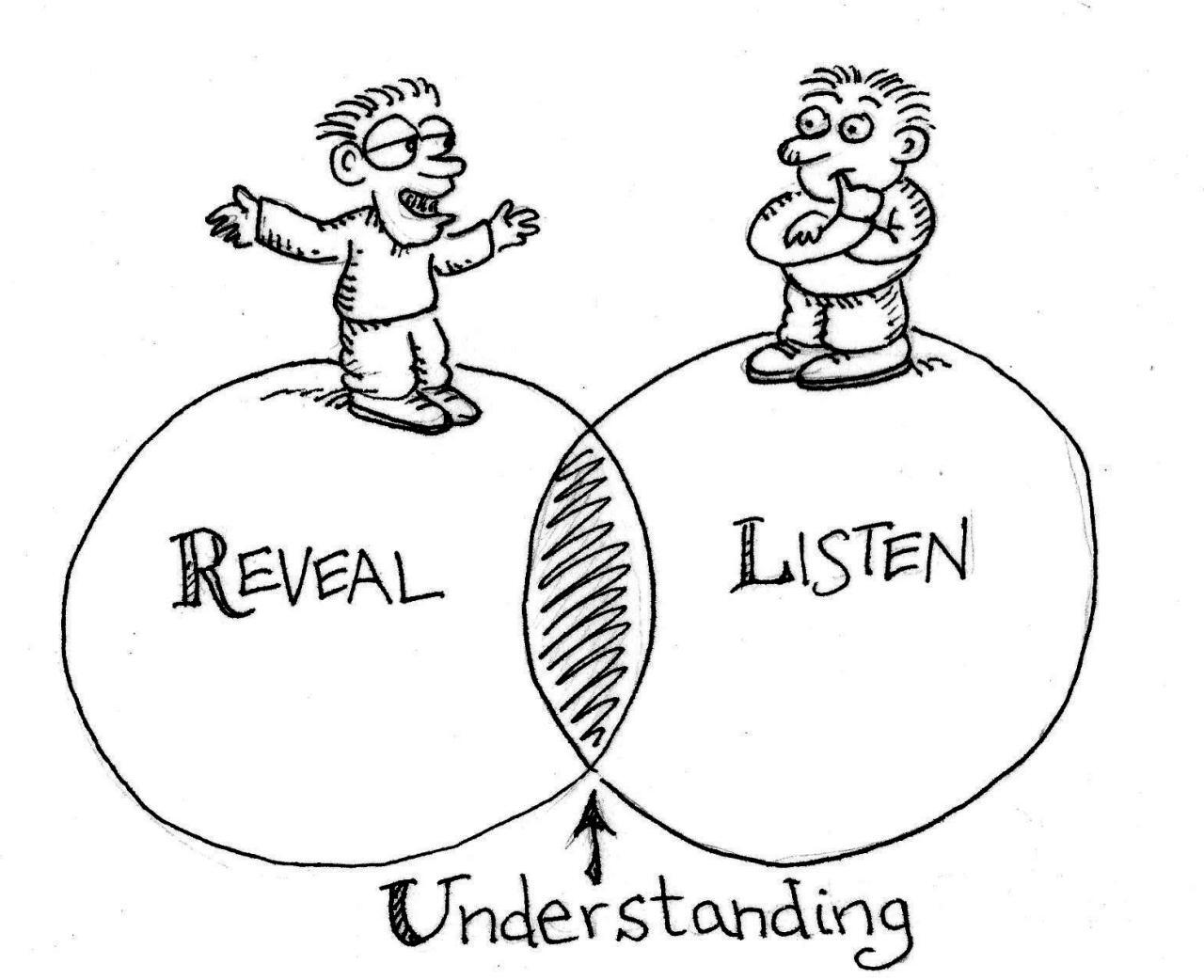
Choosing between traditional publishing and self-publishing is a significant decision for any author. Each route has its distinct advantages and challenges, making the decision process critical in alignment with the author’s personal goals and vision for their work. Understanding the factors involved can empower authors to make informed choices that best suit their individual circumstances.When evaluating whether to pursue traditional or self-publishing, several factors warrant consideration.
These factors encompass an author’s readiness for industry norms, financial implications, and personal artistic goals. Here, we explore these essential elements to aid authors in their decision-making journey.
Factors to Consider When Choosing Your Publishing Path
To navigate the complexities of publishing options, aspiring authors should reflect on various aspects that align with their publishing goals. Below is a checklist that can serve as a guiding framework for authors contemplating their publishing journey.
- Goals and Intentions: Determine whether your primary goal is widespread distribution, creative control, or a quicker route to publication.
- Financial Considerations: Assess your budget for publishing. Traditional publishing may require little to no upfront costs, while self-publishing often involves significant investment in editing, design, and marketing.
- Control Over Content: Evaluate how important it is for you to maintain creative control over your work. Self-publishing allows for complete autonomy.
- Time Frame: Consider your timeline for publication. Traditional routes can take months or years, while self-publishing offers a more immediate option.
- Marketing and Promotion: Reflect on your willingness to engage in marketing efforts. Traditional publishers often provide support, whereas self-published authors must drive this effort themselves.
As authors contemplate these factors, it may also be helpful to learn from the experiences of others who have navigated both publishing routes. Below are testimonials from authors who have shared their insights regarding their chosen paths.
Author Testimonials on Publishing Experiences
Many authors have valuable stories that illuminate the realities of traditional and self-publishing. Their experiences can provide perspective when making this important decision.
“I chose traditional publishing because I wanted the credibility and distribution that come with it. However, I quickly learned that my creative control was limited. I had to adjust my vision to align with the publisher’s market strategy.” – Emily R., Author of “Whispers of the Past”
“Self-publishing has been liberating for me. I was able to publish my book on my terms and reach my audience directly. It required a lot of hard work and investment, but seeing my book in readers’ hands made it worth it.” – John D., Author of “Unbound Dreams”
These insights illustrate the diverse experiences authors can have with each publishing method, reinforcing the importance of considering personal goals, market strategies, and individual preferences. With this foundational understanding, authors are better equipped to make the right choice for their unique publishing journey.
Resources for Authors

For authors navigating the complex landscape of publishing, access to reliable resources is crucial. Both traditional publishing and self-publishing offer a myriad of avenues, and understanding where to seek assistance can significantly impact an author’s journey. This section provides an array of resources, including books, websites, communities, workshops, and networking tips tailored to both publishing routes.
Books and Websites
Numerous books and websites offer valuable insights into both traditional and self-publishing processes. These resources can enhance an author’s understanding of the industry and equip them with strategies for success.
- Books:
- The Essential Guide to Getting Your Book Published by Arielle Eckstut and David Henry Sterry – A comprehensive guide covering both traditional and self-publishing pathways.
- Self-Publishing for Dummies by Jason R. Rich – A practical resource for authors choosing the self-publishing route.
- Publishing 101 by Elizabeth K. K. Hult – This book gives insights into the traditional publishing process.
- Websites:
- Publishing Perspectives
-Provides news, insights, and analysis on the global publishing industry. - Writer’s Digest
-Offers articles, webinars, and resources for writers of all levels. - Self-Publishing Advice
-A comprehensive hub for self-publishing resources, including blogs and expert tips.
- Publishing Perspectives
Workshops and Courses
Participating in workshops and courses can provide authors with hands-on experience and guidance, helping them make informed decisions about their publishing paths. These educational opportunities are widely available, both online and in-person.
- Workshops:
- Writing and Publishing Workshops
-Various local writer’s groups and community colleges often offer workshops that cover topics such as manuscript preparation and marketing strategies. - Online Courses on Platforms like Coursera or Udemy
-Authors can find courses on specific publishing topics, including self-publishing and book marketing.
- Writing and Publishing Workshops
- Webinars:
- Webinars by the Association of Authors’ Representatives
-These webinars often focus on the traditional publishing process and can be crucial for understanding agent roles. - Self-Publishing Webinars on YouTube
-Many self-published authors share their experiences and advice through free webinars and video tutorials.
- Webinars by the Association of Authors’ Representatives
Networking Tips
Creating a network of industry professionals can provide invaluable support and opportunities for authors. Building connections can lead to collaborations, mentorships, and greater visibility in the publishing world.
- Join Writing Groups: Engaging in local or online writing groups can foster relationships with fellow authors. These groups often share resources and advice, creating a supportive community.
- Attend Literary Festivals and Book Fairs: These events are excellent for networking with publishers, agents, and fellow writers. Authors should prepare to pitch their work and engage in discussions about the industry.
- Utilize Social Media: Platforms like Twitter and LinkedIn can be effective for connecting with publishing professionals. Authors can follow industry leaders and participate in relevant conversations to increase their visibility.
- Volunteer at Writing Conferences: Volunteering provides firsthand experience in the publishing industry and the opportunity to meet key players while contributing to the community.
Closure

In conclusion, the choice between traditional publishing and self-publishing ultimately depends on individual goals, resources, and personal preferences. By weighing the pros and cons presented, along with considering the insights shared throughout this overview, authors can embark on their publishing adventure with confidence. Remember, whether you choose the traditional route or take the self-publishing leap, your voice matters in the literary world, and there are countless resources available to help guide you along the way.