How to Self-Edit for Common Grammar Mistakes is an essential guide for writers seeking to enhance their clarity and precision. Understanding the nuances of grammar can profoundly affect the effectiveness of communication across various writing styles, including academic, creative, and business contexts. This exploration delves into the most frequent grammar errors, their consequences, and the significance of mastering these elements to foster better understanding and engagement with readers.
In this discussion, we will uncover practical techniques for self-editing that focus on grammar, highlight the importance of reading aloud, and offer strategies to maintain focus. Additionally, we will identify key grammar areas to concentrate on, explore valuable tools and resources, and provide insights into developing a consistent editing routine. Through examples and case studies, you will see how effective self-editing can transform your writing.
Understanding Common Grammar Mistakes

The ability to communicate effectively often depends on mastering the nuances of grammar. Common grammar mistakes can undermine clarity and professionalism in writing. Identifying these errors is the first step toward enhancing one’s writing capabilities, fostering better understanding among readers and writers alike.In written communication, grammar mistakes can significantly alter the intended message. Misplaced commas, incorrect verb tenses, and improper subject-verb agreement can create confusion and misinterpretation.
In a professional setting, such errors can detract from credibility and authority. Therefore, recognizing and rectifying these mistakes is essential for effective communication across various writing styles.
Frequent Grammar Errors
Several common grammatical errors frequently appear in writing, and understanding them is crucial for improvement. The following list highlights a few of the most prevalent mistakes along with brief explanations of their implications:
- Subject-Verb Agreement: Ensuring that subjects and verbs match in number is fundamental to clear communication. For example, “The group of students are” should be corrected to “The group of students is.”
- Comma Splices: These occur when two independent clauses are joined with just a comma, which can confuse readers. For instance, “It is raining, I will stay indoors” should be revised with a conjunction or a period.
- Misplaced Modifiers: This error happens when adjectives or adverbs are placed too far from the words they modify, leading to ambiguity. The phrase “I saw the man with the telescope” could imply the man possesses a telescope instead of the speaker using one.
- Incorrect Pronoun Usage: Using the wrong pronoun can lead to unclear reference points. For instance, “Everyone should do their best” is often debated; a more formal approach would be “Everyone should do his or her best.”
- Run-On Sentences: These sentences join multiple independent clauses without proper punctuation or conjunctions, making them difficult to read. An example of a run-on sentence is “I love to write I find it very fulfilling.”
The implications of these errors extend beyond mere aesthetics. They can shape perceptions of professionalism, intelligence, and attention to detail. It is crucial to approach grammar with the seriousness it deserves, as it serves as the foundation for effective communication in academic, creative, and business writing.
Importance of Grammar in Different Writing Styles
Grammar plays a pivotal role in various writing styles, each with its own conventions and expectations. Understanding how grammar functions within these contexts can enhance the effectiveness of the communication.In academic writing, precise grammar is critical as it reflects the writer’s credibility and authority. For instance, proper citation formats and adherence to stylistic guidelines are paramount for producing scholarly work.
Poor grammar can undermine arguments and distract from key points.In creative writing, grammar can be manipulated for stylistic effect, yet foundational rules should not be disregarded. Authors often use sentence fragments or unconventional punctuation to create rhythm or emotional impact. However, maintaining a grasp of basic grammar rules allows for clearer storytelling.In business writing, clarity and professionalism are essential. Grammatical accuracy conveys respect for the audience and ensures that messages are understood as intended.
For example, a well-structured email can foster positive relations, while one laden with errors may convey carelessness.Overall, the mastery of grammar is indispensable across all forms of writing, each benefiting from a strong command of language to enhance clarity and effectiveness.
Techniques for Self-Editing
Effective self-editing plays a crucial role in enhancing the clarity and accuracy of writing, particularly in grammar. By employing specific techniques, writers can refine their work, ensuring that common grammatical errors do not detract from the overall quality of their content. The following methods Artikel how to approach self-editing with a keen focus on grammar.
Reading Aloud
Reading aloud is a powerful technique that can significantly improve the self-editing process. This method allows writers to hear the flow of their writing, making it easier to identify awkward phrasing, sentence fragments, and grammatical errors that might go unnoticed in silent reading. When reading aloud, focus on the following aspects:
- Pacing: Take your time to articulate each word clearly, which helps to identify misplaced commas or run-on sentences.
- Intonation: Vary your tone to highlight areas that may require stronger expression, revealing grammatical inconsistencies.
- Breaks: Pause at natural breaks to assess sentence structure, ensuring that each idea is clearly conveyed.
“Hearing your words can illuminate errors that are invisible on the page.”
Taking Breaks for Improved Focus
Incorporating breaks into the self-editing process is essential for maintaining focus and enhancing the quality of the final piece. Continuous editing can lead to fatigue and decreased attention to detail. By taking strategic breaks, writers can return to their work with a refreshed perspective.Consider these strategies for effective breaks:
- Timed Intervals: Use techniques like the Pomodoro Technique, which suggests working for 25 minutes followed by a 5-minute break to recharge mental energy.
- Physical Activity: Engage in light exercises or stretching during breaks to stimulate circulation and boost concentration.
- Mental Reset: Use breaks for mindfulness or brief meditation to clear the mind and improve focus upon returning to the text.
By implementing these techniques during the self-editing process, writers can enhance their grammatical accuracy and overall writing quality, leading to a polished and effective final product.
Common Grammar Areas to Focus On
Understanding and addressing common grammar areas is crucial for enhancing the clarity and professionalism of your writing. By focusing on specific topics, you can significantly reduce errors that may distract readers and undermine your message.To ensure your writing is grammatically correct, it’s important to review certain grammar topics. The following list highlights key areas to concentrate on during your self-editing process:
Specific Grammar Topics to Review
Identifying and correcting specific grammar mistakes can greatly enhance the quality of your writing. The following topics are fundamental to effective communication:
- Subject-Verb Agreement: Verbs must agree in number with their subjects. For example, “The group of students is excited” (singular) versus “The students are excited” (plural).
- Punctuation: Proper use of commas, periods, semicolons, and other punctuation marks is vital for clarity. Misplaced punctuation can alter the meaning of a sentence.
- Pronoun-Antecedent Agreement: Ensure that pronouns agree in number and gender with the nouns they replace. For instance, “Everyone should take care of their own belongings,” is preferable to “Everyone should take care of his or her own belongings,” for inclusivity.
- Sentence Fragments: A complete sentence must have at least one independent clause. For example, “Although he was tired” is a fragment, while “Although he was tired, he finished the race” is complete.
- Run-On Sentences: These occur when two or more independent clauses are improperly joined. For instance, “I love to write it is my passion” should be corrected to “I love to write; it is my passion.”
Checking Sentence Structure and Clarity
Ensuring that sentences are structured correctly and clearly is essential for effective writing. Follow these procedures to evaluate sentence clarity:
1. Identify the Main Idea
Each sentence should convey a clear and singular idea. Remove any extraneous information that may confuse the reader.
2. Break Long Sentences
Long sentences can lead to confusion. Aim for brevity by breaking complex ideas into shorter, more digestible sentences.
3. Use Active Voice
Where possible, employ active voice to create more dynamic and engaging sentences. For example, “The team completed the project” is more direct than “The project was completed by the team.”
4. Read Aloud
Hearing the sentences can reveal awkward phrasing and help pinpoint areas needing improvement.
Clarity is the cornerstone of effective communication; strive for simplicity and precision in your writing.
Maintaining Consistent Verb Tenses
Consistency in verb tense is crucial for maintaining clarity and coherence throughout your writing. Here are tips to ensure verb tense remains uniform:
1. Choose a Primary Tense
Determine whether you will write primarily in the past, present, or future tense and stick to that choice throughout your piece.
2. Identify Shifts
As you edit, look for any shifts in tense that may confuse readers. For instance, switching from past to present within the same context should be avoided unless there is a compelling reason.
3. Use Timeline Techniques
When discussing events that occur at different times, clearly establish the timeline to avoid confusion. For example, “Last year, I traveled to Paris. This year, I plan to visit London.”
4. Proofread Multiple Times
Review your writing focusing solely on verb tenses in one round, ensuring that all verbs align with your chosen tense.
Maintaining consistent verb tense throughout a piece enhances readability and allows for smoother transitions between ideas.
Tools and Resources for Self-Editing
Self-editing is an essential skill for anyone who writes, whether for personal or professional purposes. Utilizing the right tools and resources can significantly enhance the quality of your writing by helping you identify and correct common grammar mistakes. In this section, we will explore various tools available for grammar checking, weigh the pros and cons of software versus manual editing, and recommend some reliable grammar reference books that can support your self-editing journey.
Comparison of Popular Grammar Checking Tools
There are numerous grammar checking tools available online, each with its unique features and strengths. Below is a comparison of some of the most popular options:
- Grammarly: This widely-used tool offers real-time grammar checks, style suggestions, and plagiarism detection. It is user-friendly and integrates easily with various writing platforms.
- ProWritingAid: Offers comprehensive grammar and style checking, along with in-depth reports on writing strengths and weaknesses. It is particularly useful for long-form content.
- Hemingway Editor: Focuses on improving writing clarity and readability. It highlights complex sentences and suggests alternatives to enhance overall simplicity.
- Ginger: Provides grammar and spell checks, as well as sentence rephrasing tools. It is particularly beneficial for non-native English speakers.
- Microsoft Word Editor: Built into Microsoft Word, this tool checks for grammar and style issues, making it convenient for users who are already familiar with the software.
Each of these tools has its strengths; however, the choice largely depends on individual writing needs and preferences.
Advantages and Disadvantages of Software versus Manual Editing
Both software tools and manual editing have their respective advantages and disadvantages, making it essential to understand how they can complement each other.
- Advantages of Software:
- Efficiency: Software can quickly highlight errors, saving time compared to manual checking.
- Consistency: Automated tools provide a uniform approach to grammar and style checking.
- Accessibility: Many tools are available online, making them easy to access from various devices.
- Disadvantages of Software:
- Limitations: Some tools may miss nuanced errors or context-specific mistakes that a human editor would catch.
- Over-reliance: Writers may become overly dependent on tools, neglecting to develop their editing skills.
- Advantages of Manual Editing:
- Understanding Context: A human editor can fully grasp the context and subtleties of the writing.
- Personal Touch: Manual editing allows for personalization and tailored feedback that software cannot replicate.
- Disadvantages of Manual Editing:
- Time-Consuming: Manual editing can take significantly longer, especially for lengthy documents.
- Subjectivity: Individual biases may influence the editing process, potentially leading to inconsistent results.
Balancing both approaches often yields the best results, allowing for thorough and nuanced editing.
Recommendations for Grammar Reference Books
Grammar reference books can serve as invaluable resources for writers looking to strengthen their understanding of grammar rules and enhance their self-editing capabilities. Below are some recommended titles:
- The Elements of Style by William Strunk Jr. and E.B. White: This classic guide emphasizes clarity, simplicity, and the importance of strong writing principles.
- On Writing Well by William Zinsser: Although it focuses on nonfiction writing, Zinsser provides practical advice on clarity and style that applies broadly to all writing.
- A Writer’s Reference by Diana Hacker: This comprehensive resource covers grammar rules, style guidelines, and citation formats, making it a must-have for any writer.
- The Blue Book of Grammar and Punctuation by Jane Straus: A straightforward guide that addresses common grammar pitfalls and provides clear rules for punctuation and usage.
- Grammar Girl’s Quick and Dirty Tips for Better Writing by Mignon Fogarty: This approachable book offers practical tips on grammar and style, making it accessible to writers of all levels.
Investing in these reference materials can provide the foundation needed for effective self-editing and improved writing quality.
Developing an Effective Editing Routine
Establishing a well-defined editing routine is essential for writers aiming to refine their work and eliminate common grammar mistakes. A systematic approach to self-editing can not only enhance the quality of the writing but also boost the writer’s confidence in their abilities. By implementing a structured routine, writers can methodically review and improve their drafts, ensuring clarity and coherence.Creating a personalized editing schedule involves considering one’s unique writing habits, deadlines, and the complexity of the material being edited.
An effective schedule should allocate specific time blocks for various editing tasks, allowing for thorough reviews without overwhelming the writer. Below is a step-by-step self-editing checklist designed to guide writers through the editing process.
Self-Editing Checklist
A checklist serves as a vital tool in the editing process, ensuring that writers address all necessary aspects of their work. The following steps Artikel key areas that should be evaluated during self-editing:
- Content Review: Assess the overall message and purpose of the writing. Ensure that the content aligns with the intended audience and effectively conveys the main ideas.
- Structure and Organization: Examine the flow of the document. Ensure that paragraphs and sections are logically ordered and connected with appropriate transitions.
- Grammar and Syntax: Systematically go through the text to identify and correct grammar errors, punctuation mistakes, and awkward sentence constructions.
- Word Choice: Evaluate vocabulary usage. Look for instances of repetition or jargon that may hinder understanding, and consider replacing them with more precise or varied language.
- Formatting Consistency: Check for adherence to any specified formatting guidelines, such as font size, margins, and citation styles. Consistency in formatting contributes to the professionalism of the document.
- Final Proofreading: Conduct a final read-through to catch any overlooked errors or typographical mistakes. Reading aloud can be particularly effective in identifying issues that may not be apparent when reading silently.
Identifying an appropriate time to seek external feedback is crucial after self-editing. Writers should consider obtaining feedback when:
Seeking External Feedback
Writers often benefit from the perspectives of others, especially when they have become too close to their own work. Here are factors to keep in mind when deciding to seek feedback:
- After Completing Major Revisions: Once significant changes have been made based on self-editing efforts, external feedback can provide valuable insights on the effectiveness of those revisions.
- When Stuck on Specific Issues: If a writer finds themselves consistently struggling with particular sections or concepts, external input can help clarify confusion and offer fresh viewpoints.
- Prior to Final Submission: Before submitting a piece for publication or grading, it is advisable to get feedback to ensure readiness and to catch any remaining errors.
“Feedback is the breakfast of champions.” – Ken Blanchard
Incorporating a structured editing routine and knowing when to seek external feedback can significantly enhance the quality of writing. By following a checklist and establishing a personalized editing schedule, writers can effectively refine their work, ensuring clarity, coherence, and grammatical accuracy.
Practicing Grammar Skills
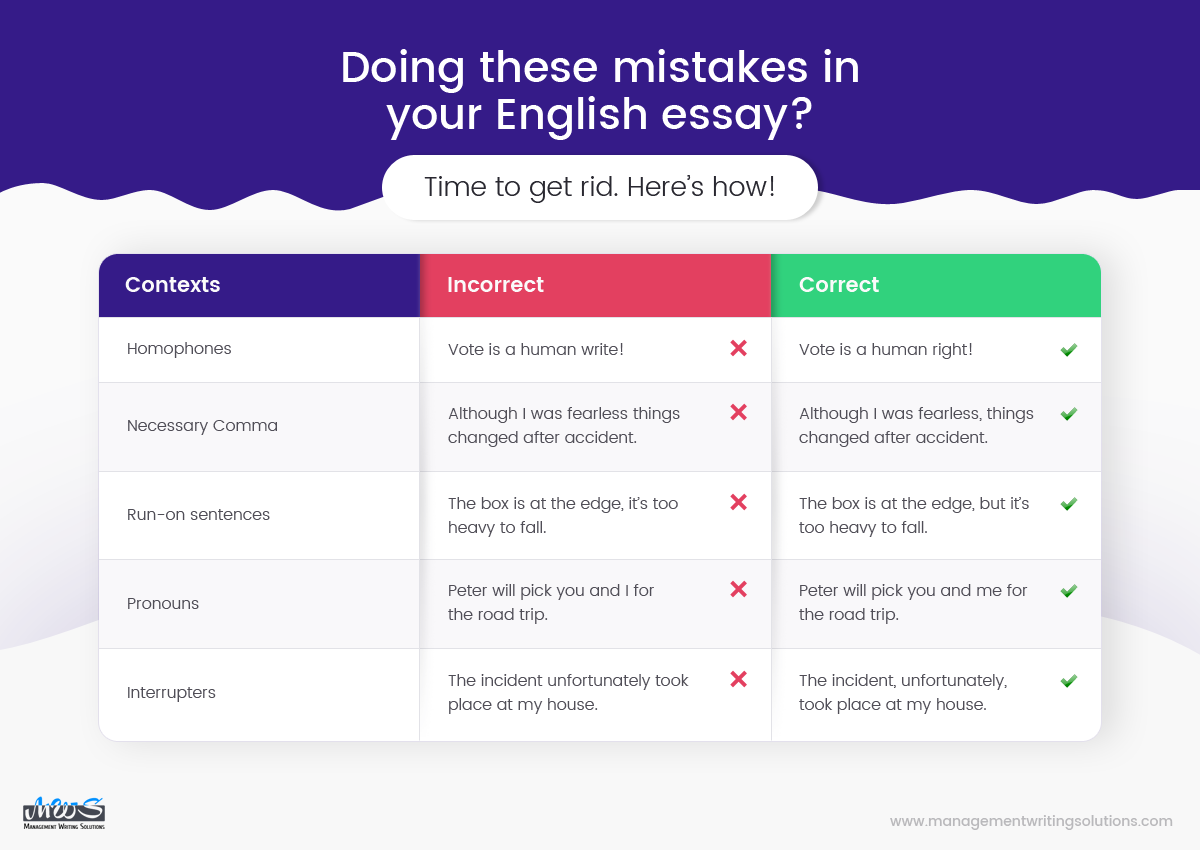
Practicing grammar skills is essential for improving writing proficiency. Engaging in daily exercises can significantly enhance one’s understanding and application of grammatical rules. This section will Artikel effective exercises, explain the construction of complex sentences, and organize methods for peer reviewing that can help identify common mistakes in writing.
Exercises to Enhance Grammar Skills
Incorporating grammar exercises into daily writing routines is vital for reinforcement and mastery. The following activities can be easily integrated into everyday practice:
- Sentence Combining: Take simple sentences and combine them using conjunctions or relative clauses to create more complex sentences. This exercise promotes an understanding of sentence structure.
- Grammar Journals: Maintain a journal focused on specific grammar rules. Write entries that highlight these rules in use, allowing for reflection on their application in various contexts.
- Editing Exercises: Regularly edit short paragraphs or excerpts from published works. Identifying and correcting grammar mistakes in others’ writing sharpens one’s own skills.
- Grammar Quizzes: Engage with online quizzes or grammar workbooks to test knowledge on different topics. This method also provides immediate feedback for improvement.
Creating Complex Sentences
Understanding how to create sentences that intentionally use complex grammar rules is crucial for advanced writing. This involves employing various grammatical structures such as subordinate clauses and advanced punctuation. When constructing complex sentences, consider the following techniques:
- Use
dependent clauses
to create relationships between ideas. For example, “Although the rain was heavy, they decided to continue their journey.”
- Incorporate
parenthetical phrases
to provide additional information without disrupting sentence flow, such as “The project, which had taken months to complete, was finally unveiled.”
- Experiment with
different sentence beginnings
to emphasize various parts of the sentence, e.g., “Desperate for answers, she searched through the archives.”
Methods for Peer Reviewing
Peer reviewing is an effective way to enhance grammar skills by providing feedback on others’ writing. This process not only aids the writer but also heightens the reviewer’s awareness of common grammatical errors. Implement the following methods during peer review sessions:
- Checklist Method: Create a checklist of common grammar mistakes to look for during reviews. This includes subject-verb agreement, tense consistency, and punctuation errors.
- Group Discussions: Conduct group review sessions where peers can discuss identified errors and collaboratively suggest improvements. This fosters a supportive learning environment.
- Highlighting Errors: Use highlighting techniques to mark grammatical errors within the text. This visual aid helps writers see their mistakes clearly and encourages them to take corrective action.
- Feedback Notes: Provide written feedback alongside the text, explaining the nature of the errors and offering suggestions for improvement. This detailed feedback reinforces learning.
Case Studies of Self-Editing Success

Self-editing is a crucial skill for any writer, as it allows individuals to refine their work, enhance clarity, and correct common grammar mistakes. Many successful authors have harnessed the power of self-editing to elevate their writing and connect more effectively with their audiences. In this section, we will explore notable case studies of authors who improved their writing through self-editing, highlighting specific grammar mistakes in their work and how these were effectively corrected.
Examples of Successful Self-Editing
Several renowned authors have demonstrated the effectiveness of self-editing in their writing processes. Their experiences illustrate how a meticulous approach to editing can lead to significant improvements in readability and engagement. Here are a few notable examples:
- Ernest Hemingway: Hemingway was known for his concise writing style. Through self-editing, he mastered the art of simple, direct prose. In his early drafts, he often used complex sentence structures that could confuse readers. By revising these passages, he learned to strip away unnecessary words, resulting in powerful sentences. For instance, a lengthy description in “The Sun Also Rises” was transformed into succinct, impactful statements that conveyed the same emotions more effectively.
- Jane Austen: Austen’s novels underwent several rounds of self-editing before publication. In her work “Pride and Prejudice,” she initially struggled with comma placement and dialogue formatting. Through careful revision, she corrected misplaced punctuation and ensured her characters’ dialogues flowed naturally, making her text more accessible and engaging for readers.
- Stephen King: King emphasizes the importance of self-editing in his book “On Writing.” He advocates for revising drafts to eliminate adverbs and unnecessary adjectives. For example, in his novel “The Shining,” initial drafts contained numerous descriptors that weighed down the narrative. Through self-editing, King focused on strong verbs and precise language, enhancing the suspense and clarity of his writing.
Before-and-After Scenarios
Examining before-and-after scenarios can provide insight into the tangible benefits of self-editing. Each instance highlights the specific grammar mistakes and the corrections made that improved the overall quality of the writing.
“The difference between a good writer and a great writer is in the rewriting.”
- Before: “He didn’t hardly have no time to do the report, which was due last week.”
After: “He hardly had any time to complete the report, which was due last week.”
This correction addressed the double negative and improved clarity. - Before: “The committee have decided to postpone the meeting.”
After: “The committee has decided to postpone the meeting.”
This change corrected the subject-verb agreement, enhancing grammatical accuracy. - Before: “Their going to the event next week, and they’re excited about it.”
After: “They’re going to the event next week, and they’re excited about it.”
This revision corrected the misuse of “their” for “they’re,” clarifying the sentence structure.
Final Summary
In conclusion, mastering the art of self-editing is a vital skill for any writer striving to present their ideas clearly and correctly. By understanding common grammar mistakes, utilizing effective editing techniques, and practicing regularly, you can significantly improve the quality of your writing. Remember, refining your grammar skills not only enhances your work but also fosters greater communication and connection with your audience.