How to Manage Your Time as a Part-Time Author addresses the vital need for effective time management among those who juggle writing with other professional and personal commitments. Many aspiring authors face significant challenges when trying to carve out dedicated writing time amidst their busy lives, often leading to frustration and diminished productivity. By mastering time management, part-time authors can enhance their writing efficiency, overcome obstacles, and ultimately achieve their literary ambitions.
Understanding the intricacies of scheduling, utilizing tools, and maintaining boundaries is essential for anyone looking to thrive in the literary world while balancing various responsibilities. This guide will provide practical strategies and valuable insights to help you optimize your writing process and accomplish your goals.
Understanding Time Management

Effective time management is a crucial skill for part-time authors who juggle their writing responsibilities with other professional and personal commitments. The ability to allocate time wisely not only enhances productivity but also ensures that the creative process remains enjoyable and fulfilling. With the right approach, authors can craft their narratives while maintaining a balanced lifestyle.Part-time authors often face unique challenges in managing their time effectively.
Balancing a full-time job, family responsibilities, and other obligations can lead to feelings of overwhelm and burnout. Additionally, the unpredictability of inspiration and creativity can disrupt even the most well-planned schedules. Understanding these challenges is essential for developing strategies that promote efficient time management, ensuring that writing remains a priority amidst life’s demands.
Common Time Management Challenges
Part-time authors encounter various obstacles that hinder their time management efforts. Recognizing these challenges is the first step towards overcoming them. Some of the most frequently experienced issues include:
- Inconsistent Writing Schedule: The irregularity of available writing time can disrupt the authors’ flow and continuity.
- Distractions: External factors, such as family obligations or social media notifications, can divert focus away from writing tasks.
- Lack of Motivation: It can be difficult to muster the necessary motivation to write after a long day of other commitments.
- Procrastination: The tendency to delay writing tasks can result in diminishing productivity and increased stress.
- Overcommitting: Taking on too many projects or responsibilities can lead to burnout, making it harder to dedicate time to writing.
Benefits of Effective Time Management for Writing Productivity
Adopting effective time management strategies can yield numerous benefits for part-time authors. By implementing these techniques, authors can experience a noticeable increase in their writing productivity and overall satisfaction.
- Enhanced Focus: By scheduling dedicated writing blocks, authors can minimize distractions and maintain a heightened level of concentration.
- Increased Output: A structured approach to time management allows authors to produce more content in a shorter amount of time.
- Improved Creativity: Having a routine can help stimulate creativity, as the brain begins to associate specific times with writing.
- Reduced Stress: Knowing when to write and having set goals can alleviate anxiety surrounding deadlines and unfinished projects.
- Better Work-Life Balance: Effective time management helps authors carve out time for personal activities, ensuring that writing does not overwhelm other life aspects.
“Effective time management is not about doing more, but about doing what matters most.”
Creating a Writing Schedule
Establishing a writing schedule is essential for part-time authors, as it helps to balance the demands of work, personal life, and writing projects. A well-structured schedule not only allocates dedicated time for writing but also promotes consistency, discipline, and the achievement of writing goals. By creating a personalized writing schedule, authors can improve their productivity and make steady progress on their literary endeavors.A writing schedule should be flexible enough to accommodate varying commitments while being structured to foster a productive writing habit.
To achieve this balance, authors may consider the following strategies.
Designing a Weekly Writing Schedule
Creating a weekly writing schedule involves assessing personal and professional commitments before designating specific writing times. This ensures that writing is prioritized alongside other responsibilities. Here are the steps to develop an effective writing schedule:
1. Identify Available Time Slots
Review your weekly commitments, including work hours, family obligations, and social activities.
Look for consistent blocks of time, even if they are short, such as early mornings, evenings, or weekends.
2. Set Specific Writing Days and Times
Dedicate particular days for writing, ensuring that these slots are non-negotiable.
For example, you might choose to write every Monday and Wednesday from 7 PM to 9 PM, and Sunday afternoons.
3. Include Breaks and Downtime
Ensure that your schedule includes regular breaks to prevent burnout.
Taking short breaks during writing sessions can boost creativity and maintain focus.
Prioritizing Writing Tasks Within the Schedule
To maximize the effectiveness of a writing schedule, it’s crucial to prioritize tasks. This method helps align daily writing activities with overall writing goals. Consider the following tips:
Use a Task List
Create a list of writing tasks that need to be accomplished each week.
Categorize them by urgency and importance, ensuring that critical tasks are completed first.
Set Deadlines
Assign specific deadlines for each writing task, which can motivate you to complete tasks in a timely manner.
For instance, aim to finish a chapter by the end of the week or complete a specific word count each day.
Be Flexible and Adjust as Needed
Life can be unpredictable; be ready to adjust your schedule to accommodate unavoidable changes.
Evaluate your progress weekly and modify your writing goals if necessary to stay on track.
Setting Realistic Writing Goals and Deadlines
Establishing achievable writing goals and deadlines is fundamental for maintaining momentum and motivation. Unrealistic expectations can lead to frustration and decreased productivity. To set practical goals, consider the following:
Define Clear Objectives
Instead of a vague goal like “write more,” set specific, measurable objectives, such as “write 500 words per day” or “complete two chapters by the end of the month.”
Break Down Larger Projects
For larger writing projects, divide them into smaller, manageable tasks.
For example, Artikel a book chapter, write a first draft, and then revise it, assigning deadlines for each segment.
Utilize SMART Criteria
Ensure that your writing goals are Specific, Measurable, Achievable, Relevant, and Time-bound.
For instance, a SMART goal could be
“I will write 2,000 words of my novel by Friday, focusing on character development and plot progression.”By thoughtfully constructing a writing schedule, prioritizing tasks, and setting realistic goals, part-time authors can effectively manage their time, leading to successful writing outcomes.
Utilizing Time Management Tools
Effective time management is crucial for part-time authors who are balancing their writing ambitions with other responsibilities. Utilizing the right tools can streamline the writing process, enhance productivity, and ensure that authors make the most of their limited writing time. By exploring various time management tools, both digital and traditional, part-time authors can find methods that suit their unique preferences and working styles.
Time Management Tools and Apps
There is a broad array of tools designed to assist in time management, each offering distinct features that cater to different needs. These tools can help authors organize their writing tasks, track their time, and maintain focus. Below is a list of popular time management tools and apps that can be particularly beneficial for part-time authors:
- Trello: A visual project management tool that allows authors to create boards for different writing projects, set deadlines, and organize tasks into manageable lists.
- Todoist: An intuitive task management app that allows users to create to-do lists, set priorities, and track progress, ensuring that writing goals are met efficiently.
- RescueTime: A time-tracking app that monitors how much time is spent on various activities, providing insights that help authors identify time wasters and optimize their writing schedules.
- Focus@Will: An app that provides background music scientifically designed to enhance focus and concentration, creating an ideal ambiance for writing sessions.
- Google Calendar: An essential tool for scheduling writing sessions and deadlines, enabling authors to visualize their time commitments and allocate sufficient time for writing activities.
Comparison of Digital Versus Traditional Time Management Tools
When selecting time management tools, part-time authors often weigh the benefits of digital tools against traditional methods, such as planners and physical calendars. Each approach has its advantages, which can impact an author’s efficiency.Digital tools typically offer features like reminders, automatic syncing across devices, and real-time collaboration with other authors or editors. They may also provide analytics to help authors assess their productivity patterns.
On the other hand, traditional tools can enhance memory retention and reduce distractions, as they do not rely on screens or internet access. A study published in the Journal of Educational Psychology found that individuals who used handwritten notes tended to remember information better than those who typed. Therefore, the choice between digital and traditional may depend on personal preference, with some authors benefiting from a hybrid approach that combines both methods for optimal efficiency.
Time-Blocking Technique for Writing Sessions
The time-blocking technique is a highly effective strategy for organizing writing sessions, particularly for part-time authors who need to maximize their limited writing hours. This method involves dividing the day into blocks of time dedicated to specific tasks, ensuring that writing is prioritized and distractions are minimized.To implement time-blocking, authors can follow these steps:
1. Identify Writing Goals
Determine specific writing objectives for the week or month, such as completing a chapter or editing a manuscript.
2. Allocate Time Blocks
Designate specific time blocks in the calendar for writing. For example, set aside two hours each evening or weekends for focused writing sessions.
3. Minimize Distractions
During each time block, eliminate distractions by turning off notifications, closing unnecessary tabs, and creating a quiet writing environment.
4. Stay Flexible
Allow for adjustments as needed, recognizing that unexpected events may arise. The key is to maintain regular writing habits even if some blocks need to be rescheduled.By adopting the time-blocking technique, part-time authors can create a structured environment that fosters creativity and productivity while allowing them to navigate other commitments successfully.
Setting Boundaries
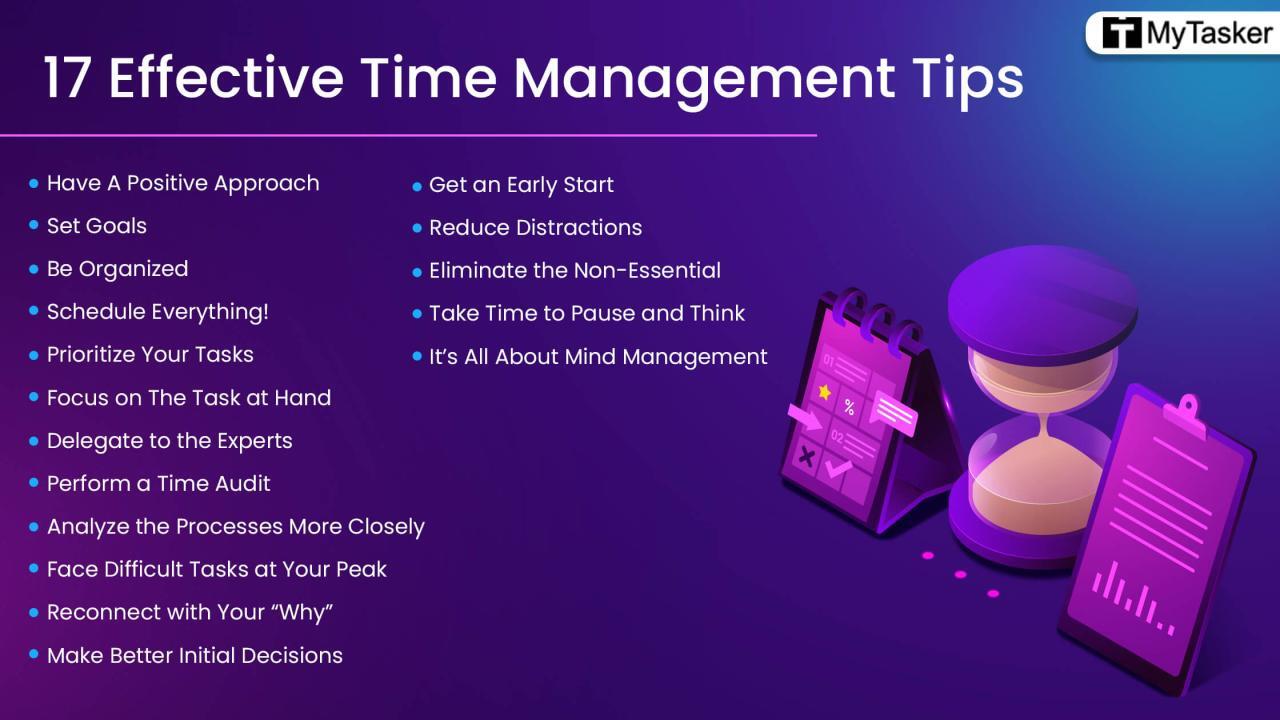
Establishing clear boundaries is essential for any part-time author striving to protect their writing time. In a world filled with distractions and demands from family and friends, having defined limits helps maintain focus, productivity, and the overall writing experience. By setting boundaries, authors can create a conducive environment for creativity while ensuring they do not compromise their personal relationships.Communicating writing schedules effectively to family and friends is crucial to facilitate understanding and cooperation.
It is important to express the significance of writing time and how it contributes to personal fulfillment and professional goals. Authors can consider the following strategies to communicate their writing schedules:
Communicating Writing Schedules
Clearly articulating writing commitments can prevent misunderstandings and interruptions. Here are some effective ways to convey your writing schedule:
- Share Your Schedule: Provide a visual representation of your writing times, such as a calendar or planner. This allows family and friends to see your availability at a glance.
- Discuss Your Goals: Explain the importance of your writing projects and how dedicated time is necessary for achieving success. When others understand your objectives, they are more likely to respect your time.
- Set Specific Times: Designate specific hours during which you will be unavailable for social interactions. Clearly state these time blocks and inform others in advance.
Saying no to distractions and time-wasting activities is another vital aspect of setting boundaries. It is essential to recognize that not every request requires a positive response, especially when it comes to preserving valuable writing time. Here are some strategies to help manage distractions:
Managing Distractions
Understanding when and how to say no can significantly impact an author’s productivity. Consider the following techniques to help mitigate distractions:
- Prioritize Tasks: Identify what is most important on your agenda and focus on those priorities. Politely declining less urgent requests can free up time for writing.
- Use Technology Wisely: Leverage tools like ‘Do Not Disturb’ modes on phones and computers, allowing you to concentrate without interruptions from notifications or calls.
- Emphasize Your Commitment: When declining invitations or requests, reaffirm your dedication to writing. Phrasing such as “I appreciate the invite, but I need this time for my writing” can reinforce respect for your boundaries.
Establishing boundaries is not just a personal necessity; it is a vital component of maintaining relationships while pursuing your passion.
Balancing Writing with Other Responsibilities
Integrating writing into a busy lifestyle requires strategic planning and a proactive approach. Many part-time authors juggle multiple responsibilities, making it essential to find a balance that allows for creativity without compromising other obligations. Understanding how to harmonize writing with various life demands is key for sustaining both productivity and personal satisfaction.
Maximizing productivity while writing amidst other responsibilities can be achieved through several effective techniques. By adopting a flexible mindset and utilizing time efficiently, authors can incorporate writing into their daily routines, thereby enhancing both their creative output and their ability to manage competing priorities.
Integrating Writing into a Busy Schedule
Finding time to write when faced with other obligations involves strategic scheduling and prioritization. Consider the following approaches to seamlessly incorporate writing into everyday life:
- Identify Optimal Writing Times: Recognize when you are most productive and schedule your writing sessions during these periods. Early mornings, lunch breaks, or late evenings can serve as ideal writing windows.
- Set Micro-Goals: Break down larger writing projects into smaller, manageable tasks. Establish specific, achievable goals for each writing session, such as completing a page or a specific word count.
- Combine Writing with Daily Routines: Utilize activities such as commuting or household chores to brainstorm ideas. Consider voice recording your thoughts or jotting down notes, allowing you to transform mundane tasks into productive writing time.
- Utilize Technology: Leverage writing apps and software that can be accessed from multiple devices. This allows for jotting down ideas or drafting content whenever inspiration strikes, regardless of your location.
Maximizing Productivity in Short Writing Bursts
Short writing bursts can be particularly effective for part-time authors aiming to maintain productivity without long writing sessions. Implementing the following strategies can enhance writing efficiency during these condensed periods:
- Utilize the Pomodoro Technique: This time management method involves writing intensely for 25 minutes followed by a 5-minute break. This approach helps maintain focus and avoid burnout.
- Prepare a Writing Environment: Create a dedicated space for writing that is free from distractions. A conducive environment can significantly enhance concentration and efficiency.
- Prioritize Quality over Quantity: Focus on crafting meaningful content during short bursts rather than aiming for a specific word count. This can lead to more impactful writing outcomes.
- Limit Distractions: Turn off notifications on devices and limit social media access during writing sessions. This enables deeper focus and quicker completion of writing tasks.
Maintaining Motivation Amidst Competing Priorities
Sustaining motivation as a part-time author can be challenging when faced with multiple responsibilities. The following techniques can help keep the creative spark alive:
- Establish a Routine: Consistency is crucial. Develop a writing routine that aligns with your lifestyle and stick to it, even when motivation wanes.
- Engage with a Writing Community: Interacting with fellow writers can provide encouragement, inspiration, and accountability. Consider joining local or online writing groups.
- Celebrate Small Achievements: Acknowledge and reward yourself for reaching milestones in your writing journey, no matter how minor. This will help cultivate a positive mindset.
- Reflect on Your Purpose: Regularly revisit the reasons why you write. Connecting with your passion can rekindle motivation during challenging times.
Evaluating and Adjusting Your Approach
In the journey of a part-time author, the effectiveness of time management and writing productivity must be evaluated regularly. This ongoing assessment enables writers to identify areas for improvement and adapt their strategies to meet evolving needs. By dedicating time to reflect on one’s progress, authors can refine their approach, ensuring they remain aligned with their goals.The process of evaluating writing productivity encompasses several key components.
Regular check-ins allow authors to assess their accomplishments against set objectives, facilitating an understanding of what strategies yield the best results. It is also crucial to recognize when certain techniques may no longer serve the intended purpose, thereby necessitating adjustments.
Strategies for Adjusting Schedules
Adjusting schedules in response to changing commitments or evolving goals is essential for maintaining productivity. These strategies focus on flexibility and responsiveness to personal and external factors that influence a writer’s routine.To effectively realign your schedule, consider the following approaches:
- Conduct periodic reviews of your schedule, ideally on a weekly or monthly basis, to assess how well your current writing time accommodates your other responsibilities.
- Prioritize tasks based on urgency and importance, ensuring that writing goals remain prominent despite other commitments.
- Incorporate buffer time into your schedule to manage unexpected events or shifts in responsibilities, allowing for a more adaptable writing routine.
- Set specific, achievable short-term goals that align with your long-term objectives, ensuring that progress is measurable and motivating.
Identifying and Eliminating Time-Wasting Habits
Recognizing and removing time-wasting habits is critical for enhancing writing efficiency. A focused approach helps part-time authors to maximize their productivity and make the most of their limited writing time.To identify and mitigate these habits, implement the following techniques:
- Track your daily activities for a week to pinpoint distractions or non-essential tasks that consume valuable writing time.
- Limit engagement in activities that do not contribute directly to your writing goals, such as excessive social media use or prolonged email checking.
- Establish a dedicated writing environment that minimizes interruptions, making it easier to concentrate on your work.
- Set specific time limits for breaks and leisure activities to ensure they do not encroach upon your writing schedule.
“Time management is not about doing more things. It’s about doing the right things.”
By continuously evaluating and adjusting one’s approach to time management, part-time authors can enhance their productivity and achieve their writing aspirations more effectively.
Seeking Support and Accountability
Finding support and accountability in your writing journey is crucial for maintaining motivation and effectively managing your time as a part-time author. Engaging with communities that share your passion can provide not only encouragement but also valuable insights that enhance your writing process. Establishing a network of fellow writers allows for the exchange of ideas, experiences, and tips on managing time more effectively.Supportive writing communities can take various forms, from local writing groups to online forums and social media platforms.
These spaces provide an opportunity for authors to connect, share their work, and offer constructive feedback. Many writers find that being part of a community instills a sense of belonging, which can significantly boost productivity and morale.
Finding Writing Communities
Exploring different avenues to find writing communities can enhance your writing experience. Here are some effective options to consider:
- Local Writing Groups: Many cities have local writing workshops or groups that meet regularly. These can provide in-person support, fostering relationships that can lead to long-lasting accountability.
- Online Writing Platforms: Websites like Wattpad, Scribophile, or even Reddit’s writing subreddits offer platforms for sharing work and receiving feedback from other authors around the globe.
- Social Media Groups: Platforms such as Facebook and LinkedIn feature numerous writing groups where members share tips, resources, and motivation. Engaging with others on these platforms can expand your network and enhance your writing journey.
- Writing Conferences and Workshops: Attending conferences provides an excellent opportunity to meet fellow writers and industry professionals. Networking at these events can lead to potential collaborations and ongoing support.
Accountability partners are another valuable resource for part-time authors. These partners are fellow writers or friends who share similar goals and commitments to writing. By regularly checking in with one another, accountability partners can help you stay on track with your writing schedule and deadlines.
Role of Accountability Partners
The concept of accountability partners is rooted in mutual support and shared responsibility. Here’s how they can significantly impact your writing journey:
- Regular Check-ins: Scheduling consistent meetings or calls with your accountability partner encourages you to discuss your progress and challenges, helping to keep you motivated.
- Goal Setting: Collaborating to set realistic writing goals can create a sense of obligation to meet those targets, enhancing your productivity and focus.
- Feedback Exchange: Offering and receiving feedback from your partner can provide new perspectives on your work, allowing you to refine your writing and develop your skills.
- Encouragement: Sharing both successes and setbacks fosters a supportive environment, motivating both partners to persevere through challenges.
The benefits of sharing progress and challenges with peers extend beyond mere motivation. Engaging with others not only enhances your writing skills but also allows for personal growth. By discussing your experiences, you can gain insights into different approaches and strategies for overcoming obstacles.
Benefits of Peer Sharing
Sharing your writing journey with peers offers numerous advantages that can enrich your experience:
- Enhanced Motivation: Celebrating successes together can create a positive feedback loop, encouraging you to continue pushing towards your writing goals.
- Diverse Perspectives: Conversations with peers can lead to new ideas and approaches that you may not have considered, broadening your creative horizons.
- Networking Opportunities: Engaging with other writers can open doors to collaborations, mentorships, and even publication opportunities.
- Emotional Support: Writing can be a lonely endeavor; sharing your challenges with others can alleviate feelings of isolation and foster camaraderie.
By seeking support and establishing accountability, part-time authors can create a structured and encouraging environment that promotes effective time management and enhances their overall writing experience.
Concluding Remarks

In conclusion, effectively managing your time as a part-time author is not only achievable but crucial for realizing your writing aspirations. By implementing the techniques discussed—such as creating a structured schedule, utilizing helpful tools, and establishing clear boundaries—you can significantly increase your productivity while still attending to personal obligations. Remember, the journey of a writer is shaped by how well you manage your time, and with the right approach, you can find the perfect balance that works for you.