How to Handle Exposition Gracefully sets the stage for this enthralling narrative, offering readers a glimpse into a story that is rich in detail and brimming with originality from the outset. Exposition serves as the backbone of storytelling, allowing the audience to understand the context, characters, and world within which the narrative unfolds. By mastering the art of exposition, one can engage their audience more effectively, ensuring that essential information is delivered in a way that feels natural and seamlessly integrated into the flow of the story.
Understanding Exposition

Exposition is a fundamental element in storytelling and communication, serving as a gateway for audiences to engage with the narrative. Its primary purpose is to provide essential background information that is crucial for understanding the context, characters, and events within a story or presentation. A well-crafted exposition enhances the audience’s comprehension and connection to the material being presented.Effective exposition possesses distinct characteristics that contribute to its clarity and impact.
It is concise yet comprehensive, ensuring that the information is relevant to the overall narrative without overwhelming the audience. Additionally, it should be engaging, using varied techniques such as dialogue, action, or descriptive passages to maintain the audience’s interest. Furthermore, the timing of the exposition is key; introducing it at appropriate moments in the story helps to build suspense or provide clarity when needed.
Types of Exposition in Various Contexts
Exposition can be categorized into several types, each tailored to the specific context in which it is used. Understanding these types aids in recognizing their function in enhancing storytelling and presentations.
- Literary Exposition: In literature, exposition is often found in the opening chapters or sections of a novel or play. It sets the stage by introducing the characters, setting, and primary conflict. For instance, in “Pride and Prejudice,” Jane Austen uses the opening chapters to introduce the Bennet family and the societal constraints they face.
- Film Exposition: Films frequently utilize visual and auditory elements to convey exposition. This may include opening credits, voiceovers, or flashbacks that inform the audience about the backstory. An example is the animated film “Up,” which uses a poignant montage to relay the protagonist’s life story, establishing emotional weight early on.
- Presentation Exposition: In formal presentations, effective exposition is typically delivered through the introduction section, where key topics and objectives are Artikeld. This prepares the audience for what to expect. For example, a business presentation might start with an overview of market trends, providing context before diving into specific data analysis.
“Effective exposition is not merely informative; it is a bridge between the audience’s understanding and the narrative’s deeper layers.”
The integration of these exposition types across different mediums illustrates their vital role in storytelling. By carefully crafting the exposition, creators can ensure that their audiences are not only informed but also emotionally invested in the narrative or topic being presented.
Techniques for Graceful Exposition
Exposition serves as the backbone of storytelling, providing necessary background information that enhances the overall narrative. Employing effective techniques can significantly improve the delivery of exposition, making it more engaging for the audience. The following techniques aim to integrate exposition fluidly within the context of the story, ensuring that it complements rather than disrupts the flow of the narrative.
Importance of Pacing and Timing in Exposition
Effective pacing and timing are crucial when presenting exposition, as they dictate how the audience receives and processes information. A well-timed exposition allows readers to absorb details without feeling overwhelmed. Maintaining an appropriate pace ensures that the story flows smoothly, allowing moments of tension, action, or dialogue to punctuate the exposition rather than overshadow it.
“Proper pacing transforms exposition from a burden into a vital part of the narrative’s rhythm.”
When exposition is delivered too quickly, critical details may be missed, leading to confusion. Conversely, slow pacing can bore the audience, detracting from engagement. Striking a balance is essential; techniques such as varying sentence length, strategic breaks for dialogue, and utilizing narrative hooks can enhance pacing.
Methods to Intertwine Exposition with Action or Dialogue
Seamlessly integrating exposition with action or dialogue enriches the narrative and maintains audience interest. This approach can be employed through several effective methods.To illustrate these techniques, consider the following strategies:
- Character Dialogue: Characters can reveal background information through conversation, often in a natural and engaging manner. For example, a character might share their past experiences in response to a current situation, organically providing necessary exposition.
- Incorporating Action: Instead of pausing the story for exposition, weave it into the action. For instance, while a character is exploring a new environment, descriptions of the setting and its history can be provided, enriching the reader’s understanding without interrupting the flow.
- Internal Monologue: Characters can reflect on their thoughts and feelings, revealing past events or motivations that inform their current actions. This method allows for a deep exploration of character while simultaneously providing exposition.
- Sensory Details: Use sensory descriptions to evoke atmosphere and context. By describing sights, sounds, and smells, the exposition becomes part of the immersive experience, enhancing the reader’s understanding of the narrative world.
Incorporating these techniques ensures that exposition feels less like an information dump and more like an integral part of the storytelling process. By merging exposition with the dynamics of action and dialogue, writers can create a rich, multifaceted narrative that captivates the audience’s attention while conveying essential background information.
Common Pitfalls in Exposition
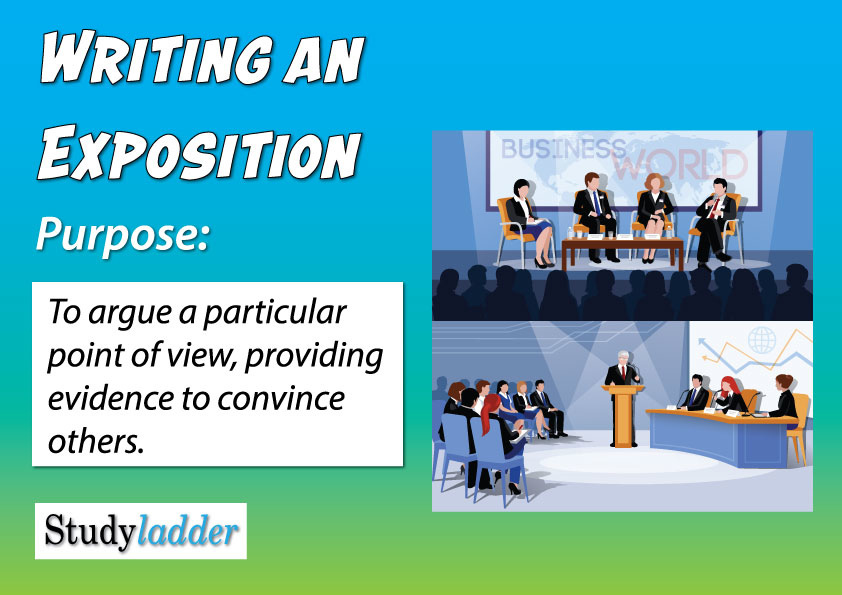
Exposition serves as the backbone of storytelling, providing vital context and information to the audience. However, numerous pitfalls can hinder its effectiveness, leading to disengagement and confusion. By identifying and addressing these common mistakes, writers can enhance the clarity and impact of their narratives.One prevalent mistake in exposition is over-exposition, where the writer inundates the audience with excessive information. This not only overwhelms the reader but also detracts from the story’s flow.
Effective storytelling requires a delicate balance, where information is woven seamlessly into the narrative rather than presented in large, indistinct chunks. Over-exposition can result in audience disengagement, as readers may find themselves fatigued by the barrage of details, losing interest in the story altogether.
Subtle Exposition versus Overt Exposition
The distinction between subtle and overt exposition significantly impacts storytelling. Subtle exposition integrates information in a manner that feels organic and unobtrusive, allowing the audience to absorb details without feeling lectured. For instance, a character’s backstory may be revealed through dialogue or action rather than a lengthy narrative summary. This method maintains engagement and encourages the audience to actively piece together the story’s elements.In contrast, overt exposition often involves direct explanations or lengthy backstory dumps that can disrupt the narrative’s rhythm.
This approach can alienate readers, as it tends to feel heavy-handed and can lead to a sense of detachment from the characters and plot. When exposition is executed overtly, it risks becoming a tedious chore for the audience, which can diminish emotional investment in the story.
- Subtle exposition fosters a sense of discovery for the audience, enabling them to engage more deeply with the characters and their journeys.
- Overt exposition can cause pacing issues, as it often leads to abrupt stops in the narrative, breaking the flow and making the story feel artificially constructed.
- Utilizing techniques such as dialogue, flashbacks, or character interactions allows for a smoother integration of necessary context, enhancing narrative cohesion.
Effective exposition is not about how much information is shared, but how artfully it is integrated into the narrative.
Engaging Your Audience

Engaging an audience during exposition is crucial for ensuring that the information presented is not only received but also retained. Effective engagement fosters a connection between the speaker and the audience, enhancing the overall impact of the presentation. Various strategies can be employed to achieve this, including the use of visual aids and rhetorical devices that resonate with the audience.
Strategies for Keeping the Audience Interested
Implementing strategies that capture and maintain audience attention is essential for any expositional presentation. Here are effective techniques to ensure sustained engagement:
- Establish a relatable context by beginning with a compelling story or anecdote that aligns with the topic. This invites the audience to connect personally with the subject matter.
- Utilize interactive elements, such as polls or questions, to encourage audience participation. This not only keeps them engaged but also fosters a sense of involvement.
- Vary vocal tone and pacing throughout the exposition to maintain interest. A monotone delivery can lead to disengagement, while dynamic speech can captivate listeners.
- Incorporate humor appropriately, as it can serve as an effective tool to lighten the mood and create a more enjoyable atmosphere for learning.
Incorporating Visual Aids
Visual aids play a significant role in enhancing comprehension and retention during exposition. Effective visual elements can simplify complex information and make the presentation more engaging. Consider the following framework for incorporating visual aids:
- Use graphs and charts to represent data visually, allowing the audience to grasp information at a glance. For instance, a pie chart illustrating market shares can effectively convey comparative data.
- Include images and infographics that summarize key points or concepts. For example, an infographic that Artikels the steps of a process can provide clarity and serve as a memorable reference.
- Employ slides with minimal text to avoid overwhelming the audience. Clear and concise visuals can enhance focus and understanding.
- Adjust the design of visual aids to align with the overall theme of the presentation, ensuring consistency and professionalism.
Using Rhetorical Devices
Rhetorical devices can greatly enhance the effectiveness of exposition by making content more memorable and impactful. Here are notable devices that can be utilized:
- Metaphors and analogies can create vivid imagery, making abstract concepts easier to understand. For example, comparing the economy to a delicate ecosystem illustrates interdependence and fragility.
- Alliteration can add rhythm and emphasis to key points, improving recall. Phrases such as “persistent pursuit of progress” can leave a lasting impression.
- Repetition is a powerful technique for reinforcing important ideas. Restating a critical message throughout the presentation can solidify the audience’s understanding of the topic.
- Rhetorical questions, though not requiring an answer, can provoke thought and engage the audience’s critical thinking, fostering a more interactive atmosphere.
Effective exposition is not merely about delivering information; it is an art that involves engaging the audience through thoughtful strategies and creative techniques.
Tailoring Exposition for Different Settings
Adapting exposition to various settings is crucial for effective communication. This process involves understanding the audience’s demographics, the medium of delivery, and the formality of the context. By tailoring exposition appropriately, the presenter can enhance comprehension, retention, and engagement among listeners or readers.
Adjusting Exposition Based on Audience Demographics
Understanding the specific demographics of an audience is essential in shaping exposition. Factors such as age, cultural background, education level, and professional experience can greatly influence how information is received. Tailoring content to these demographics ensures that the message resonates well.
- Age: Younger audiences may prefer relatable examples and modern references, while older audiences might appreciate historical context and more traditional illustrations.
- Cultural Background: Awareness of cultural sensitivities and norms can guide the language and examples used, preventing misunderstandings and fostering inclusivity.
- Education Level: The complexity of vocabulary and concepts should align with the audience’s educational background to facilitate understanding without condescension.
- Professional Experience: Tailor content to match the audience’s familiarity with the topic—simpler explanations for novices and more technical details for experts.
Checklist for Adapting Exposition for Different Mediums
When delivering exposition across various mediums, it is vital to customize the approach based on the characteristics of each medium. The following checklist provides essential considerations:
- Written Medium:
- Utilize clear headings and subheadings to enhance navigability.
- Incorporate bullet points for easy digestion of information.
- Use visuals such as charts and infographics to reinforce key points.
- Spoken Medium:
- Engage with eye contact and vocal modulation to maintain attention.
- Encourage audience interaction through questions and discussions.
- Use anecdotes and stories to create a personal connection.
- Visual Medium:
- Focus on high-quality visuals that complement and clarify the message.
- Limit text on slides to key phrases to avoid overwhelming viewers.
- Incorporate animations or transitions effectively to illustrate points.
Considerations for Formal Versus Informal Settings
When presenting exposition, the tone and style must shift depending on whether the setting is formal or informal. Different considerations apply to ensure that the exposition is received appropriately.In a formal setting, such as academic conferences or corporate presentations, the following aspects are important:
- The language used should be professional and devoid of slang or colloquialisms.
- Presentations should adhere to a structured format, often including a clear introduction, body, and conclusion.
- Use of data, references, and citations to support claims is expected to enhance credibility.
Conversely, in informal settings, such as community gatherings or casual meetings, the atmosphere allows for a more relaxed style:
- Casual language can foster a friendly environment, making the presentation feel more approachable.
- Personal anecdotes and humor can be employed to engage the audience emotionally.
- Flexibility in structure is permitted, allowing for spontaneous dialogue and interaction.
Adapting exposition based on audience demographics, medium, and formality ensures effective communication and enhances overall engagement.
Practice and Feedback
Effective exposition requires not only a solid grasp of the material but also proficiency in delivering it. Practicing and receiving feedback are critical components of mastering exposition skills. This section explores methods for rehearsing exposition and the significance of peer feedback in refining these skills.
Rehearsing Exposition Effectively
To master exposition, a structured method of rehearsal is essential. The following steps can enhance practice sessions:
1. Preparation of Content
Start by thoroughly understanding the topic. Create an Artikel highlighting key points, supporting evidence, and transitions to ensure a logical flow.
2. Mock Presentations
Deliver the exposition to an imaginary audience or record yourself. This allows you to practice your pacing and tone while gaining confidence in your delivery style.
3. Time Management
Use a timer to keep your presentation within the allotted time. This encourages brevity and clarity, essential traits of effective exposition.
4. Utilization of Visual Aids
Incorporate slides or physical materials that complement your spoken words. This aids retention and helps convey complex information more effectively.
5. Practice in Varied Environments
Rehearse in settings that simulate the actual presentation environment, whether that be a classroom, boardroom, or virtual meeting space. This helps alleviate anxiety on the day of the presentation.
Role of Peer Feedback
Peer feedback plays a pivotal role in enhancing exposition skills. Engaging with colleagues or mentors allows for constructive criticism that can refine both content and delivery. The following points illustrate the importance of peer feedback:
Diverse Perspectives
Peers may offer insights that the presenter may not have considered, leading to improved content quality.
Constructive Criticism
Feedback should focus on specific areas for improvement, such as clarity, engagement techniques, and pacing. This targeted approach aids in making precise adjustments.
Encouragement and Support
Positive reinforcement from peers can boost confidence, making the presenter more receptive to suggestions.
Examples of Constructive Criticism
Providing clear examples of constructive criticism can significantly influence improvement. Suggestions may include:
- “Your introduction effectively highlighted the topic, but consider providing a more engaging hook to draw the audience in.”
- “The visual aids were informative, yet they could be more impactful with less text and more images that illustrate key points.”
- “Your pacing was steady, but try to vary your speed to emphasize critical points and maintain audience interest.”
“Feedback is the breakfast of champions.” – Ken Blanchard
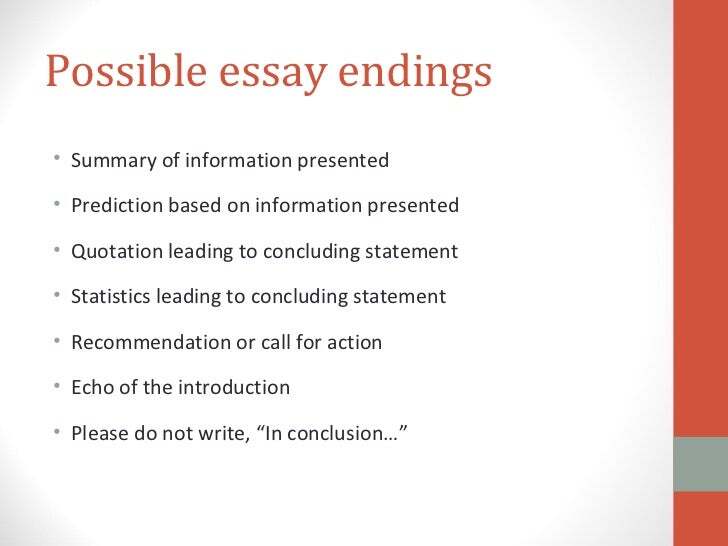
In conclusion, practice and feedback are indispensable elements of mastering exposition. By employing structured rehearsal techniques and embracing peer feedback, one can significantly enhance their exposition skills, ultimately leading to more effective and engaging presentations.
Case Studies of Successful Exposition
/Getty_exposition-510697150-585d9f235f9b586e024008aa.jpg "Definition and Examples of Exposition in Composition")
In various forms of media, successful exposition plays a crucial role in enhancing storytelling and ensuring that audiences grasp the narrative’s foundations without feeling overwhelmed. By examining notable examples, we can discern the techniques and strategies that make exposition effective, allowing creators to convey complex ideas gracefully and engagingly. This section explores case studies that exemplify successful exposition and the lessons these instances impart to storytellers.
Examples of Successful Exposition in Popular Media
Several well-crafted narratives across film, literature, and television provide valuable insights into effective exposition. These examples illustrate how exposition can be seamlessly integrated into a story without detracting from its pacing or engagement.
- The Lord of the Rings Trilogy: The opening scenes introduce Middle-earth’s rich lore through a combination of dialogue, visuals, and narration. The brief yet impactful prologue efficiently sets the stage for the epic quest, allowing audiences to understand the stakes involved.
- Breaking Bad: The character development of Walter White unfolds gradually. Through scenes depicting his life as a high school chemistry teacher and his subsequent transformation into a drug kingpin, exposition is woven naturally into the plot, maintaining tension while providing necessary background information.
- Inception: Christopher Nolan uses layered storytelling to provide exposition about the dream-sharing technology and its rules. The dialogue between characters, particularly Cobb and Ariadne, serves as a means to clarify complex concepts while engaging the viewer’s curiosity.
Lessons Learned from Well-Executed Exposition
Successful exposition demonstrates several key principles that can be effectively applied across different genres to enhance narrative clarity and audience engagement. Recognizing these lessons can aid writers and creators in crafting their own stories.
- Show, don’t tell: Visual storytelling and character actions can convey background information without relying on excessive dialogue. This approach keeps the audience invested while naturally revealing essential details.
- Character-driven exposition: Integrating exposition through character interactions creates a more dynamic experience. This method allows viewers to learn about the world and its stakes through relatable characters’ perspectives.
- Pacing is crucial: Maintaining an appropriate pace ensures that exposition does not bog down the story. Strategically placed exposition helps build suspense and keeps the audience engaged.
Comparison of Successful and Unsuccessful Exposition
A comparative analysis of successful and unsuccessful exposition reveals the impact of execution on storytelling. The following table highlights notable examples, illustrating the defining characteristics of each approach.
| Type of Exposition | Example | Characteristics |
|---|---|---|
| Successful | The MCU Origin Stories | Utilizes character backstories and visual elements seamlessly integrated into action sequences, maintaining audience engagement while establishing context. |
| Unsuccessful | The Hobbit: An Unexpected Journey | Overly lengthy exposition sequences detract from pacing, resulting in viewer confusion and disinterest due to excessive reliance on dialogue to explain the plot. |
| Successful | Harry Potter Series | Gradual introduction of the wizarding world through Harry’s perspective creates a sense of wonder and discovery, effectively immersing the reader in the narrative. |
| Unsuccessful | Star Wars: The Phantom Menace | Heavy exposition in dialogue regarding political machinations can leave audiences feeling disconnected from the characters and story, leading to disengagement. |
Final Conclusion
In conclusion, effective exposition is crucial for engaging storytelling, and understanding its nuances can elevate both written and spoken narratives. By applying the techniques discussed and being mindful of common pitfalls, storytellers can enhance their ability to captivate audiences. As we refine our exposition skills through practice and constructive feedback, we unlock the potential to create compelling and immersive experiences that resonate with our listeners, making every story a memorable journey.