How to Plan a Successful Book Launch Week is an essential guide for authors seeking to make a significant impact with their new releases. This week can be a pivotal moment in an author’s career, with the potential to establish their presence in the literary world and connect with readers. By carefully orchestrating every aspect from pre-launch preparation to post-launch strategies, authors can ensure their book receives the attention it deserves and resonates with its target audience.
Through well-defined goals, strategic marketing initiatives, and engaging events, this guide will walk you through the necessary steps to create an unforgettable book launch experience. With insights into leveraging media, collaborating with influencers, and fostering reader engagement, you will be equipped with the tools and knowledge to navigate the exciting journey of launching your book successfully.
Pre-Launch Preparation
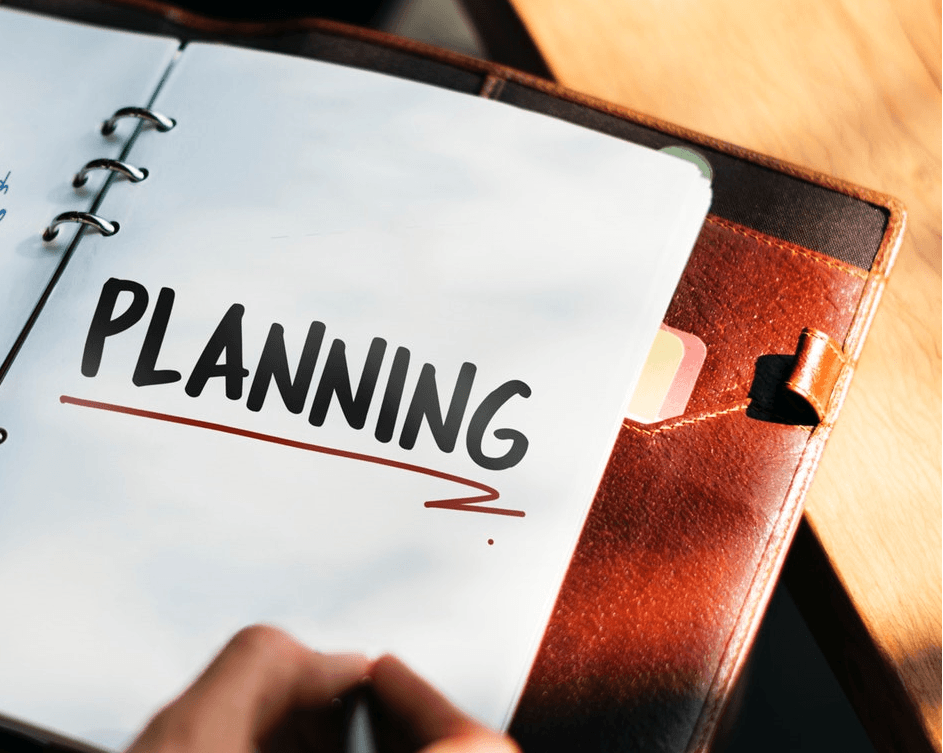
The success of a book launch largely hinges on the preparation that takes place in the weeks leading up to the big event. A well-planned pre-launch strategy not only sets the tone for the launch itself but also helps to build anticipation and engage the target audience effectively. It is essential to understand the core components of this preparation, which include defining the target audience, setting clear goals, and creating a comprehensive marketing plan.
Defining Target Audience
Identifying the target audience is a critical step in ensuring that marketing efforts are focused and effective. The target audience represents the specific group of readers who are most likely to be interested in the book’s content, themes, and style. To define the target audience, several methods can be employed:
- Demographic Analysis: Analyze age, gender, income level, education, and location to identify common characteristics among potential readers.
- Psychographic Profiling: Understand the interests, values, and lifestyles of your audience to tailor messaging that resonates deeply with them.
- Market Research: Utilize surveys, focus groups, or social media analytics to gather data on reader preferences and behaviors.
- Competitor Analysis: Examine the audiences of similar books to identify shared traits and potential gaps in the market that your book can fill.
By employing these methods, authors can create a clear profile of their ideal readers, enhancing the effectiveness of their marketing efforts.
Setting Clear Goals for the Book Launch
Establishing clear, measurable goals is vital for tracking the success of the book launch. Goals serve as benchmarks against which progress can be measured and strategies adjusted as needed. Goals should be Specific, Measurable, Achievable, Relevant, and Time-bound (SMART). Examples of launch goals might include:
- Achieving a specific number of pre-orders before the launch date.
- Attaining a certain position on bestseller lists within a defined time frame.
- Generating a targeted number of social media mentions or shares during launch week.
- Collecting a designated amount of email sign-ups through lead magnets related to the book.
These goals not only provide direction but also help motivate both the author and their team throughout the launch process.
Creating a Comprehensive Marketing Plan
A robust marketing plan is the backbone of a successful book launch. This plan should Artikel various promotional strategies and tactics tailored to engage the target audience effectively. Key components of a marketing plan may include:
- Content Marketing: Develop blog posts, articles, and other content that relates to the book’s themes to engage potential readers.
- Social Media Campaigns: Create strategic social media posts leading up to and during the launch week that encourage shares and interactions.
- Email Marketing: Design an email campaign that informs subscribers about the book launch, providing exclusive content or offers to entice purchases.
- Launch Events: Plan both virtual and in-person events such as book readings, Q&A sessions, or partnerships with bookstores to promote the book.
- Influencer Collaborations: Identify and reach out to influencers in the book community who can amplify the book’s visibility through reviews or features.
A well-rounded marketing plan ensures that all aspects of the launch are synchronized, maximizing outreach and engagement opportunities with potential readers.
Building Buzz Before the Launch
Creating anticipation for your book prior to its launch is crucial to its overall success. A well-executed buzz-building strategy can transform initial interest into a strong sales performance. By leveraging various platforms and methods, authors can ensure their target audience is engaged and excited about the upcoming release.
Utilizing Social Media to Generate Excitement
Social media serves as a powerful tool to create a vibrant pre-launch atmosphere. Engaging potential readers on platforms such as Twitter, Instagram, Facebook, and TikTok can significantly enhance visibility and excitement for your book. To effectively use social media, consider the following strategies:
- Create a Compelling Hashtag: Develop a unique hashtag for your book that can be used across all platforms. This makes it easier for readers to follow updates and engage in conversations surrounding your book.
- Share Teasers and Excerpts: Post quotes, snippets, or short chapters from your book. This not only piques interest but also invites readers to share their thoughts.
- Host Live Q&A Sessions: Schedule live sessions on platforms like Instagram or Facebook to discuss your book and answer audience questions. This fosters a sense of community and personal connection.
- Use Countdown Timers: Implement countdowns to the launch date in your posts. This creates a sense of urgency and excitement for the release.
Engaging with Potential Readers through Email Newsletters
Email newsletters are a direct channel to communicate with your audience, making them an effective tool for generating buzz. Here are key methods to enhance your email engagement:
- Exclusive Content: Offer subscribers exclusive content, such as behind-the-scenes looks into the writing process or early access to chapters. This creates value and encourages sign-ups.
- Regular Updates: Keep your audience informed with regular updates about the book’s journey, including cover reveals and launch events. Consistency builds anticipation.
- Incorporate Interactive Elements: Engage readers with polls or surveys regarding cover designs, character names, or themes. This involvement fosters community and shared investment in the project.
Collaborating with Influencers and Bloggers to Promote the Book
Collaboration with influencers and bloggers can significantly amplify your book’s reach. Partnering with individuals who have a strong online presence can introduce your work to new audiences. Effective methods for collaboration include:
- Identify Relevant Influencers: Research and reach out to influencers or bloggers whose interests align with your book’s genre. Their endorsement can lend credibility and attract attentive readers.
- Offer Advance Reader Copies (ARCs): Provide ARCs to influencers in exchange for honest reviews. Positive reviews from trusted sources can greatly enhance visibility.
- Organize Virtual Events: Host joint events such as live interviews or book discussions with influencers. This can reach their audience while simultaneously promoting your work.
- Leverage Guest Blog Posts: Write guest posts or articles for popular blogs in your genre. This positions you as an authority and allows you to showcase your book to new readers.
Organizing Launch Events

Planning successful launch events requires clear organization and attention to detail. Whether opting for a virtual event or an in-person book signing, each element must be thoughtfully curated to create an engaging experience for attendees. The following sections will Artikel the essential steps for organizing both virtual and in-person events, as well as provide a checklist to ensure a smooth launch week.
Planning a Virtual Launch Event
A virtual launch event can reach a wide audience and offers flexibility for participants. It is essential to plan meticulously to ensure technical aspects run smoothly and the overall experience is engaging.
1. Select a Platform
Choose a user-friendly platform that accommodates your needs, such as Zoom, Facebook Live, or YouTube Live. Ensure it can support the number of expected attendees and offers features like chat and Q&A.
2. Set a Date and Time
Pick a date and time that maximizes attendance. Consider your target audience’s time zones and avoid scheduling conflicts with major events.
3. Develop an Agenda
Create a structured agenda that includes reading excerpts, discussions, and audience interaction segments. This keeps the event dynamic and engaging.
4. Promote the Event
Utilize social media, mailing lists, and your website to promote the event. Create visually appealing graphics and videos to generate interest.
5. Rehearse
Conduct a practice session with all participants to troubleshoot technical issues and ensure everyone is familiar with the agenda.
6. Engage Your Audience
Incorporate interactive elements such as polls, Q&A sessions, and giveaways to keep attendees engaged throughout the event.
7. Follow Up
After the event, send thank-you emails to attendees and provide links to purchase the book or access a replay of the event.
Logistics for In-Person Book Signing Events
Organizing an in-person book signing requires careful coordination of logistics to create a successful and memorable experience for both the author and attendees. Key logistics include:
Venue Selection
Choose a location that is accessible and can comfortably accommodate your expected audience. Popular options include local bookstores, libraries, or community centers.
Permits and Permissions
Verify if any permits or permissions are needed for your event. Contact the venue to understand their requirements and guidelines.
Date and Time
Select a date that does not conflict with other local events and consider hosting it during peak hours when foot traffic might be higher.
Promotional Materials
Prepare signage, flyers, and bookmarks to promote the event. Utilize social media to alert your audience about the signing.
Book Inventory
Ensure a sufficient supply of books is available at the event. Coordinate with your publisher or distributor concerning delivery and payment methods.
Staffing
If applicable, recruit additional staff or volunteers to assist with book sales, signing lines, and crowd management.
Setup and Cleanup
Arrive early to set up the signing area and ensure all materials are in place. Plan for cleanup afterward to leave the venue as you found it.
Checklist for Managing Speaking Engagements during Launch Week
A checklist can streamline the management of speaking engagements, ensuring all necessary tasks are addressed for a successful launch week.
Confirm Engagements
Verify dates, times, and locations of all speaking engagements. Ensure that all parties involved are aware of the arrangements.
Prepare Presentation Materials
Develop slides or visual aids that effectively convey your message and align with your book’s themes.
Practice Your Speech
Rehearse your presentation to improve delivery and confidence. Time your speech to ensure it fits within the allotted time.
Coordinate Travel Plans
If your engagements require travel, arrange transportation and accommodations well in advance.
Engage with the Audience
Plan interactive segments or Q&A portions to engage your audience, making the experience more memorable.
Collect Contact Information
Have a system in place to capture attendees’ contact information for future communication or newsletter sign-ups.
Follow Up
After each engagement, send follow-up emails to thank the organizers and attendees, including additional resources or ways to connect.
“Effective organization of launch events can significantly impact the overall success of your book release.”
Utilizing Media and PR
In the digital age, leveraging media and public relations (PR) can significantly amplify the reach of your book launch. A strategic approach to crafting press materials and engaging with media outlets will maximize visibility and can lead to vital opportunities for interviews and features. This segment delves into the essential components of effective media outreach, including crafting a compelling press release, connecting with local media, and utilizing podcasts and online platforms for promotion.
Crafting a Compelling Press Release
A press release serves as a formal announcement to the media about your book launch. It should be concise, informative, and engaging enough to capture the attention of journalists and editors. Start with a strong headline that conveys the essence of your book and its significance. Follow this with a compelling opening paragraph that includes the who, what, when, where, and why of your launch.
To enhance the effectiveness of your press release, include the following elements:
- Engaging Quotes: Incorporate a quote from yourself or a notable figure related to your book to add a personal touch.
- Relevant Background Information: Provide context about your book, including its themes, target audience, and any notable achievements or endorsements.
- Call to Action: Encourage readers to attend the launch event or visit your website for more information.
A well-crafted press release not only informs but also piques interest, making it easier for media professionals to cover your story.
Reaching Out to Local Media
Engaging with local media can significantly enhance your book’s visibility and potential readership. Start by identifying local newspapers, magazines, radio stations, and television networks that cover books or community events. Create a personalized pitch email that highlights the unique angles of your book and why it matters to the local audience.When reaching out, consider the following strategies:
- Build Relationships: Connect with journalists and editors before your launch. Follow them on social media, engage with their content, and attend local media events.
- Offer Exclusives: Provide local media with exclusive interviews or early access to your book, which can increase their willingness to feature you.
- Follow Up: After your initial email, send a polite follow-up to remind them of your launch and offer additional information or interviews.
These approaches can lead to valuable media coverage, helping to establish your presence in the community.
Leveraging Podcasts and Online Platforms
Podcasts have surged in popularity and can serve as an effective platform for promoting your book. Many podcasts focus on literature, storytelling, or specific genres, making them ideal for your outreach efforts. Identify podcasts that align with your book’s theme and audience and reach out to the hosts with a personalized pitch.To maximize your impact on podcasts and online platforms, consider the following:
- Prepare a Pitch: Clearly articulate what makes your book unique and why it would be a good fit for the show’s audience. Highlight any expertise or experiences that relate to the book’s content.
- Engage with the Audience: During the podcast, share compelling anecdotes and insights related to your book that resonate with listeners.
- Utilize Social Media: Share your podcast appearances on your social channels, encouraging followers to listen and engage with the content.
By establishing a presence on podcasts and utilizing online platforms, you can effectively reach engaged audiences who are likely to be interested in your book.
Engaging with Readers During Launch Week
Engaging with readers during launch week is crucial for cultivating a strong community around your book. This period represents a unique opportunity to connect with your audience, gather valuable feedback, and create lasting relationships with your readers. By implementing effective strategies, you can enhance reader interaction and ensure a successful launch.
Encouraging Reader Interaction on Social Media Platforms
Utilizing social media platforms to engage with readers promotes a sense of community and excitement. Encouraging reader interaction can be achieved through the following methods:
- Host interactive posts such as polls or quizzes related to your book’s themes, characters, or setting to stimulate discussion.
- Create dedicated hashtags for your book launch, encouraging readers to share their thoughts and photos with easy tracking.
- Share behind-the-scenes content, such as the writing process or character sketches, inviting readers to comment and share their opinions.
- Post reader testimonials or quotes from early reviews to generate buzz and encourage others to add their voices.
Planning Live Q&A Sessions with Readers
Live Q&A sessions provide an engaging platform for direct interaction with readers, allowing them to ask questions and express their thoughts about your book. A successful Q&A session can be organized by following these steps:
- Select a suitable platform such as Instagram Live, Facebook Live, or YouTube, where your audience is most active.
- Promote the Q&A session in advance to encourage participation, highlighting the opportunity for readers to engage directly.
- Prepare a list of potential questions to guide the discussion and ensure that you cover key themes or topics related to the book.
- Be responsive and personable during the session, encouraging spontaneous questions and fostering a welcoming atmosphere.
Importance of Responding to Reader Feedback and Reviews in Real-Time
Timely responses to reader feedback and reviews during launch week are instrumental in building a positive author-reader relationship. Engaging with feedback can enhance your credibility and foster loyalty among your readers. Consider the following approaches:
- Monitor social media and review platforms actively to catch mentions and comments regarding your book as they happen.
- Respond to reader reviews and comments with gratitude, acknowledging their contributions and inviting further dialogue about their insights.
- Highlight constructive feedback and use it as a learning opportunity, addressing any critiques openly and professionally to demonstrate your commitment to improvement.
- Encourage readers to share their thoughts on various platforms by providing easy access to where they can leave feedback, thus expanding your reach.
“Engagement is not just about talking, but about listening and fostering a dialogue with your readers.”
Post-Launch Strategies
After the excitement of a book launch week, it is essential to implement post-launch strategies to sustain momentum and continue engaging with readers. The period following the launch is critical for building on initial successes, enhancing visibility, and fostering a loyal readership. By strategically maintaining engagement and utilizing data-driven insights, authors can maximize the impact of their launch and set the stage for future endeavors.
Tactics for Maintaining Momentum
Sustaining the excitement generated during launch week involves a series of actionable tactics that can help keep the book in the public eye. Authors should consider the following strategies to maintain engagement:
- Regular Social Media Updates: Continue to share updates, insights, and behind-the-scenes content related to the book. This keeps the conversation alive and encourages ongoing reader interaction.
- Book Clubs and Reading Groups: Engage with book clubs by offering discussions, Q&A sessions, or exclusive content. This not only promotes the book but also creates a community around it.
- Special Promotions: Introduce limited-time offers, such as discounts or bundled sales with other titles, to entice new readers and boost sales.
- Newsletters and Email Campaigns: Send out newsletters featuring reader testimonials, upcoming events, and relevant content to maintain interest and encourage word-of-mouth promotion.
Analyzing Sales Data
Analyzing sales data provides valuable insights into the effectiveness of marketing efforts and reader preferences. Authors can refine their future marketing strategies based on the following key metrics:
- Sales Trends: Examine daily and weekly sales patterns to identify peak sales periods and assess the impact of specific marketing initiatives.
- Audience Demographics: Analyze who is purchasing the book to tailor future outreach efforts to similar audiences.
- Platforms Performance: Determine which sales platforms are generating the most revenue, allowing authors to focus their marketing resources effectively.
- Reader Feedback: Gather and assess reader reviews and feedback to understand what resonates with the audience and what could be improved.
Continued Engagement Through Follow-Up Content
Engaging readers post-launch can be effectively achieved through follow-up content and events that deepen their connection to the book and the author. Consider these approaches:
- Webinars and Live Events: Host discussions or workshops that delve into themes or topics from the book, allowing readers to interact directly with the author.
- Content Series: Create a series of blog posts or videos that explore aspects related to the book, such as character development, research processes, or related topics of interest.
- Social Media Challenges: Initiate online challenges or prompts encouraging readers to share their thoughts and experiences related to the book, fostering community engagement.
- Exclusive Content for Subscribers: Offer additional insights, bonus chapters, or companion materials to newsletter subscribers to incentivize sign-ups and maintain engagement.
Conclusive Thoughts
In conclusion, embarking on the journey of How to Plan a Successful Book Launch Week involves meticulous preparation, innovative strategies, and active engagement with your audience. By implementing the techniques discussed, authors can not only enhance their launch experience but also cultivate lasting relationships with their readers. With a comprehensive approach that encapsulates excitement, interaction, and follow-up, your book launch can mark the beginning of a thriving literary career.