Kicking off with How to Choose the Right s and Categories on Amazon, this guide aims to illuminate the essential strategies for optimizing product visibility on one of the world’s largest e-commerce platforms. Selecting the appropriate s and categories is not merely a technical task; it is a pivotal factor that can significantly enhance your product’s discoverability and, consequently, your sales performance.
In this comprehensive exploration, we will delve into the critical aspects of and category selection, including understanding customer search behavior, utilizing competitor analysis, and constantly optimizing your selections based on market trends. By employing the right tools and techniques, you can ensure that your products stand out and attract the attention they deserve.
Understanding the Importance of Selecting Appropriate Terms and Classifications
Choosing the right s and categories for your products on Amazon is a fundamental step that dictates visibility and, ultimately, sales performance. The selection process influences how potential customers find your products during their search queries. As the competition on Amazon continues to intensify, understanding the significance of appropriate terms and classifications becomes essential for success.Selecting suitable terms and classifications is critical for product visibility.
s act as the bridge between your product and potential customers. When a user enters search terms into Amazon, the platform utilizes these s to display relevant products. Consequently, selecting high-traffic, relevant s can dramatically enhance your product’s visibility. Moreover, these choices directly impact search ranking algorithms, determining where your product appears in search results.
Impact on Sales Performance
The influence of appropriate and category selections extends beyond visibility; it significantly affects sales performance as well. When products are accurately represented in the right categories and with the appropriate s, customers are more likely to click on them. This increased traffic can lead to higher conversion rates.Consider the example of a well-known kitchen appliance brand that successfully boosted its sales by optimizing strategies.
By identifying terms like “multi-functional blender” and categorizing it under “kitchen appliances,” the brand ensured that its product appeared in relevant searches. As a result, their sales surged by 30% within the first quarter post-optimization.Additionally, the power of reviews and ratings cannot be underestimated. Products that rank higher in search results tend to accumulate more reviews, which in turn boosts their credibility and attractiveness to new buyers.
This creates a positive feedback loop, as increased visibility leads to more sales, which generates more reviews, further enhancing visibility.In summary, the effective selection of s and categories is a crucial aspect of marketing on Amazon. It not only improves visibility but also directly correlates with sales performance. Brands that invest time and resources in thorough research and appropriate categorization often see tangible results in their sales figures, reinforcing the importance of this initial strategy.
Researching Popular Terms and Classifications
![The Ultimate Guide to Amazon Keyword Research [+ Free Tools]](https://cobanih.web.id/wp-content/uploads/2025/09/original.png "The Ultimate Guide to Amazon Keyword Research [+ Free Tools]")
In the expansive marketplace of Amazon, selecting the right s and categories plays a crucial role in ensuring product visibility and sales success. Understanding the methods to research trending terms and classifications can significantly enhance your product listings. This section will delve into effective strategies for assessing popular terms and using competitor analysis to identify successful s.
Methods to Assess Trending Terms and Classifications
Utilizing various methods to research popular s and classifications can provide invaluable insights into consumer behavior and market trends. By staying informed about what is currently trending, sellers can optimize their product listings more effectively. One effective method is to analyze Amazon’s Best Sellers and Movers & Shakers lists. These lists highlight products that are selling well and gaining traction, offering insights into what terms and classifications are resonating with consumers.
Another significant approach involves using Amazon’s search bar. As you type in a search term, Amazon will suggest popular queries that reflect what customers are actively searching for. This auto-suggest feature can help identify relevant s that are currently popular.Furthermore, reviewing customer reviews and feedback on competitor products can provide insights into the terminology used by customers. This understanding can help in crafting product descriptions and titles that align with customer expectations and preferences.
Utilizing Competitor Analysis for Identifying Effective Terms
Competitor analysis is a critical component of research on Amazon. By examining the strategies employed by successful competitors, sellers can identify effective terms that may attract potential buyers. Analyzing top-selling products in your category involves examining their product titles, bullet points, and descriptions. Pay attention to the s they utilize, as these terms are likely optimized for visibility. Additionally, employing tools like Helium 10, Jungle Scout, or AMZScout can provide valuable data on rankings and search volume.
These tools enable sellers to gather information about which s competitors are ranking for and how often those s are searched. It is also beneficial to track seasonal trends and modifications in consumer search behavior. Competitors may adjust their s based on changes in demand throughout the year, such as holidays or seasonal events.
Tools and Resources for Researching Terms and Classifications
A variety of tools and resources are available for researching s and classifications on Amazon. These tools can streamline the process of discovery and help sellers stay ahead of market trends.The following are some recommended tools and resources for effective research:
- Helium 10: An all-in-one suite that provides research, trend analysis, and competitor tracking features. It helps in identifying high-performing s and optimizing listings.
- Jungle Scout: A powerful tool that offers insights into product performance, tracking, and sales estimates. It is particularly useful for finding niche markets.
- AMZScout: This tool provides suggestions, competition analysis, and search volume data to inform selection.
- MerchantWords: A research tool that aggregates search terms from Amazon, allowing sellers to discover popular s used by shoppers.
- Google Planner: While primarily designed for Google Ads, this tool can help identify relevant s that may also be applicable to Amazon listings.
By leveraging these tools and resources, sellers can conduct comprehensive research to select appropriate terms and classifications that align with consumer interests and enhance product visibility on Amazon.
Analyzing Customer Search Behavior
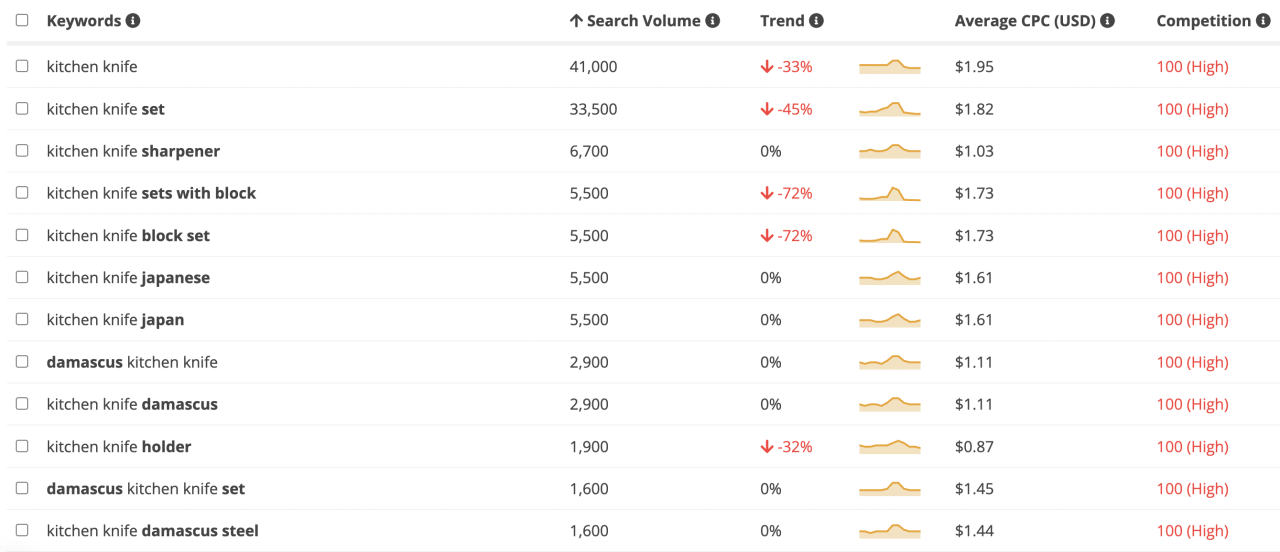
Understanding customer search behavior is crucial for selecting effective s and categories on Amazon. By analyzing how customers search for products, sellers can make informed decisions about which terms to prioritize. Recognizing the nuances in search patterns not only enhances visibility but also aligns offerings with customer intent, leading to improved conversion rates and customer satisfaction.Customer search behavior can be discerned through various patterns that emerge from analytics and search trends.
This behavior is influenced by a combination of factors, including seasonality, product trends, and the specific language that customers use when seeking products. Studying these patterns allows sellers to refine their selection strategically. Moreover, the significance of customer reviews and feedback cannot be understated; they provide insight into the language customers use and the attributes they value, which can further inform term selection.
Patterns in Customer Search Behavior
Identifying the specific patterns in customer search behavior is essential for anticipating customer needs and optimizing strategies. Searches often reflect seasonal interests or current trends, which can be captured through data analytics tools.
- Search volume spikes during specific times of the year, such as holidays or promotional events.
- Long-tail s tend to be more effective, as customers often use descriptive phrases to find exactly what they want.
- Common terms and phrases can be derived from reviewing customer feedback, as satisfied customers often repeat specific s in their reviews.
The feedback from customer reviews serves as a rich source of information when selecting s. Reviews can reveal not only what features customers appreciate but also the terminology they use, which may differ from industry jargon. Integrating this language into strategies can create a stronger connection with potential buyers.
Customer Reviews and Feedback Influence
The significance of customer reviews extends beyond mere ratings; they can dramatically influence selection and product categorization. Analyzing customer reviews often uncovers valuable insights into customer preferences and pain points.
“Customer reviews provide a window into the phrases and s that resonate most with buyers, guiding sellers in their optimization efforts.”
When assessing customer feedback, consider the following:
- Identifying recurring s or phrases in reviews that highlight product benefits or features.
- Recognizing negative feedback terms that may indicate areas for improvement or potential deterrents.
- Observing the frequency of certain terms used in customer inquiries, which may not always appear in reviews but are evident in Q&A sections.
Comparison of Customer Search Phrases to Effective Terms
To further illustrate the relationship between customer search behavior and effective selection, the following table compares common customer search phrases with optimized s that align with those searches.
| Customer Search Phrase | Optimized |
|---|---|
| “eco-friendly reusable bags” | “biodegradable shopping totes” |
| “best kitchen knife set” | “professional chef knife collection” |
| “comfortable running shoes for women” | “women’s cushioned running sneakers” |
| “affordable home office furniture” | “budget-friendly office desk solutions” |
The data presented highlights how subtle variations in language can enhance search visibility. By aligning product listings with the terms that customers inherently use, sellers can improve their chances of appearing in relevant searches, thereby increasing sales potential.
Evaluating Product Relevance to Selected Terms
Assessing a product’s relevance to the chosen s and categories is crucial for optimizing visibility on Amazon. This process not only facilitates the effective discovery of products by potential buyers but also enhances the overall shopping experience on the platform. It is essential to ensure that the product features and descriptions align with the terms selected, as this directly impacts search ranking and conversion rates.Evaluating product relevance requires a systematic approach to match the product’s attributes with the s and categories identified during research.
By aligning product features with the chosen terms, sellers can improve their chances of being found by the right audience. This alignment can be achieved through careful consideration of product specifications, benefits, and customer expectations.
Methods for Aligning Product Features with Selected Terms
To effectively align product features with the selected s and categories, several methods can be employed. These methods ensure that product listings resonate with the search intent of potential customers and meet their needs. Firstly, a comprehensive analysis of the product’s specifications and benefits should be conducted. This involves listing all features, advantages, and unique selling points that the product offers.
Secondly, sellers should perform a comparative analysis with competitor listings to identify common s and phrases they use, which can further inform the alignment process.Additionally, employing tools that provide insights into performance can assist in identifying the best terms to use. Utilizing Amazon’s own tools, such as Seller Central reports and the Brand Analytics feature, can yield valuable data on search behavior and trends.To streamline this process, consider the following checklist for evaluating term relevance before listing products:
- Review product specifications and features to ensure they align with selected s.
- Analyze top competitor listings for similar products and note their usage.
- Utilize research tools to assess relevance and popularity of terms.
- Ensure that product descriptions are clear and incorporate the selected s naturally.
- Collect customer feedback to identify common terms used in reviews and questions.
- Adjust product listings based on seasonal trends and changing customer preferences.
“A well-aligned product listing not only improves search visibility but also enhances customer trust and encourages conversions.”
Implementing and Testing Terms and Classifications
Implementing and testing the selected s and categories in your Amazon product listings is crucial for optimizing visibility and improving sales. This process involves strategically incorporating chosen terms into your listings and testing their effectiveness to ensure they resonate with your target audience. Understanding market dynamics and customer preferences will lead to more effective listings and increased conversions.A systematic approach is essential when implementing selected terms in product listings.
Here is a step-by-step procedure to follow for effective implementation:
Step-by-Step Procedure for Implementation
To ensure a seamless integration of s and categories, it is important to follow these steps which will guide you through the implementation process:
- Identify Key Components: Determine the essential elements of your product listing, including the title, bullet points, product description, and backend s.
- Incorporate Selected Terms: Strategically place the chosen s and categories within these key components. Ensure that the terms appear naturally and enhance the readability of your listing.
- Optimize for Search: Use the primary in the product title and include relevant secondary s in bullet points and descriptions. This will improve the chances of appearing in search results.
- Review the Listing: Ensure that the listing is coherent, engaging, and free of stuffing. It should appeal to potential buyers while aligning with Amazon’s guidelines.
- Publish and Monitor: Once the listing is live, closely monitor its performance using Amazon’s analytics tools to track visibility and conversion rates.
The significance of A/B testing in this context cannot be overstated. A/B testing allows sellers to compare two versions of a listing to evaluate which one performs better based on specific metrics such as click-through rates and sales conversions.
Importance of A/B Testing
A/B testing different terms and classifications is vital for refining your product listings and maximizing their effectiveness. By systematically comparing variations, you will gain insights into customer preferences and behavior.
A/B testing enables sellers to make data-driven decisions, leading to improved listing performance and higher sales.
The following points highlight the importance of A/B testing:
- Data-Driven Insights: A/B testing provides quantitative data on what terms resonate with customers, allowing for informed adjustments.
- Enhanced Listing Performance: Small changes in s or classifications can lead to significant increases in visibility and sales.
- Reduced Risk: Testing variations minimizes the risk of committing to a poorly performing listing, enabling iterative improvements based on customer feedback.
Successful A/B testing strategies involve not only changing s but also experimenting with other elements of the listing. For example, consider the following strategies:
Successful Testing Strategies
It’s essential to implement comprehensive strategies that encompass different aspects of your product listings. Here are effective strategies to consider:
- Variations: Test different phrases, including synonyms and long-tail s, to identify the most effective combinations.
- Title Adjustments: Experiment with various title formats to determine which maximizes click-through rates without sacrificing clarity.
- Bullet Point Revisions: Modify the wording and order of bullet points to emphasize different features, assessing their impact on customer engagement.
- Category Changes: Test listings under different categories to find the most relevant audience, measuring the conversion rates for each category.
Each of these strategies allows for targeted testing and optimization, ensuring that your listings not only attract attention but also convert views into sales.
Continuously Optimizing Terms and Categories
In the dynamic landscape of Amazon, the relevance of your s and categories is not static; it requires continuous optimization to maintain competitiveness. Regularly assessing the effectiveness of your selected terms ensures that your products remain visible to potential customers. This section will provide strategies for ongoing monitoring, evaluation, and adjustment of your s and categories based on emerging market trends and customer feedback.
Strategies for Ongoing Monitoring and Evaluation
Establishing a routine for monitoring the performance of s and categories is crucial for sustained success. The following points Artikel effective strategies for this purpose:
- Utilize Amazon Analytics Tools: Leverage various analytics tools provided by Amazon to track performance. These tools can provide insights into click-through rates, conversion rates, and search term reports, allowing you to gauge which terms are driving traffic and sales.
- Regular Review of Sales Data: Analyze sales data on a monthly or quarterly basis to identify trends. Look for patterns in which products are selling well, as this can indicate the effectiveness of your current s.
- Monitor Competitor Activity: Keep an eye on competitors’ listings for shifts in their usage and category placements. This can help you identify new strategies or terms that may be gaining traction in the market.
Adjusting Terms and Classifications Based on Market Trends
Flexibility in adjusting your s and categories in response to market trends is essential for relevance. Understanding the importance of adapting to customer preferences can enhance visibility and sales:
- Stay Informed on Industry Trends: Subscribe to industry newsletters, attend webinars, and participate in forums to stay updated on emerging trends. This information can guide your term adjustments.
- Incorporate Customer Feedback: Actively solicit and review customer feedback regarding product descriptions and search terms. Utilize this feedback to refine your s, ensuring they resonate with your target audience.
- Utilize Seasonal Trends: Adjust your s according to seasonal changes or events. For instance, during holidays, incorporating relevant seasonal s can increase discoverability.
Timeline for Regular Review and Optimization
Establishing a review timeline ensures that your s and categories are consistently optimized. A well-defined schedule helps maintain focus and prompts timely adjustments:
- Weekly Reviews: Conduct a brief weekly analysis of your best-performing and underperforming s to identify immediate opportunities for improvement.
- Monthly Evaluations: Perform a more comprehensive review of sales data and customer feedback each month. Use this time to reassess your s and categories based on the insights gained.
- Quarterly Strategy Sessions: Set aside time every quarter to evaluate overall performance, market trends, and competitor strategies. Adjust your long-term strategy as needed based on these evaluations.
“Regularly optimizing your s not only enhances your product visibility but also aligns your offerings with evolving customer needs.”
Leveraging Tools and Resources for Optimization
In the ever-evolving landscape of Amazon selling, utilizing the right tools and resources can significantly enhance your ability to select optimal s and categories. These tools not only streamline the research process but also provide valuable insights into customer behavior and preferences, allowing for more effective term and classification strategies. By leveraging technology, sellers can make informed decisions that lead to improved visibility and sales performance.To optimize your terms and classifications effectively, it is essential to employ analytical tools that can help monitor performance and guide your strategy.
The following key tools assist in optimizing terms and classifications by providing data-driven insights and facilitating smarter decision-making.
Key Tools for Optimization
Several tools are available that assist sellers in identifying and refining their s and categories. The following resources are particularly valuable for ongoing optimization efforts:
- Jungle Scout: This tool provides research capabilities, allowing sellers to discover high-traffic s and assess competition levels. It offers a comprehensive suite of features, including sales data and product tracking.
- Helium 10: A complete toolkit for Amazon sellers, Helium 10 includes tools for research, listing optimization, and market trends analysis. Its powerful analytics can guide term selection based on actual search data.
- AMZScout: AMZScout provides insights into product performance, rankings, and sales estimates. It enables users to identify profitable s and optimize their listings accordingly.
- Sonar: Sonar is a free research tool that helps sellers find relevant s based on real Amazon search queries. It can aid in discovering long-tail s that may convert better.
- Tool: This tool offers a user-friendly interface for finding Amazon s, making it easy to generate a list of relevant terms to incorporate into your listings.
Using these tools effectively involves not just relying on their output but also applying best practices in analytics to steer your selection. By analyzing historical data and current trends, sellers can make informed choices that resonate with potential customers.
Best Practices for Using Analytics
Utilizing analytics in your strategy is critical for sustained success on Amazon. The following best practices can enhance your approach to term selection:
- Regularly review performance metrics: Monitoring your performance is essential to understand which terms drive traffic and conversions. By keeping an eye on these metrics, you can adjust your strategy as needed.
- Identify seasonal trends: Understanding how popularity fluctuates throughout the year can help sellers capitalize on seasonal spikes. Analyzing past performance can inform future term selection.
- Utilize A/B testing: Testing different s in your product listings can reveal which terms perform best. By comparing results, you can refine your strategy effectively.
- Leverage customer feedback: Analyzing reviews and questions can provide insights into the language customers use when searching for products. Incorporating these terms can enhance relevance and visibility.
These practices ensure that your strategy is data-driven and responsive to market changes, thereby optimizing your presence on Amazon.
Resource List for Ongoing Optimization
A well-curated list of resources can support continuous optimization efforts. The following platforms and tools can be beneficial in maintaining an effective and classification strategy:
- Google Trends: This tool provides insights into popularity over time, allowing sellers to identify emerging trends in their niche.
- Amazon’s Brand Analytics: Available for registered brands, this tool provides access to consumer behavior data and search terms used by customers.
- Keepa: This price tracking tool also offers insights into sales rank history, helping sellers understand competition and market dynamics.
- Inspector: This tool aids in uncovering hidden s, enhancing the potential for greater visibility.
- SellerApp: This comprehensive platform offers research, listing optimization, and market intelligence, streamlining the decision-making process.
Employing these tools and adhering to best practices in analytics will empower sellers to remain competitive and maximize their visibility on Amazon. By continuously seeking to optimize s and classifications, businesses can better align with consumer demands and drive sales growth.
Wrap-Up

In conclusion, mastering the art of choosing the right s and categories on Amazon is a continuous journey that requires diligence, research, and adaptation. By implementing the strategies discussed and regularly monitoring their effectiveness, you can maintain a competitive edge in the marketplace. Remember, the right s and categories not only drive traffic to your listings but can also transform potential views into actual purchases, ultimately contributing to your success on Amazon.