How to Price Your Self-Published Book for Success is a crucial topic for authors navigating the self-publishing landscape. Understanding the nuances of pricing can significantly impact your book’s visibility and sales potential. This guide delves into essential strategies and insights that will equip you with the knowledge needed to set a competitive price for your self-published book.
From grasping fundamental pricing concepts to analyzing market trends and consumer behavior, this discussion will explore various pricing models and psychological techniques that can enhance your sales strategy. By examining the costs associated with self-publishing and the influence of reader feedback, you will gain a comprehensive understanding of how to effectively price your book for success.
Understanding the Basics of Book Pricing

Pricing is a critical element in the self-publishing industry, as it directly influences sales and the author’s overall success. Setting the right price can attract readers while ensuring that the author is compensated fairly for their work. However, navigating the complexities of book pricing involves understanding various strategies and market factors that can affect the pricing decision.One of the most prevalent pricing strategies used by self-published authors includes competitive pricing, where the price is set in relation to similar books within the same genre.
This approach allows authors to remain competitive while also appealing to potential readers. Other strategies include value-based pricing, where the price reflects the perceived value of the book to the target audience, and tiered pricing, which involves offering different formats (like e-books, paperbacks, and audiobooks) at varying price points to maximize sales across different consumer preferences.
Impact of Genre and Audience on Book Pricing
The genre of a book plays a significant role in determining its price, as different genres have established pricing norms that authors typically follow. For instance, romance and mystery novels often have lower price points compared to academic or technical books, which can command higher prices due to their specialized content. Understanding these trends is essential for authors to align their pricing with reader expectations.Additionally, the target audience significantly impacts pricing decisions.
For example, a book aimed at young adults may be priced lower to attract a larger readership, particularly since younger readers often have limited budgets. Conversely, a book aimed at professionals or industry experts may justify a higher price due to the specialized knowledge it provides. When considering pricing, it is also important to factor in the potential for discounts and promotional pricing.
Offering limited-time discounts can create urgency and encourage readers to purchase, while also helping to boost visibility on retail platforms.
“Understanding your audience and genre can lead to more effective pricing strategies that maximize your book’s potential.”
In summary, successful book pricing hinges on a comprehensive understanding of both the marketplace and the intended readership. By analyzing common pricing strategies and considering the influence of genre and audience, authors can make informed pricing decisions that enhance their chances for success in the competitive landscape of self-publishing.
Analyzing Market Trends
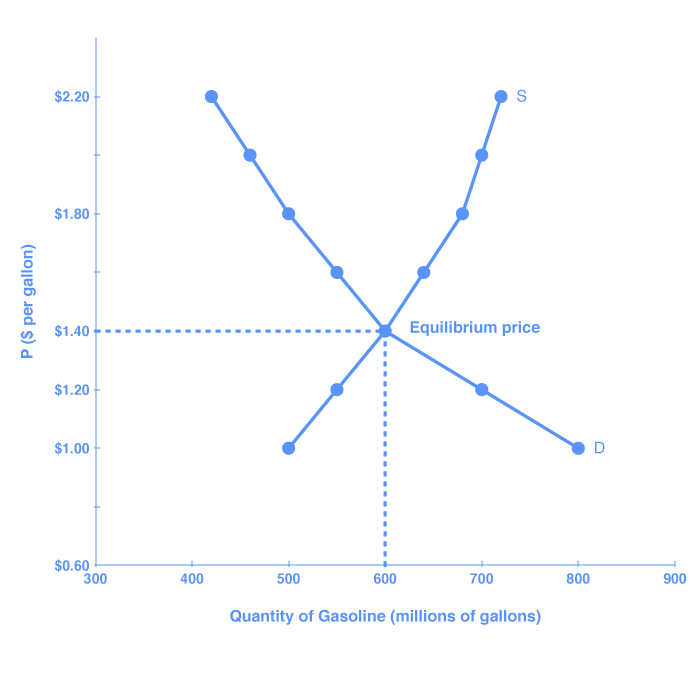
Understanding market trends is essential for self-published authors aiming to price their books competitively. By examining the pricing landscape of similar works within the same genre, authors can effectively position their books to maximize visibility and sales. This section discusses various methods for researching competitive pricing, analyzing pricing trends on self-publishing platforms, and recognizing seasonal trends that may impact pricing strategies.
Researching Competitive Pricing
Researching competitive pricing is a critical step in determining the optimal price for your self-published book. This entails not only observing the prices of similar titles but also understanding the value they offer to readers.
- Identify comparable titles: Begin by identifying successful books within your genre. Look for those with similar themes, target audiences, and publication dates.
- Assess the pricing range: Record the prices of these titles. Take note of the lowest and highest prices to establish a competitive range that reflects the market.
- Evaluate author reputation: Consider the authors’ backgrounds. Established authors may price their books higher due to their brand strength, while debut authors might need to start lower.
- Read reviews and ratings: Analyzing reader feedback can provide insights into whether a book’s pricing aligns with its perceived value. High ratings may justify a higher price point.
Analyzing Pricing Trends on Self-Publishing Platforms
Self-publishing platforms such as Amazon Kindle Direct Publishing, Smashwords, and IngramSpark offer valuable data on pricing trends.
- Monitor bestseller lists: Frequently check the bestseller lists on these platforms to observe the pricing strategies of top-selling titles. This can inform your pricing decisions.
- Utilize pricing tools: Many platforms provide analytical tools that track price changes and sales data over time. These insights can be instrumental in adjusting your pricing strategy.
- Review promotional campaigns: Observe how successful authors utilize temporary price reductions or free promotions to boost visibility and sales, especially during launch periods.
- Stay updated on policy changes: Regularly check for any updates to pricing policies on these platforms, as changes may influence how you price your book.
Recognizing Seasonal Trends
Seasonal trends can significantly affect book pricing and sales performance. Authors should be aware of these fluctuations to optimize their pricing strategies throughout the year.
- Identify peak seasons: Certain times of the year, such as the holiday season or back-to-school periods, often see increased book sales. Authors can capitalize on these trends by adjusting their pricing accordingly.
- Adjust for holidays: Consider promotional pricing during key holidays or events, such as National Book Month or Valentine’s Day, to attract more readers.
- Examine genre-specific trends: Some genres may experience seasonal popularity. For example, cookbooks may see more sales in the winter when people are looking for comfort foods, while travel guides may peak in the spring and summer.
- Utilize data from previous years: Analyzing historical sales data can help predict future trends, allowing authors to strategically price their books based on anticipated demand.
“Understanding market trends and pricing strategies is not just about setting a price; it’s about positioning your book for success in a competitive landscape.”
Cost Considerations for Self-Published Authors

Self-publishing offers writers an incredible opportunity to share their work with the world, but it also involves various costs that must be carefully managed. Understanding these financial aspects is crucial for setting a competitive yet profitable book price. This section Artikels the essential costs associated with self-publishing and how they should inform your pricing strategy while highlighting the importance of profit margins.
Various Costs Incurred in Self-Publishing
Self-publishing comes with a range of costs that authors should be aware of. These expenses can vary widely based on the author’s choices and the resources they utilize. Below is a comprehensive list of the primary costs that authors may incur:
- Editing: Professional editing is critical for ensuring the quality of your manuscript. Costs can range from $0.01 to $0.04 per word depending on the type of editing required (developmental, copyediting, proofreading).
- Cover Design: A professionally designed cover can significantly impact sales. Prices can vary from $100 to $1,500 based on the complexity and designer’s experience.
- Formatting: Proper formatting for both print and digital versions is essential. This can cost anywhere from $50 to $500 depending on the format and complexity.
- ISBN and Copyright Registration: An ISBN is necessary for distribution and can cost around $125 for a single number, while copyright registration is typically around $55.
- Marketing: Effective marketing strategies may require a budget ranging from a few hundred to several thousand dollars, depending on methods used (e.g., social media ads, book signings, promotional materials).
Influence of Costs on Book Pricing
Understanding how these costs affect your pricing strategy is crucial for financial success. The total of these expenses should be factored into the final price of your book to ensure that you do not incur a loss. Authors should adopt a pricing model that covers all costs while also considering their target market and genre standards. A recommended approach is to calculate the total expenses associated with the book and then determine the price point by adding a desired profit margin.
For example, if your total costs amount to $1,500 and you wish to earn a 30% profit, your pricing formula would be:
Price = Total Costs + (Total Costs x Desired Profit Margin)
Therefore, in this case:Price = $1,500 + ($1,500 x 0.30) = $1,500 + $450 = $1,950.This method emphasizes the need for a balance between affordability for readers and profitability for authors.
Importance of Calculating Profit Margins
Calculating profit margins is a fundamental aspect of self-publishing that can determine the long-term sustainability of an author’s career. Profit margins should not only cover initial expenses but also provide financial breathing room for future projects. By understanding the profit margin, authors can make informed decisions regarding pricing strategies and marketing efforts.An effective profit margin ensures that the author can reinvest in their writing career, whether by funding the next book project, enhancing marketing efforts, or seeking professional development opportunities.
For instance, if an author prices their book at $15 with a cost of $5 per book, the profit margin would be calculated as follows:
Profit Margin = (Selling Price – Cost) / Selling Price x 100
In this case:Profit Margin = ($15 – $5) / $15 x 100 = $66.67%.This calculation demonstrates how understanding costs and profit margins can lead to a more strategic approach to self-publishing, ultimately contributing to an author’s success.
Pricing Models for Self-Published Books
Establishing an effective pricing model is essential for self-published authors aiming to attract readers and achieve financial success. Pricing not only influences a book’s marketability but also reflects its perceived value. Understanding various pricing strategies can help authors make informed decisions that align with their goals and target audience.
Comparison of Fixed Pricing and Dynamic Pricing Strategies
Fixed pricing is a straightforward approach where the price of the book remains consistent over time. This strategy offers predictability for both the author and the reader. On the other hand, dynamic pricing allows authors to adjust the price based on market demand, competition, and promotional strategies. Each model has its unique advantages.
- Fixed Pricing:
A stable price point can enhance consumer trust and simplify marketing efforts.
For instance, a self-published book priced at $14.99 can create a sense of reliability, appealing to readers who are willing to pay for quality. This approach is often effective for genres with established price standards, such as romance or mystery novels.
- Dynamic Pricing:
Flexibility in pricing can maximize sales opportunities, especially during promotional events.
Examples include lowering the price temporarily for a book launch or during seasonal sales. Authors can utilize platforms like Amazon KDP, which allows for price adjustments based on sales performance and reader interest.
Integration of Discounts and Promotions into Pricing Models
Incorporating discounts and promotions into the pricing strategy can significantly enhance a book’s visibility and appeal. Authors can employ a variety of promotional tactics to attract new readers and boost sales.
- Launch Discounts: Offering a limited-time discount during the launch period can encourage early sales and generate reviews, vital for future sales. For example, setting the initial price at $0.99 for the first week can entice readers to buy and promote the book through word-of-mouth.
- Seasonal Sales: Aligning promotions with holidays or special events can capture the interest of potential buyers. For instance, running a discount during the holiday season can significantly increase visibility and sales.
- Bundling Offers: Authors can package multiple books together at a reduced price, appealing to readers who prefer to purchase in bulk. This strategy not only enhances sales volume but also increases the author’s overall profit margin over time.
- Reader Rewards: Implementing loyalty programs or offering special discounts to returning customers fosters a strong reader relationship and can lead to increased sales.
Impact of Ebook Pricing Versus Print Book Pricing
The pricing strategies for ebooks and print books differ significantly due to the nature of their distribution and production costs. Understanding these differences can help authors strategically position their works in the market.
- Ebook Pricing: Ebooks generally have lower production costs, allowing authors to set a more competitive price point. Prices often range from $0.99 to $9.99, appealing to a broader audience. Many readers are willing to purchase ebooks at lower prices, especially for impulse buys.
- Print Book Pricing: The physical production of print books incurs additional costs, such as printing, shipping, and distribution. Therefore, print books are typically priced higher, often starting from $12.99 and going up, depending on factors such as book length and type (e.g., hardcover or paperback).
- Market Expectations: Readers may perceive print books as having greater value due to their tangible nature, often resulting in less price sensitivity. Consequently, authors need to adjust their pricing strategies for print formats to reflect this perceived value while remaining competitive.
Psychological Pricing Techniques
Psychological pricing techniques are strategies used to influence consumer perception and behavior regarding product pricing. For self-published authors, understanding these techniques is fundamental to maximizing book sales and profitability. By leveraging psychological triggers, authors can create pricing strategies that appeal to readers’ emotions and decision-making processes.One of the most effective psychological pricing strategies is the use of charm pricing, where prices end in .99 or .95.
This technique stems from the belief that consumers perceive prices with these endings as significantly lower than they actually are. As a result, a book priced at $9.99 is often perceived as being much cheaper than one priced at $10.00, even though the difference is only one cent. This subtlety can lead to increased sales, as consumers are more inclined to make a purchase when they feel like they are getting a better deal.
Examples of Pricing Strategies Leveraging Psychological Triggers
Several strategies can be harnessed through psychological pricing to boost book sales. These strategies include:
- Prestige Pricing: Pricing a book higher than competitors can create an impression of higher quality or exclusivity. For instance, a self-published book priced at $29.99 may attract readers who associate higher prices with better content or credibility.
- Price Anchoring: Displaying a higher “original” price alongside the current selling price can make the current price appear more attractive. For example, showing a book originally priced at $19.99 and now available for $14.99 can entice buyers by emphasizing savings.
- Bundling: Offering a bundle of books at a slightly lower price than buying individually can appeal to consumers. For instance, pricing three books at $24.99 instead of $9.99 each can create a perceived value of savings, encouraging bulk purchases.
- Limited-Time Offers: Introducing a temporary discount can create urgency. For example, a self-published author might offer their book at $0.99 for a limited time, leading to a spike in sales as consumers rush to take advantage of the deal.
The choice of pricing strategies has a direct impact on consumer behavior, as these techniques effectively tap into the psychological aspects of purchasing decisions.
The psychological impact of pricing significantly influences purchasing decisions, often more than the actual monetary value.
Ending book prices in .99 or .95 is particularly significant in driving consumer behavior. Research has consistently shown that consumers gravitate towards these price points due to the perception that they represent a better deal. This phenomenon is known as “left-digit bias,” where buyers focus more on the first digit of the price than the total amount. Therefore, a price of $9.99 feels more appealing than $10.00, even though the difference is negligible.
Employing these psychological pricing techniques can significantly enhance the effectiveness of book pricing strategies for self-published authors. By understanding and implementing these principles, authors can better position their books in the competitive market, ultimately leading to increased visibility and sales.
Utilizing Feedback and Sales Data
Understanding reader feedback and sales data is critical for self-published authors aiming to refine their pricing strategies. By analyzing insights from readers and tracking sales metrics, authors can make informed adjustments to their book prices, ensuring they align with market expectations and maximize profitability.
Using Reader Feedback to Adjust Pricing Strategies
Reader feedback can provide invaluable insights into the perceived value of a book. Engaging with readers through reviews, social media, and direct communication can reveal how they view the book’s worth based on content quality, genre, and overall satisfaction. Authors should pay attention to the following factors:
- Reader Reviews: Analyzing the feedback in reviews can highlight strengths and weaknesses. Positive feedback may indicate a potential justification for a higher price, while criticisms could suggest a need for adjustment.
- Social Media Engagement: Monitoring discussions and comments on platforms like Facebook, Goodreads, or Twitter can give authors a pulse on readers’ sentiments regarding pricing.
- Direct Messages: Personal interactions with readers can uncover specific reasons behind their purchasing decisions, contributing to a clearer understanding of acceptable price points.
Key Metrics to Track Post-Launch for Pricing Adjustments
Tracking specific metrics after a book launch can be crucial in evaluating the effectiveness of a pricing strategy. Authors should focus on the following key performance indicators (KPIs):
- Sales Volume: Monitoring the number of sales over time provides insight into the demand for the book at its current price.
- Conversion Rate: Analyzing the ratio of visitors to buyers can indicate how well the book’s price resonates with potential readers.
- Revenue Trends: Reviewing overall earnings alongside sales data can help identify patterns and inform future pricing decisions.
- Return Rates: Tracking the percentage of books returned may suggest dissatisfaction, prompting a review of pricing versus perceived value.
Conducting Surveys to Understand Reader Willingness to Pay
Surveys are a practical way to gauge reader willingness to pay for a self-published book. By crafting targeted surveys, authors can collect data directly from their audience. Important aspects to consider when designing these surveys include:
- Question Clarity: Ensure that questions are straightforward and focused on pricing, such as “What price would you consider fair for this book?”
- Incentives for Participation: Offering a small incentive, like a chance to win a free book or exclusive content, can increase response rates.
- Distribution Channels: Utilizing platforms such as email newsletters, social media, and author websites can help reach a broader audience.
Experimenting with Pricing Strategies
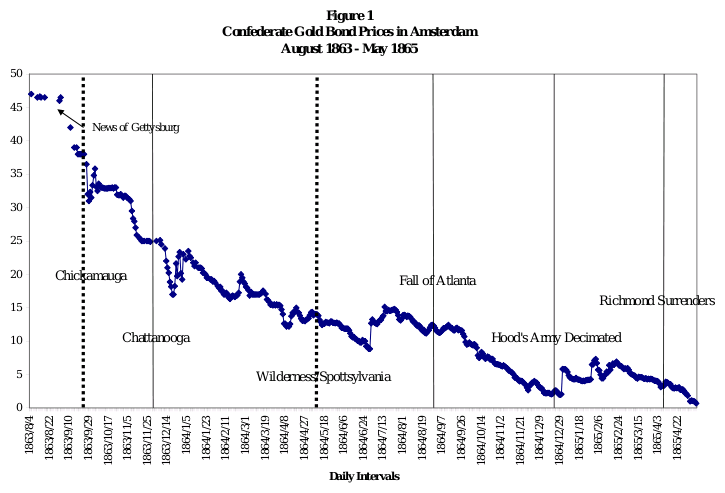
In the ever-evolving landscape of self-publishing, experimenting with pricing strategies can yield significant insights into consumer behavior and maximize sales potential. A systematic approach to testing various price points is essential for understanding how different pricing affects sales and reader engagement. This section will Artikel a structured plan for A/B testing various price points, the methodology for analyzing the results, and the inherent risks and rewards associated with altering book prices.
A/B Testing Different Price Points
Implementing an A/B testing strategy involves setting up experiments to compare two or more price points for your self-published book. The primary goal is to determine which price yields the highest revenue and optimal reader engagement.To initiate A/B testing, follow these steps:
1. Select Price Points
Choose at least two different price points for your book, ensuring they are distinct enough to yield measurable differences in sales. For instance, if your book is currently priced at $4.99, consider testing prices such as $2.99 and $5.99.
2. Define the Testing Period
Establish a specific timeframe for the experiment, typically ranging from one to four weeks. This duration allows sufficient data collection while accounting for market fluctuations and reader behavior.
3. Segment Your Audience
Split your audience into random, equal-sized groups to ensure that each group is exposed to a different price point. This segmentation helps eliminate biases that might skew the results.
4. Monitor Sales Data
During the testing phase, closely monitor sales data, including the number of units sold, revenue generated, and reader engagement metrics such as reviews and ratings.
5. Evaluate Results
After the testing period concludes, analyze the sales data and engagement metrics to determine which price point performed better.
Analyzing Results of Pricing Experiments
Analysis of the results from your A/B tests is crucial to informing future pricing strategies. Here’s how to effectively evaluate the outcomes:
1. Sales Comparison
Compare the total sales volume and revenue generated at each price point. This quantitative data is essential for assessing the financial impact of different pricing strategies.
2. Conversion Rates
Calculate the conversion rate for each price point by dividing the number of purchases by the total number of page visits or impressions. Higher conversion rates may indicate that the price resonates better with your audience.
3. Reader Engagement
Assess reader engagement metrics, such as the number of reviews and their average ratings. A price point that generates more positive reviews may suggest a better perceived value.
4. Profit Margins
Consider the profit margin at each price point by subtracting costs (like printing and distribution) from the revenue. A higher price may generate more revenue, but lower sales volume could affect overall profitability.
5. Long-term Trends
Look for patterns over time. Short-term fluctuations are common, but consistent trends will provide better insights for future pricing decisions.
Risks and Rewards of Changing Book Price
Adjusting your book’s price carries both potential risks and rewards that authors should carefully consider. Potential Rewards:
Increased Sales Volume
A lower price may attract more readers, especially if the book is new or if the target audience is price-sensitive.
Market Penetration
Competitive pricing can help penetrate new markets or demographic segments, broadening the reader base.
Improved Visibility
Lower prices can enhance visibility on platforms like Amazon, where algorithms often favor books with higher sales velocity. Potential Risks:
Perceived Value
Lowering the price may lead readers to question the book’s quality or value, potentially damaging your brand.
Revenue Loss
Significant price reductions could lead to a decrease in overall revenue, particularly if the sales volume does not compensate for the lowered price.
Expectation Setting
Once a price is reduced, it may be challenging to increase it again without alienating existing readers or creating confusion in the market.In conclusion, a strategic approach to experimenting with pricing can provide valuable insights and facilitate informed decision-making for self-published authors. By carefully testing and analyzing price points, authors can effectively navigate the complexities of book pricing and enhance their chances of success in a competitive marketplace.
Leveraging Promotions and Discounts
Promotional strategies and discounts are vital tools for self-published authors looking to increase visibility and drive sales of their books. By using these techniques effectively, authors can attract new readers and encourage purchases, particularly in a competitive marketplace. This section discusses various promotional strategies, techniques for planning discounts, and the effective use of social media to enhance pricing events.
Effective Promotional Strategies for Self-Published Books
Implementing promotional strategies can significantly enhance the reach of your self-published book. Below are several effective strategies to consider:
- Book Launch Events: Hosting a launch event can create buzz around your book. Consider virtual events to reach a wider audience.
- Giveaways and Contests: Running a giveaway can attract interest and encourage readers to share your book with their networks.
- Bundled Discounts: Offering discounts on a series of books or including complementary products can entice readers to purchase more.
- Limited-Time Offers: Creating urgency through time-sensitive offers can spur immediate purchases.
- Partnerships with Influencers: Collaborating with book bloggers or social media influencers can help promote your book to their established audiences.
- Newsletter Promotions: Utilizing your mailing list to announce special promotions ensures your most engaged readers are informed first.
Planning Limited-Time Discounts to Drive Sales
Limited-time discounts can be highly effective in generating immediate sales and increasing visibility. The following techniques can help in planning these discounts:
- Set Clear Objectives: Define what you hope to achieve with the discount, whether it’s to boost sales, increase readership, or gain reviews.
- Choose the Right Timing: Align discounts with events such as holidays, book fairs, or other relevant dates that may attract more attention.
- Promote in Advance: Announce the upcoming discount on your social media and mailing lists to build anticipation.
- Monitor Competitors: Keeping an eye on competitors’ pricing strategies can provide insights into market trends and help you decide your discount levels.
- Analyze Past Promotions: Reviewing the success of previous discounts helps inform future strategies and timing.
Using Social Media to Promote Pricing Events
Social media is a powerful platform for promoting pricing events and engaging with potential readers. Below are techniques for effective promotion through these channels:
- Create Engaging Content: Utilize visually appealing graphics, videos, and engaging text to capture attention. Consider creating countdowns to your discount events.
- Utilize Hashtags: Leveraging popular hashtags in your posts can increase visibility and reach new audiences who may be interested in your genre.
- Engage with Your Audience: Actively responding to comments and messages can foster community and encourage readers to participate in promotions.
- Run Sponsored Ads: Investing in social media advertisements can target specific demographics, maximizing the effectiveness of your promotional efforts.
- Collaborate with Fellow Authors: Engaging with other authors for cross-promotion can expand your reach and introduce your book to new readers.
International Pricing Considerations
Pricing a self-published book for international markets requires careful consideration of various factors that can impact both sales and profitability. Authors must navigate the complexities of differing economic conditions, cultural preferences, and competitive landscapes in each market. Developing a nuanced understanding of these factors can significantly influence pricing strategies and ultimately lead to higher sales in diverse regions.When pricing for international markets, authors should consider a range of factors, including local purchasing power, cultural attitudes toward spending, and existing competition.
Adjusting prices according to these considerations ensures that the book is accessible and appealing to the target audience.
Currency Conversion and Pricing Strategy
Currency conversion plays a critical role in international pricing strategies. Fluctuations in exchange rates can affect the perceived value of a book in different regions. Authors should be aware of the following aspects:
- Exchange Rate Variability: Exchange rates can fluctuate frequently, impacting the final price in local currencies. Authors should use reliable financial tools to track these changes and adjust prices accordingly.
- Local Market Currency: Pricing should be set in the local currency to avoid confusion for readers. For example, a book priced at $10 in the U.S. may need to be set around €9 in Europe, depending on the current exchange rate.
- Conversion Fees: Payment processors may charge conversion fees that can eat into profits. It is advisable to factor these costs into the pricing structure to maintain profitability across different markets.
Examples of Successful International Pricing Models
Successful authors have employed various international pricing models that have resulted in increased sales and market penetration. Here are notable examples:
- Localized Pricing: An author might price their digital book at $4.99 in the U.S., but adjust the price to £3.99 in the UK and ₹199 in India. This model considers local purchasing power and market expectations.
- Flat Pricing Across Regions: Some authors opt for a simplified flat pricing model, setting a single price across multiple countries. This approach is often used for digital format books where the price remains $9.99 regardless of location. This can simplify marketing efforts and reduce administrative overhead.
- Dynamic Pricing Strategies: Utilizing algorithms that adjust prices based on demand and competition in real-time has become increasingly popular. For instance, a self-published author might lower their book price during a promotional campaign in countries with lower sales to boost visibility and sales volume.
“Understanding local economic conditions and cultural preferences is key to successfully pricing your book in international markets.”
Long-Term Pricing Strategy
In the realm of self-publishing, establishing a long-term pricing strategy is paramount for sustained success. As markets evolve and reader preferences shift, regularly revisiting your pricing strategy enables you to adapt and maintain relevance. This proactive approach not only enhances sales but also ensures that your work remains competitive amid changing industry dynamics.A well-designed plan for ongoing market analysis and adjustments involves both qualitative and quantitative assessment methods.
Monitoring trends in your genre, analyzing competitors’ pricing, and gathering data on your book sales are essential components. Additionally, leveraging reader feedback can provide insights into perceived value and price sensitivity.
Importance of Revisiting Your Pricing Strategy
Regularly reviewing your pricing allows you to stay aligned with market conditions and reader expectations. This practice helps in identifying potential opportunities for adjustment based on sales performance and market shifts. The significance of this strategy can be summarized as follows:
- Market Relevance: Changes in reader preferences and industry standards necessitate a responsive pricing model to remain competitive.
- Sales Performance: Tracking sales data over time helps identify patterns that indicate whether your current price point is effective.
- Value Perception: Readers’ perceptions of value can shift, making it crucial to adapt your pricing to reflect the current market sentiment.
- Competitor Analysis: Understanding how your competitors are pricing their books can inform your own pricing decisions and help you maintain an edge.
Ongoing Market Analysis and Adjustments
To ensure your pricing remains effective, a systematic approach to market analysis is essential. This involves establishing a routine for reviewing relevant data and adjusting your prices accordingly. Key steps include:
- Market Research: Conduct regular research on market trends, reader demographics, and competitive pricing. Utilize tools such as Google Trends and industry reports to gather insights.
- Sales Monitoring: Regularly analyze your sales data to identify high and low-performing periods, and adjust pricing in response. Seasonal trends or emerging topics within your genre may necessitate price changes.
- Reader Feedback: Engage with your audience through surveys or social media to gauge their perceptions of your book’s value. Feedback can highlight whether a price adjustment is warranted.
- Testing Pricing Variations: Experiment with temporary price changes or promotions to evaluate how different prices affect sales volume. This can uncover optimal price points for maximizing revenue.
Maintaining a Competitive Edge
In a dynamic marketplace, maintaining a competitive edge requires ongoing vigilance and adaptability. Employing several strategies can enhance your pricing effectiveness:
- Differentiation: Clearly communicate what sets your book apart from others in the market. Highlight unique selling points that justify your pricing.
- Targeted Promotions: Utilize strategic discounts or bundles to attract new readers while maintaining overall profitability. Promotions can create urgency and stimulate interest in your work.
- International Pricing Strategies: Consider the global market by adjusting prices for different regions based on local purchasing power and competition.
- Regular Updates: Keep your pricing strategy current by reassessing it at least biannually. This reflects your commitment to staying responsive to market conditions.
Last Point
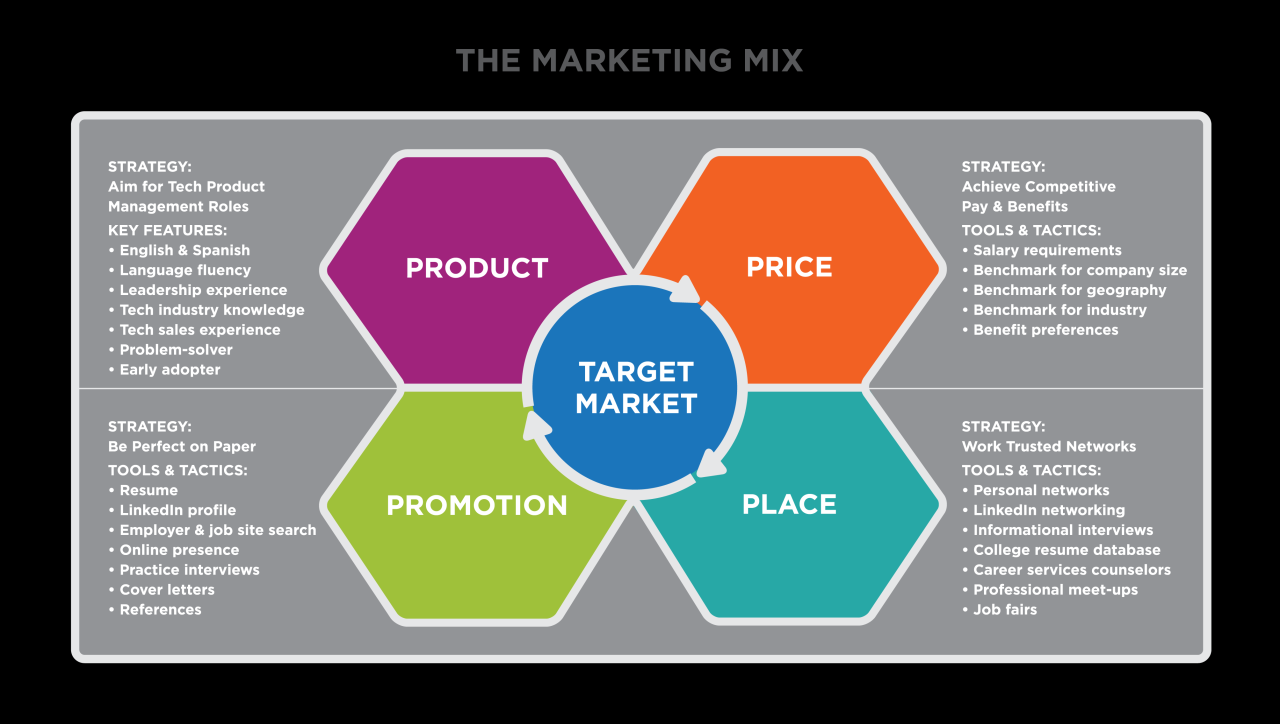
In conclusion, successfully pricing your self-published book requires ongoing analysis and adaptation to market changes. By implementing the strategies and insights discussed, you can navigate the complex landscape of book pricing while maximizing your sales potential. Regularly revisiting your pricing strategy in light of market trends and reader feedback will ensure your book remains competitively priced, fostering long-term success in your publishing journey.