How to Proofread Your Book Before Publishing is an essential guide for authors aiming to elevate their work to a professional level. The process of proofreading is not merely a final check; it is a critical stage that can significantly influence a book’s reception. By addressing errors and enhancing clarity, authors can improve reader satisfaction and minimize the risk of negative reviews.
This guide delves into the importance of proofreading, common errors to watch for, effective tools and techniques, as well as the steps involved in the proofreading process. Furthermore, it emphasizes the value of seeking professional help and incorporating peer feedback, ensuring that authors are well-equipped to present polished manuscripts ready for publication.
Importance of Proofreading
Proofreading is a crucial step in the publishing process that significantly impacts the overall quality of a book. It is the final opportunity for an author to refine and polish their manuscript, ensuring that errors and inconsistencies are rectified before it reaches readers. A well-proofread book not only reflects professionalism but also enhances the credibility of the author.The significance of proofreading extends beyond mere error correction; it plays a vital role in shaping reader perceptions and experiences.
A book with numerous mistakes may lead to negative reviews and diminish reader satisfaction. Research indicates that well-proofed manuscripts are likely to receive higher ratings and recommendations. A study by the Editorial Freelancers Association found that 70% of readers reported that typos or grammatical errors negatively influenced their enjoyment of a book, emphasizing the necessity of thorough proofreading.
Impact on Reader Satisfaction
The connection between proofreading and reader satisfaction is profound. A meticulously proofread book minimizes distractions caused by errors, allowing readers to engage more fully with the content. A seamless reading experience fosters a deeper emotional connection to the material, enhancing overall enjoyment. The following points Artikel the specific impacts of proofreading on reader satisfaction:
- Improved Clarity: Proofreading clarifies the author’s message, eliminating ambiguity that could confuse readers.
- Enhanced Credibility: A polished manuscript establishes the author’s reliability, encouraging readers to trust the content.
- Positive Reviews: Books free from errors are more likely to receive favorable reviews, boosting sales and reputation.
- Increased Word-of-Mouth Recommendations: Satisfied readers are more inclined to recommend books that are well-presented, expanding the author’s reach.
The benefits of proofreading are further underscored by statistics from a survey conducted by the Book Industry Study Group, which revealed that 82% of readers prefer books that are free of spelling and grammatical errors. This preference highlights the direct relationship between thorough proofreading and the likelihood of positive reader engagement.
“Proofreading is not just about finding mistakes; it’s about creating a seamless reading experience that resonates with the audience.”
The proactive approach of proofreading ultimately streamlines the publishing process, enhancing the manuscript’s quality and ensuring that the author’s voice is communicated effectively and professionally. By investing time in this essential step, authors can safeguard their work against the potential pitfalls of negative reviews, thereby fostering a dedicated and satisfied reader base.
Common Errors to Look For
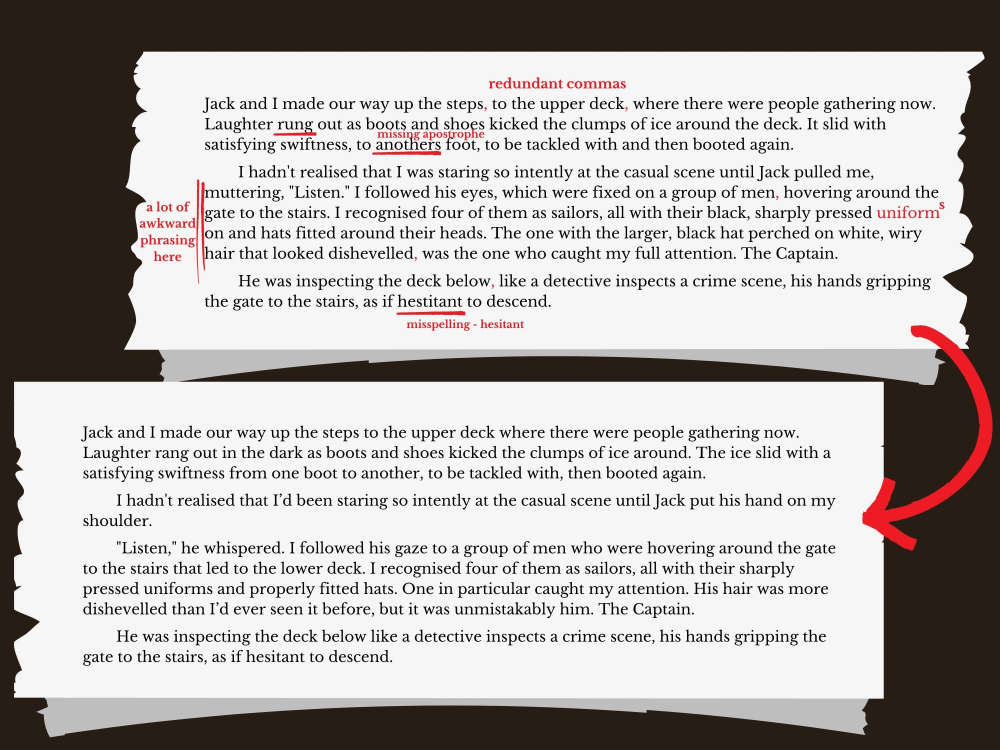
In the journey of preparing a manuscript for publication, proofreading stands as a crucial step. Many authors may overlook certain errors that can significantly detract from the overall quality of their work. Identifying these common mistakes can elevate a manuscript, ensuring it meets the professional standards expected by readers and publishers alike.Common grammatical mistakes often found in manuscripts include subject-verb agreement errors, inconsistent verb tenses, and misuse of homophones.
These errors can disrupt the flow of reading and lead to confusion. Additionally, formatting issues can also compromise the professionalism of a book. Inconsistent font styles, improper spacing, and misaligned text can distract readers, detracting from the narrative. Punctuation errors, such as misplaced commas or incorrect use of quotation marks, can further complicate comprehension.
Frequently Overlooked Grammatical Mistakes
Authors may find themselves falling into several common pitfalls when it comes to grammar. These mistakes often stem from oversight during the writing process. Here are some prevalent examples:
- Subject-Verb Agreement: A frequent error occurs when the subject and verb do not match in number. For instance, “The group of students are going on a trip” should read “The group of students is going on a trip.”
- Inconsistent Verb Tenses: Maintaining the same tense throughout a manuscript is vital. For example, switching from past to present within a narrative can confuse readers: “She walked to the store and buys apples” should be corrected to “She walked to the store and bought apples.”
- Homophone Misuse: Words that sound the same but have different meanings can lead to confusion. For example, using “their” instead of “there” can obscure the intended message.
Typical Formatting Issues
Formatting is essential for creating a polished manuscript. Inconsistent formatting can undermine the professionalism of a book. Common formatting errors include:
- Font Styles and Sizes: Inconsistencies in font type and size can disrupt the reader’s experience. For example, using Times New Roman for some chapters and Arial for others can be jarring.
- Line Spacing: Variations in line spacing, such as mixing single and double spacing within paragraphs, can create an unprofessional appearance.
- Margins: Incorrect margin settings can lead to text being cut off when printed, or create an uneven look on the page.
Punctuation Errors
Punctuation plays a critical role in clarifying meaning and ensuring smooth reading. Common punctuation errors include:
- Misplaced Commas: Incorrect use of commas can alter the meaning of a sentence. For example, “Let’s eat, Grandma!” vs. “Let’s eat Grandma!” highlights how a simple comma can change the context entirely.
- Quotation Marks: Failing to punctuate dialogue correctly can confuse readers. For instance, “He said he would come.” should be punctuated as “He said, ‘I will come.'” to clearly indicate the spoken words.
- Ellipses Misuse: While ellipses can indicate omitted text or a trailing off in thought, overuse can lead to ambiguity. For instance, “I was thinking… that maybe…” should be used sparingly to maintain clarity.
Tools and Techniques for Effective Proofreading
The process of proofreading is essential for ensuring a polished final product before publication. With the advancement of technology, numerous tools and techniques have emerged to assist authors in this critical phase. Employing the right tools can enhance the effectiveness of proofreading, allowing authors to focus on the content while minimizing errors and inconsistencies.Various proofreading tools and software are available to authors, catering to different needs and preferences.
These digital aids can significantly improve efficiency and accuracy in identifying mistakes. Some popular software options include grammar checkers, style guides, and dedicated proofreading applications.
Proofreading Tools and Software
Choosing the right proofreading tools can make a substantial difference in the quality of your manuscript. The following list includes some widely-used options:
- Grammarly: An advanced grammar and spell checker that provides real-time suggestions for improving sentence structure and style.
- ProWritingAid: A comprehensive tool that analyzes writing style, grammar, and readability, offering in-depth reports and suggestions.
- Hemingway Editor: A tool designed to improve clarity by identifying complex sentences and passive voice usage.
- Microsoft Word: The built-in spelling and grammar checker, along with features like Track Changes, makes it a convenient option for many authors.
- Google Docs: Offers collaborative editing features and real-time spelling and grammar suggestions, making it ideal for team projects.
In addition to digital tools, authors may opt for different methods of proofreading when working with printed versus digital formats. Each method has its unique advantages that can enhance the proofreading process.
Proofreading Methods for Printed and Digital Formats
When proofreading printed manuscripts, authors can engage in a tactile experience that often reveals errors that may be missed on a screen. Conversely, digital formats provide the convenience of quick edits and easy access to online tools. For printed proofreading, consider the following methods:
- Reading aloud: Hearing your text can help identify awkward phrasing and missed errors.
- Using a ruler or finger to track lines: This technique helps maintain focus and prevents skipping lines.
- Printing multiple drafts: Marking up a physical copy can highlight errors more effectively than on-screen editing.
For digital proofreading, the following techniques are beneficial:
- Utilizing digital tools: Software like Grammarly or ProWritingAid can provide instant feedback on errors.
- Changing font and background colors: Altering the appearance can help to see the text from a fresh perspective.
- Reading in different formats: Changing document formats (e.g., converting a Word document to PDF) can help spot layout and formatting issues.
Comparison of Handwriting Proofreading versus Digital Proofreading Approaches
Both handwriting and digital proofreading have their unique advantages, and understanding their differences can help authors choose the best method for their needs. The following table compares key features of each approach:
| Feature | Handwriting Proofreading | Digital Proofreading |
|---|---|---|
| Tactile Feedback | Engaging physically with the manuscript, allowing for a deeper connection | Less tangible, but allows for quicker corrections |
| Error Identification | Often reveals errors missed during digital editing due to focused attention | Instant feedback from software tools enhances error detection |
| Time Efficiency | May take longer due to manual marking and revision | Quick edits and automated suggestions expedite the process |
| Collaboration | More challenging to share and collaborate on handwritten notes | Easy to share documents and collaborate in real-time using cloud services |
| Visual Clarity | Handwritten notes may vary in readability depending on the author’s handwriting | Consistent formatting and clarity with digital documents |
Incorporating various tools and techniques into your proofreading process can elevate the quality of your work and prepare it for publication. By understanding the pros and cons of different methods, authors can make informed decisions that best suit their individual needs.
The Proofreading Process
The proofreading process is an essential stage in preparing a manuscript for publication. It serves as the final check to ensure that the text is polished and free from errors that could detract from the reader’s experience. Implementing a systematic approach will not only enhance the quality of your work but also make the proofreading task manageable and less overwhelming.A well-structured proofreading method comprises clearly defined steps, effective time management strategies, and a comprehensive checklist.
Following these guidelines ensures that no detail is overlooked and that authors can maintain focus throughout the proofreading phase.
Step-by-Step Approach for Proofreading
A systematic approach to proofreading involves several key steps that authors should follow. This process will help you identify and correct errors more effectively.
- Prepare Your Environment: Ensure you have a quiet, comfortable space free from distractions. Gather all necessary materials, including a printed copy of your manuscript and proofreading tools.
- Take a Break: After completing your manuscript, take a brief hiatus. This allows you to return to the text with fresh eyes, making it easier to identify errors.
- Read Aloud: Reading the text aloud can help you catch awkward phrasing and missed errors. This technique engages different cognitive processes compared to silent reading.
- Focus on One Element at a Time: When proofreading, concentrate on specific aspects, such as grammar, punctuation, and formatting. This targeted approach increases your chances of catching mistakes.
- Use Digital Tools: Employ grammar checkers and spell checkers to identify potential errors. However, remember that these tools are not foolproof; a human review is indispensable.
- Review Consistency: Ensure that your manuscript maintains consistent formatting, style, and terminology throughout. This includes checking headings, font sizes, and spacing.
- Seek Feedback: If possible, have a trusted friend or colleague review your work. A second pair of eyes can spot errors you might have overlooked.
Time Management Tips for Proofreading
Managing your time effectively during the proofreading process is crucial for maintaining productivity and focus. Below are strategies to help optimize your proofreading schedule.
Effective time management during proofreading allows for thoroughness without feeling rushed.
- Set a Schedule: Allocate specific time blocks dedicated solely to proofreading. Consistency helps you develop a routine and stay committed.
- Break it Down: Divide your manuscript into manageable sections, proofreading one section at a time. This prevents fatigue and enhances concentration.
- Limit Your Sessions: Avoid long, continuous proofreading sessions. Aim for shorter periods of focused work, followed by breaks to recharge your mind.
- Use a Timer: Consider using techniques like the Pomodoro Technique, working for 25 minutes followed by a 5-minute break to maintain your focus and stamina.
- Prioritize Tasks: Tackle the most critical sections first, such as the introduction and conclusion, which set the tone for your manuscript.
Proofreading Checklist
Having a checklist can streamline your proofreading efforts and ensure that you cover all necessary areas. Utilize the following checklist to assist in your proofreading process.
A thorough checklist helps ensure that no significant detail is overlooked during proofreading.
- Check for grammatical errors and sentence structure
- Review punctuation, including commas, periods, and quotation marks
- Verify spelling, especially of names and technical terms
- Ensure consistency in formatting, such as font styles and sizes
- Confirm that all headings and subheadings are formatted correctly
- Check for proper citation and referencing in line with style guides
- Review paragraph alignment and spacing for uniformity
- Ensure any images, tables, or illustrations are correctly labeled and referenced
Seeking Professional Help
Engaging the services of a professional proofreader can significantly enhance the quality of your manuscript. This step not only ensures that your work is polished and free from errors but also provides an objective perspective that you may overlook due to your familiarity with the text. A professional proofreader brings expertise, experience, and a keen eye for detail, making them an invaluable asset in the final stages of your book preparation.One of the primary benefits of hiring a professional proofreader is their ability to identify subtle errors and inconsistencies that may distract readers.
Additionally, they can help maintain the tone and style appropriate for your target audience, which can be particularly crucial in genres that demand a certain voice. Furthermore, professional proofreaders often possess industry knowledge that can help guide your manuscript towards meeting publishing standards.
Qualities of a Professional Proofreader
When selecting a professional proofreader, several important qualities should be considered to ensure that you choose the right individual for your project. These qualities can significantly impact the effectiveness of the proofreading process.
- Experience and Expertise: Look for proofreaders with a strong background in your specific genre or field, as familiarity with the subject matter enhances their effectiveness.
- Attention to Detail: A proficient proofreader must have an acute attention to detail, allowing them to catch typographical errors and inconsistencies that others may miss.
- Strong Communication Skills: Clear communication is essential for understanding your needs and providing constructive feedback on your manuscript.
- Professionalism: A professional proofreader should demonstrate reliability, meet deadlines, and maintain confidentiality regarding your work.
Questions to Ask Potential Proofreaders
Before making a hiring decision, it is crucial to ask potential proofreaders specific questions to assess their qualifications and compatibility with your project. This ensures that you find a proofreader who aligns well with your vision and standards.Begin by discussing their experience and approach to proofreading. Inquire about their familiarity with your genre and any previous projects that may be relevant.
Understanding their process can help gauge their thoroughness and methodology. Additionally, ask about their turnaround times and availability to accommodate your schedule.Consider the following questions to guide your discussion:
- What is your experience with proofreading manuscripts in my genre?
- Can you provide references or testimonials from previous clients?
- What specific proofreading techniques do you use to ensure accuracy?
- How do you handle feedback and revisions from authors?
- What are your rates, and how is payment structured?
“Hiring a professional proofreader is not merely an expense; it is an investment in the clarity and credibility of your work.”
Peer Reviews and Feedback
Establishing a peer review process for proofreading is an invaluable step in refining your manuscript before publication. Engaging fellow writers can provide fresh perspectives, enhance the clarity of your work, and ultimately lead to a more polished final product. This section will detail how to effectively set up a peer review process, the benefits of receiving feedback from fellow writers, and methods for incorporating that feedback into your manuscript.
Setting Up a Peer Review Process
Creating a structured peer review process begins with selecting suitable peers who are familiar with your genre and writing style. It is essential to choose individuals who can provide constructive criticism and thoughtful insights. Here are some steps to follow:
1. Select Your Peers
Reach out to fellow writers, critique group members, or colleagues in your writing community. Ensure they have experience and a genuine interest in your work.
2. Establish Guidelines
Clearly define what you need feedback on, such as plot development, character consistency, or overall structure. Providing specific questions can also help focus their reviews.
3. Set a Timeline
Agree on a reasonable timeframe for feedback. This ensures the process remains efficient while giving peers ample time to review your work thoroughly.
4. Create a Feedback Format
Decide whether you prefer written comments, annotated copies, or verbal discussions. A structured format can streamline the feedback process.
5. Foster an Open Environment
Encourage honesty and transparency in feedback. A constructive dialogue can significantly enhance the review experience.
Advantages of Receiving Feedback
Feedback from fellow writers offers multiple benefits that contribute to the overall quality of your manuscript. Engaging with peers provides insights that may not be evident during self-revision. Consider the following advantages:
- Fresh Perspectives: Peers can identify areas of confusion or ambiguity that you may overlook after reading your draft multiple times.
- Constructive Criticism: Fellow writers understand the challenges of writing and can provide balanced critiques, focusing on strengths and areas for improvement.
- Motivation and Support: Engaging in a peer review process fosters a sense of community, offering encouragement and accountability to keep you on track with your writing goals.
- Networking Opportunities: Building connections with other writers can lead to future collaborations and support within the writing community.
Incorporating Peer Feedback
Once you have gathered feedback from your peers, the next step is to thoughtfully incorporate their insights into your manuscript. Understanding how to effectively utilize their comments can enhance your work. Here are some strategies:
1. Review Feedback Objectively
Approach the feedback with an open mind. Consider each comment and suggestion carefully, whether you agree or disagree with it.
2. Prioritize Areas for Change
Identify common themes or issues highlighted by multiple reviewers. Addressing these areas first can lead to significant improvements.
3. Make Incremental Changes
Implement changes gradually, focusing on one section or aspect at a time. This method allows you to maintain clarity in your writing while revising.
4. Communicate with Peers
If you require clarification on any feedback, do not hesitate to reach out to your reviewers. Engaging in discussions can deepen your understanding of their perspectives.
5. Document Revisions
Keep track of changes made in response to feedback. This record can help you reflect on your writing process and the evolution of your manuscript.
“Feedback is the breakfast of champions.”
Ken Blanchard
Finalizing the Manuscript
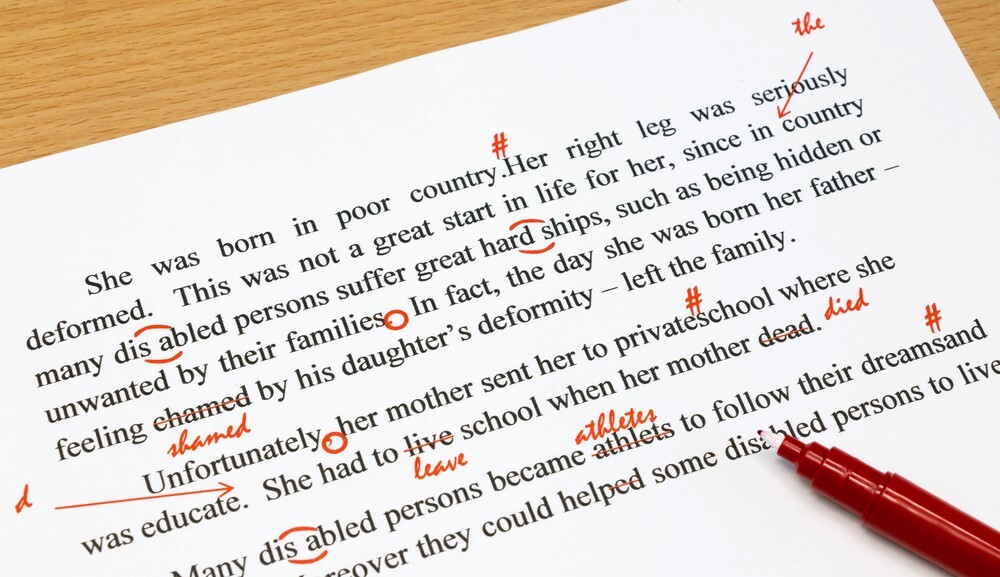
The process of finalizing your manuscript is crucial to ensure that your work is polished and ready for publication. After completing the proofreading stage, several steps should be taken to prepare your manuscript effectively. This stage not only solidifies your written work but also enhances its overall presentation and marketability.
Steps to Prepare the Manuscript for Publication
Once you have finished proofreading, the next step involves several key actions that will prepare your manuscript for publishing. These actions ensure that the formatting, structure, and content are all aligned with industry standards.
- Formatting the Manuscript: Ensure that your manuscript adheres to the specific formatting guidelines set by your chosen publisher or self-publishing platform. This includes proper margins, font types, and spacing. Typically, manuscripts should be in a standard font like Times New Roman or Arial, size 12, with double-spaced lines.
- Creating Front and Back Matter: Include essential elements such as a title page, copyright page, acknowledgments, table of contents, and index if applicable. These components add professionalism to your manuscript.
- Consolidating Feedback: If you have received feedback from beta readers or professional editors, make sure to incorporate relevant suggestions to enhance your manuscript further.
- Preparing for Different Formats: Depending on your publication route, consider how your manuscript will appear in print versus digital formats. Each may require different considerations for layout and design.
- Finalizing Cover Design: Collaborate with a designer to create a compelling book cover that reflects the content and appeals to your target audience. The cover is often the first impression readers will have of your book.
Importance of a Final Read-Through
Conducting a final read-through of the manuscript is an essential step before submission or printing. This read-through serves as a last opportunity to catch any lingering errors or inconsistencies that may have been overlooked.
“A final read-through not only ensures accuracy but also helps to gauge the flow and coherence of the narrative.”
During this stage, pay attention to the following aspects:
- Read Aloud: Reading the text aloud can help identify awkward phrasing and improve the overall rhythm of the writing.
- Check Page Numbers and Layout: Ensure that all pages are numbered correctly and that the layout remains consistent throughout the document.
- Verify Citations and References: Double-check that all citations are accurate and formatted according to the required style guide.
- Assess the Overall Experience: Consider the reader’s perspective and assess whether the manuscript is engaging and flows logically from one section to another.
Conclusive Thoughts
In conclusion, mastering the art of proofreading is vital for authors who aspire to publish their work successfully. By implementing the strategies discussed, from identifying common errors to utilizing professional resources, writers can ensure their manuscripts are not only error-free but also engaging and ready for their audience. The final read-through serves as an opportunity to solidify confidence in the work, paving the way for a successful launch into the literary world.