How to Revise Your First Draft Without Getting Overwhelmed is a crucial skill for every writer, as the revision process transforms initial ideas into polished pieces of work. The act of revising can often feel daunting, but understanding its importance and having a structured approach can make it not only manageable but also enjoyable.
This guide will explore the essential steps of the revision process, from recognizing common pitfalls to organizing your work effectively. By breaking down the elements of content, structure, language, and feedback, writers can enhance their drafts without succumbing to feelings of being overwhelmed.
Understanding the Revision Process
Revising a first draft is a critical component of the writing process. It allows writers to refine their ideas, enhance clarity, and improve overall quality. Through revision, authors transform their initial thoughts into polished narratives that effectively communicate their intended message. Understanding the nuances of this process is essential for achieving a successful final product.The importance of revising a first draft cannot be overstated.
It serves as an opportunity not only to correct errors but also to enhance the structure, flow, and depth of the writing. Many writers encounter common pitfalls during revision that can hinder their progress. These challenges may include losing sight of the original message, becoming overly attached to specific phrasing, or feeling overwhelmed by the sheer amount of changes required.
To navigate these obstacles, writers must adopt a constructive mindset that fosters confidence and resilience.
Common Pitfalls in Revision
Writers often face specific challenges during the revision stage that can impede their ability to produce a refined piece. Recognizing these pitfalls is the first step towards overcoming them. Key issues include:
- Over-editing: Writers may become so focused on minor details that they lose sight of the bigger picture, stifling creativity in the process.
- Perfectionism: A desire for perfection can lead to endless cycles of revision, making it difficult to finalize the work.
- Emotional Attachment: Writers may struggle to cut or modify sections they have become attached to, even when they detract from the overall quality.
- Neglecting Structure: Focusing primarily on content changes can result in a lack of attention to the organization and flow of the piece.
To approach revision with confidence, writers should cultivate a mindset that embraces constructive criticism and sees revision as an integral part of the creative process. It is important to remember that a first draft is simply a foundation; the true art lies in reshaping and refining that foundation into a cohesive and compelling work.
“Revision is not just about correcting mistakes; it is about re-envisioning the entire piece.”
Employing strategies such as setting specific revision goals, taking breaks between drafts, and seeking external feedback can empower writers to navigate this phase with clarity and purpose. By understanding the revision process and its associated challenges, writers can enhance their ability to produce meaningful and impactful narratives.
Organizing Your Revision
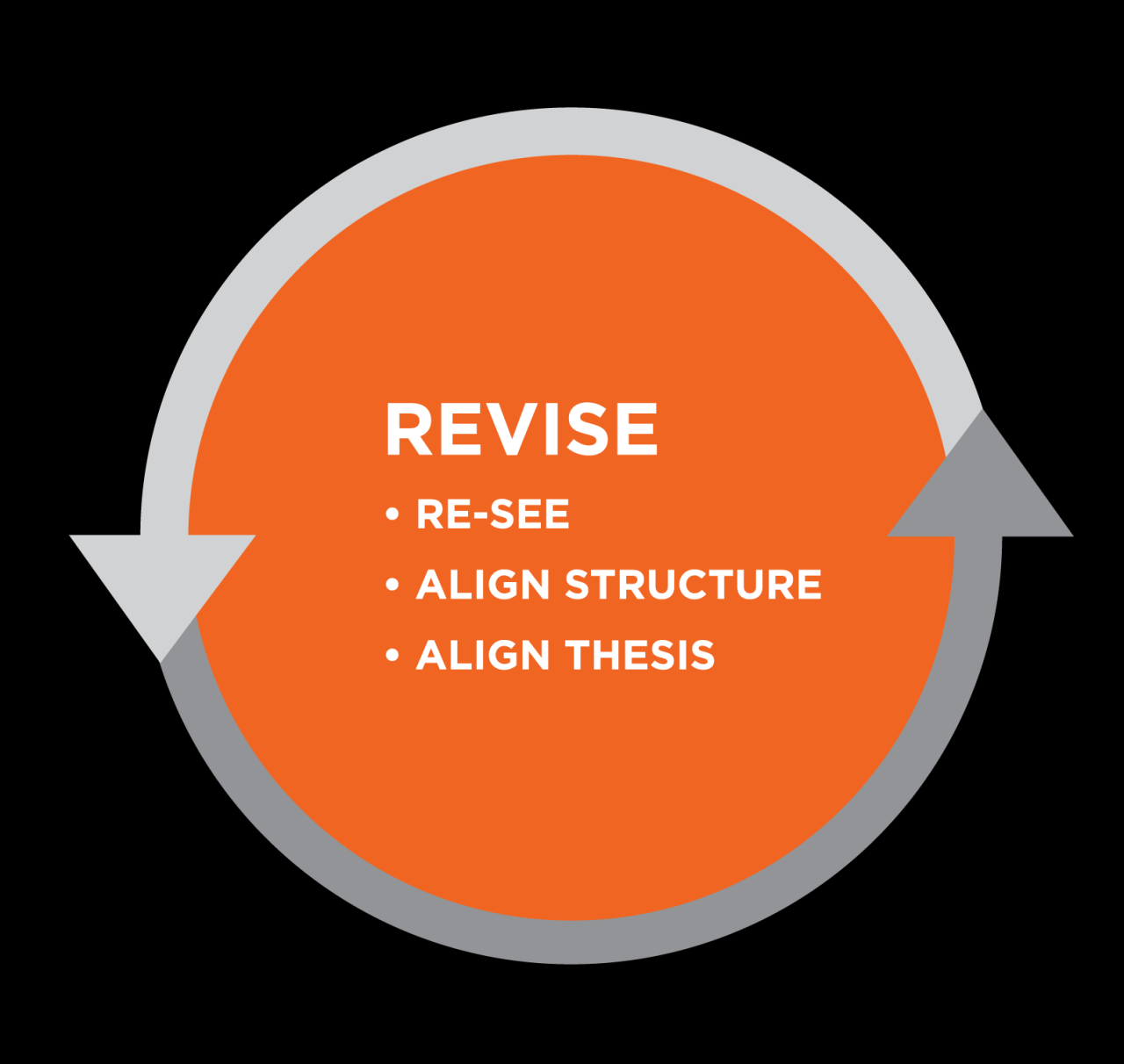
A well-structured approach to revising your first draft is essential in order to avoid feelings of overwhelm. By creating a clear plan and organizing your tasks, you can navigate the revision process more effectively. This section will provide you with strategies for breaking down your revision into manageable sections, as well as tips for setting realistic goals and deadlines.
Creating a Revision Plan
Establishing a structured plan for your revision is crucial for maintaining focus and clarity throughout the process. A comprehensive revision plan typically includes the following components:
- Identify Key Areas for Improvement: Begin by reading your first draft thoroughly and noting sections that require significant changes. Focus on aspects such as clarity, coherence, and argument strength.
- Prioritize Changes: Organize the identified areas in order of importance. This helps you tackle the most critical issues first, ensuring your revision efforts yield the greatest impact.
- Allocate Time for Each Section: Assign specific time slots for each section of your draft that needs revision. This method can prevent procrastination and help maintain momentum throughout the process.
- Track Your Progress: Use a checklist or a revision journal to document the changes you’ve made. This not only provides a sense of accomplishment but also helps you stay organized.
Breaking Down Your Revision
To make the revision process less daunting, it is beneficial to break it down into smaller, manageable sections. This can be achieved through the following methods:
- Chunking: Divide your draft into smaller sections, such as paragraphs or scenes, and focus on revising one chunk at a time. This allows for concentrated attention on specific areas without feeling overwhelmed.
- Focus on Different Aspects in Each Pass: Consider separating your revisions into multiple passes, where each pass targets a specific aspect such as structure, dialogue, or character development. This targeted approach ensures that you can dedicate appropriate attention to each component.
- Set Mini Goals: Instead of overwhelming yourself with grand objectives, create mini goals for each revision session. For example, aim to revise two pages or a specific chapter in a given timeframe.
Setting Realistic Goals and Deadlines
Establishing realistic goals and deadlines is vital for maintaining your momentum and motivation throughout the revision process. Here are some strategies to consider:
- Assess Your Available Time: Evaluate your schedule to determine how much time you can realistically dedicate to revision. This will help you set achievable deadlines.
- Use the SMART Criteria: Ensure your goals are Specific, Measurable, Achievable, Relevant, and Time-bound. For instance, instead of saying “I will revise my draft,” specify “I will revise Chapter 3 by Friday.”
- Be Flexible: Allow for adjustments in your deadlines as needed. Sometimes, a particular section may require more time than anticipated, and flexibility can help you manage stress.
“Consistent, small steps often lead to significant improvements over time, making the revision process more manageable and less stressful.”
Focusing on Content and Structure
Revising the first draft involves a critical evaluation of both the content and the structure of your work. This stage is crucial as it allows the writer to identify areas that need clarification or restructuring. By concentrating on content and flow, writers can enhance the reader’s experience, ensuring that arguments are coherent and effectively articulated.A significant aspect of evaluating content is to determine how well the material presents and supports the central thesis.
This involves assessing the logical progression of ideas and ensuring that each argument is backed by sufficient evidence. To ensure coherence and clarity of arguments, writers can utilize various techniques, including peer feedback, reading aloud, and utilizing revision checklists.
Evaluating Overall Content and Flow
A thorough evaluation of overall content and flow is essential for creating a cohesive piece. This evaluation aids in identifying gaps in the narrative or logical inconsistencies that can confuse readers. The following techniques can be beneficial in this assessment:
- Peer Feedback: Having another person read your work can provide fresh perspectives on clarity and flow. Peers may point out areas that lack coherence or require more elaboration, which can be invaluable in the revision process.
- Reading Aloud: Hearing your writing can highlight awkward phrasing, repetitive ideas, or unclear arguments. This auditory approach often reveals issues not readily visible on the page.
- Checklists: Utilizing revision checklists specific to content and structure can help ensure all critical aspects are addressed. Items might include checking for the presence of topic sentences, transitions, and supporting details.
Assessing Coherence and Clarity of Arguments
Coherence and clarity are paramount for effective communication of ideas. To assess these elements, writers should focus on the following strategies:
- Topic Sentences: Ensure each paragraph begins with a strong topic sentence that clearly states the main idea. This provides readers with a roadmap, guiding them through the argument.
- Transitions: Use transitional phrases to connect ideas between sentences and paragraphs. This helps maintain flow and reinforces the relationship between different points.
- Evidence Support: Analyze whether each claim is sufficiently supported by evidence. If an argument lacks backing, it may lead to confusion and weaken the overall narrative.
Reorganizing Sections or Paragraphs
Reorganizing content can significantly enhance readability and overall impact. If certain sections feel disjointed or out of sequence, a careful restructuring may be necessary. The following approaches can aid in this process:
- Grouping Similar Ideas: Collect related arguments or themes together. This not only improves cohesion but also allows readers to easily follow the flow of thought.
- Logical Order: Arrange paragraphs in a logical order that builds upon previous points. This technique ensures that each idea naturally leads into the next, creating a smoother reading experience.
- Breaking Up Dense Text: If a particular section feels overwhelming, consider breaking it up into smaller paragraphs or even bullet points. This can make complex information more digestible for the reader.
“Reorganizing your content not only clarifies your arguments but also enhances the reader’s engagement with your work.”
Polishing Language and Style

The language and style of your writing play a crucial role in conveying your message effectively. As you revise your first draft, focusing on the clarity, coherence, and engagement of your writing will greatly enhance its overall quality. This section will provide strategies for refining word choice and sentence structure, eliminating unnecessary jargon, and ensuring your tone aligns with your intended audience.
Improving Word Choice and Sentence Structure
Selecting the right words and constructing well-formed sentences are essential for effective communication. To enhance your writing, consider the following strategies:
- Use precise language: Choose specific words that convey your message clearly and accurately. For instance, instead of using the word “good,” opt for more descriptive alternatives such as “excellent,” “effective,” or “beneficial,” depending on the context.
- Vary sentence length: A mix of short and long sentences can create a more dynamic reading experience. Short sentences can emphasize key points, while longer ones can provide detailed explanations.
- Avoid passive voice: Active voice generally makes sentences stronger and more direct. Instead of “The report was completed by the team,” use “The team completed the report.”
Eliminating Unnecessary Jargon and Fluff
In academic and professional writing, clarity is paramount. Excessive jargon or fluff can obscure your message and alienate your readers. To streamline your writing, consider these approaches:
- Identify jargon: Recognize terms that may not be familiar to your audience. Replace these with simpler alternatives or provide brief explanations when necessary.
- Cut unnecessary words: Eliminate filler words and phrases that do not add value to your writing. For example, instead of saying “due to the fact that,” simply use “because.”
- Focus on the main idea: Each paragraph should support a central theme. Remove any tangential information that distracts from the primary argument or narrative.
Ensuring Appropriate Tone for Your Audience
The tone of your writing must resonate with your target audience to enhance engagement and understanding. To achieve this, consider the following methods:
- Know your audience: Tailor your language and style to suit the demographics and preferences of your readers. A formal tone may be appropriate for academic writing, while a conversational tone may work better for blog posts.
- Match the level of formality: Adjust your word choice and sentence structure to reflect the expected level of professionalism. For instance, use technical language in a research paper, but opt for simpler terms in a casual article.
- Incorporate feedback: Sharing your writing with peers or mentors can provide valuable insights into how your tone is perceived. Use their feedback to make necessary adjustments.
“Clarity and precision in language are the cornerstones of effective writing.”
Utilizing Feedback Effectively

Gathering constructive feedback is an essential component of the revision process. Feedback provides valuable insights that can enhance your writing, helping to identify areas for improvement that you may overlook. Successful revision hinges on your ability to collect, assess, and incorporate this feedback while maintaining your unique voice and style.
Gathering Constructive Feedback
To gather constructive feedback, it is important to engage with peers or mentors who have a strong understanding of writing and your specific genre. Consider the following methods for effective feedback collection:
- Establish clear expectations: Communicate what aspects of your draft you would like feedback on, such as character development, plot coherence, or thematic depth.
- Choose the right audience: Select individuals who are familiar with your genre or have expertise in writing. Their insights will be more relevant and beneficial.
- Utilize feedback tools: Leverage platforms that facilitate peer review, such as writing groups, workshops, or online forums where you can share your work and receive critique.
Incorporating Feedback Without Losing Your Voice
While feedback is invaluable, it is crucial to integrate it in a way that preserves your unique voice and style. Here are strategies to achieve this balance:
- Filter feedback: Evaluate each piece of feedback critically. Determine whether it aligns with your vision for the project and prioritize suggestions that resonate with your narrative intent.
- Blend suggestions with your voice: When implementing feedback, consider how to adapt the suggestions to fit your style. This might involve rephrasing or reinterpreting the feedback to maintain your writing’s integrity.
- Seek consensus: If multiple reviewers provide similar feedback, it may indicate a necessary change, but always trust your instincts. Retain elements that feel authentic to you.
Prioritizing Feedback Based on Relevance and Impact
Not all feedback holds the same weight, and prioritizing it is essential to streamline the revision process. To effectively prioritize feedback, consider these criteria:
- Relevance to your goals: Focus on feedback that directly addresses the areas you wish to improve. Assess its relevance to your core themes and objectives.
- Impact on overall narrative: Identify feedback that could significantly alter the quality of your draft. For instance, suggestions that enhance character depth or clarify key plot points should take precedence.
- Feasibility of changes: Evaluate the practicality of implementing feedback. Some suggestions may require extensive rewrites, while others can be easily integrated into your existing framework.
“Effective feedback is like a compass; it guides you toward a clearer vision of your writing while allowing your authentic voice to shine through.”
Finalizing Your Revision
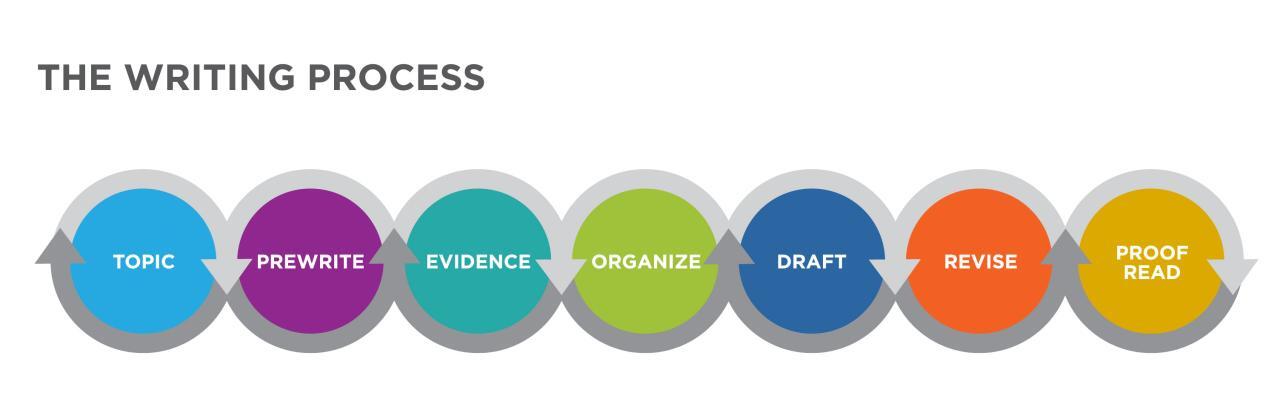
The final stages of revising a manuscript are crucial in ensuring that your work is polished and ready for submission. This phase involves careful scrutiny of your writing to enhance clarity, coherence, and overall quality. By adhering to a structured approach, you can efficiently finalize your draft without succumbing to overwhelm.Establishing a checklist for final edits is an effective way to ensure that you cover all necessary aspects of your manuscript.
This checklist can serve as a guide that helps prevent overlooking critical elements during the revision process.
Checklist for Final Edits Before Submission
Creating a checklist can streamline your final review and minimize the risk of errors. Here are vital components to include in your checklist:
- Ensure that the central thesis is clearly articulated and supported throughout the manuscript.
- Verify that all sections are logically organized, with smooth transitions between paragraphs.
- Check for consistency in terminology and formatting, including headings and subheadings.
- Confirm that citations are complete and adhere to the required style guide.
- Eliminate any redundancies and ensure clarity in language.
- Proofread for spelling, grammar, and punctuation errors.
Engaging in a meticulous proofreading process is vital for catching errors or typos that may have slipped through earlier revisions.
Strategies for Proofreading to Catch Errors or Typos
Effective proofreading involves a combination of techniques that can enhance your ability to identify mistakes:
- Read the manuscript aloud. Hearing the text can help you catch awkward phrasing and grammatical errors.
- Print the document. Reviewing a physical copy often makes errors more noticeable than on a screen.
- Change the font or background color. Altering the appearance of your text can create a fresh perspective that aids in spotting mistakes.
- Use digital tools. Leverage grammar and spell-check software as an initial filter, but don’t rely solely on them.
- Take breaks before proofreading. Stepping away from your work for a while can provide the necessary distance to view your writing more objectively.
Incorporating breaks between revisions is essential for gaining perspective on your work.
Importance of Taking Breaks Between Revisions
Taking breaks allows your mind to reset and can significantly enhance the quality of your revisions. When you return to your manuscript after a pause, you are likely to approach it with a fresh mindset, making it easier to identify areas that need improvement.
- Short breaks can help alleviate mental fatigue, allowing you to maintain focus and energy during the revision process.
- Longer breaks give you time to reflect on your work, leading to deeper insights into its strengths and weaknesses.
- Engaging in different activities during breaks can stimulate creativity and inspire new ideas for enhancing your manuscript.
In summary, finalizing your revision involves a systematic approach that includes a thorough checklist, effective proofreading strategies, and the strategic use of breaks to gain perspective on your writing. By following these steps, you can confidently prepare your manuscript for submission.
Final Conclusion
In conclusion, embracing the revision process is integral to any writing endeavor, and with the right strategies in place, it can be a rewarding experience. By focusing on content clarity, language refinement, and incorporating feedback, writers will find themselves equipped to elevate their drafts to new heights. Remember, taking breaks and approaching revisions with a fresh perspective can lead to greater insights and a more polished final product.