The Three-Act Structure stands as a cornerstone in storytelling, providing a framework that guides writers in crafting compelling narratives. This structure, with its origins rooted in ancient storytelling traditions, delineates a clear pathway through which characters evolve and conflicts unfold. Understanding its key components not only enhances the storytelling process but also allows it to be adapted across various genres, making it an invaluable tool for writers.
In this discourse, we shall explore the intricacies of the Three-Act Structure, examining the critical elements of each act. From establishing the setup and building tension during the confrontation to delivering a satisfying resolution, each phase plays an essential role in developing an engaging plot. Furthermore, we will delve into character arcs that intertwine seamlessly with this structure, ensuring that both plot and character growth resonate with the audience.
Introduction to the Three-Act Structure
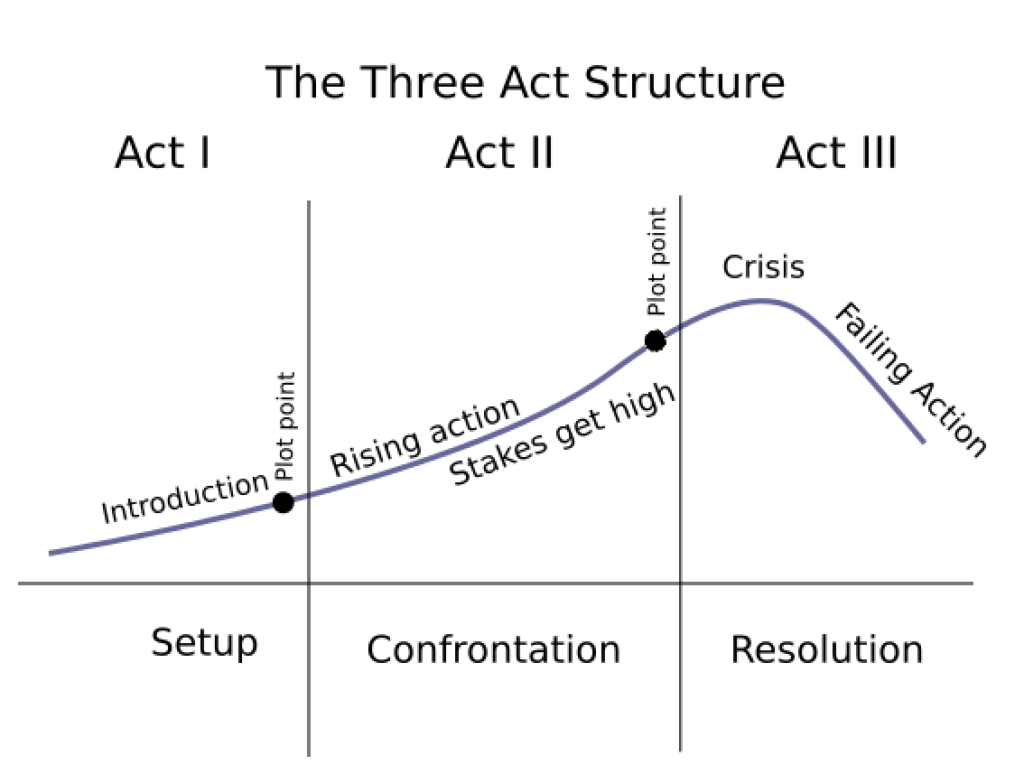
The Three-Act Structure is a foundational framework in storytelling, with origins tracing back to ancient Greek drama. Its significance lies in its ability to provide a clear narrative arc that resonates with audiences across different cultures and eras. This structure organizes a story into three distinct acts: Setup, Confrontation, and Resolution, each serving a specific purpose in the development of the plot and characters.The key components of each act are integral to guiding the narrative flow.
The first act, Setup, introduces the main characters, the setting, and the central conflict. The second act, Confrontation, escalates the tension as characters face obstacles and challenges, leading to a climax. Finally, the third act, Resolution, resolves the conflict and ties up loose ends. This structure is versatile and applies to various genres, from drama and romance to action and science fiction, allowing for both traditional and innovative storytelling approaches.
Key Components of Each Act
Understanding the specific components of each act is crucial for effective storytelling. Each act serves a purpose that contributes to the overall narrative structure:
1. Setup (Act 1)
Introduces the protagonist and supporting characters.
Establishes the setting and context.
Presents the inciting incident that propels the story forward.
2. Confrontation (Act 2)
Develops the central conflict through various challenges.
Explores subplots and character development.
Leads to a climax where tensions reach their peak.
3. Resolution (Act 3)
Provides closure to the narrative arc.
Resolves primary and secondary conflicts.
Offers insight into the future of the characters.
The Three-Act Structure enables writers to build a compelling narrative that captivates audiences by balancing character development and plot progression.
This structure’s application across genres highlights its universal appeal. For instance, in action films, the setup introduces a hero and their mission, the confrontation presents escalating threats, and the resolution often concludes with a triumphant victory. In romance, the setup establishes the relationship dynamics, the confrontation showcases obstacles to love, and the resolution culminates in emotional fulfillment. Thus, mastering the Three-Act Structure equips storytellers with a powerful tool to craft engaging and memorable narratives.
Act One: Setup
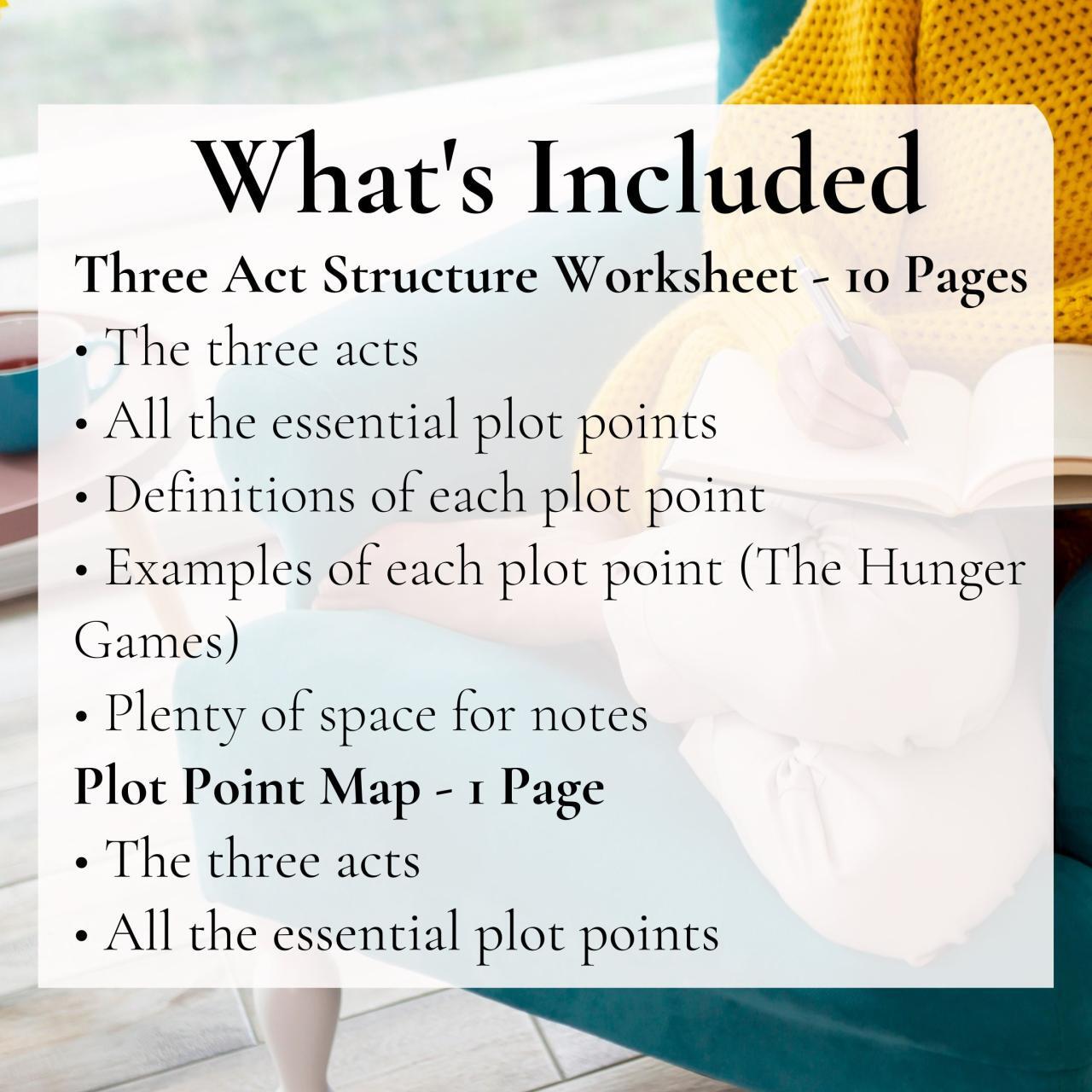
The first act of a story is crucial as it lays the foundation for the entire narrative. It introduces the characters, establishes the setting, and presents the main conflict that will drive the plot forward. This act is essential not only for engaging the audience but also for providing them with the context necessary to understand the unfolding events. In this act, the author must carefully craft the environment in which the characters inhabit.
This can include details about the time period, location, and prevailing atmosphere. Additionally, it is important to introduce the protagonist in a way that allows the audience to connect with them emotionally. Establishing the main conflict early on is vital, as it sets the stakes and engages the audience’s interest in the outcome of the story.
Elements of the Setup
To effectively set the scene and introduce characters, several key elements should be incorporated:
1. Character Introduction
Introduce the protagonist and key supporting characters, highlighting their motivations, relationships, and unique traits. This builds empathy and interest.
2. Setting the Scene
Describe the time and place of the story, providing sensory details that immerse the audience in the environment.
3. Conflict Introduction
Clearly present the main conflict or problem facing the protagonist, establishing the stakes involved.
4. Inciting Incident
Include an event that changes the protagonist’s normal world and propels them into the main action of the story.These elements work together to create a compelling narrative that captures the audience’s attention.
Examples of Effective Setups
The following table showcases memorable examples of effective setups in popular stories, illustrating how each element of the setup is employed.
| Story | Setup Elements |
|---|---|
| The Hunger Games by Suzanne Collins | Introduces Katniss Everdeen in a dystopian setting, reveals her struggles in District 12, and presents the threat of the Hunger Games as the main conflict. |
| Harry Potter and the Sorcerer’s Stone by J.K. Rowling | Introduces Harry’s life with the Dursleys, describes the magical world, and reveals the arrival of his acceptance letter as the inciting incident. |
| Pride and Prejudice by Jane Austen | Introduces Elizabeth Bennet, her family dynamics, and sets up societal expectations for marriage as the underlying conflict. |
| The Great Gatsby by F. Scott Fitzgerald | Establishes Nick Carraway’s perspective, describes the opulence of the 1920s, and hints at Gatsby’s mysterious past and desires as the main conflict. |
Act Two: Confrontation
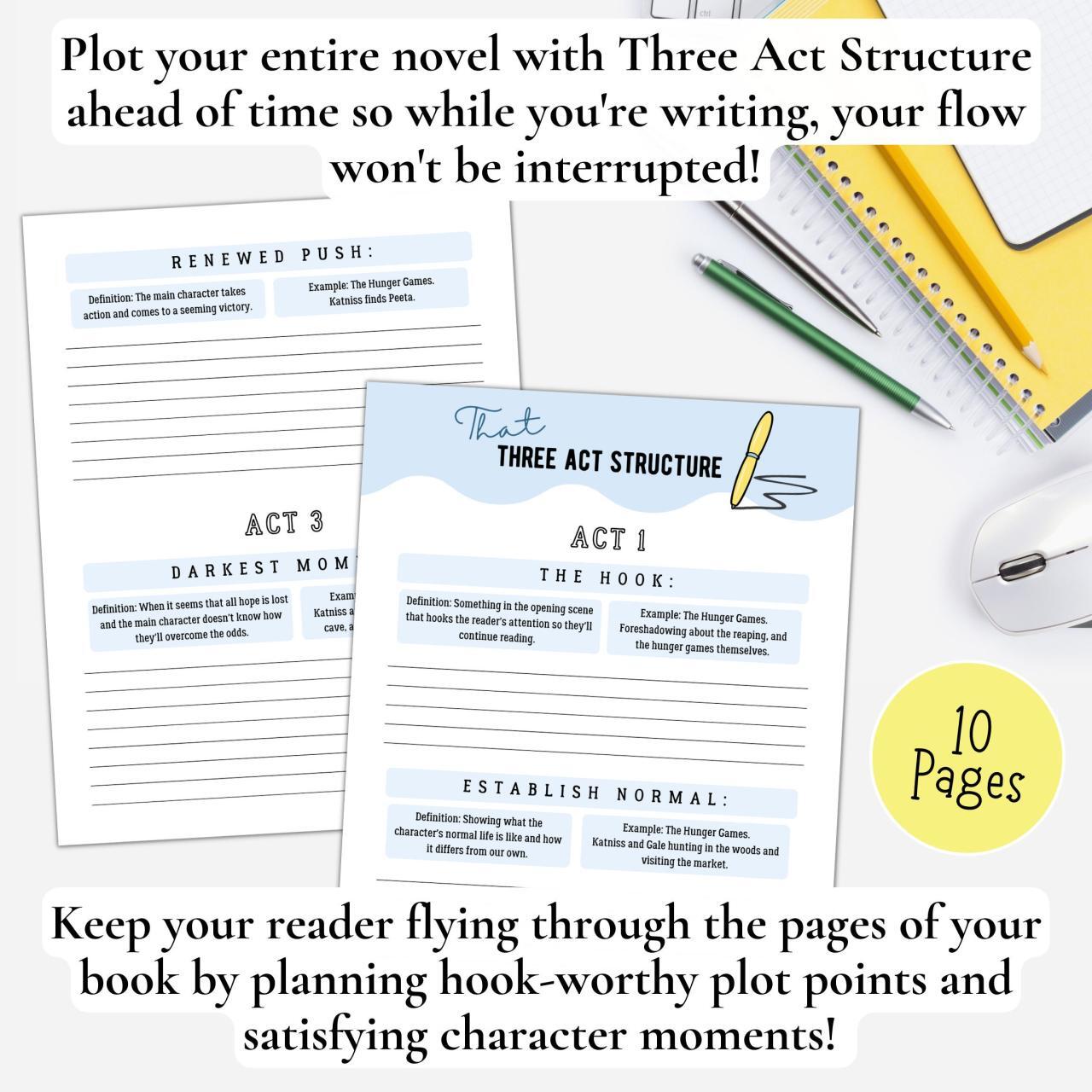
The second act of a story, often referred to as the “Confrontation” phase, is where the narrative truly begins to unfold. This act serves as the heart of any plot, filled with complications and rising action that not only challenges the protagonist but also reveals deeper layers of character development. It is a transformative period that escalates the stakes and builds tension, ultimately leading to the climax of the narrative.In this pivotal section, character development plays a crucial role.
Characters are pushed to their limits, facing obstacles that test their resolve and force them to evolve. This act is about conflict—be it external conflict against antagonistic forces or internal conflict within the characters themselves. As a writer, understanding how to escalate these challenges while maintaining character growth is essential for keeping the audience engaged and invested in the storyline.
Importance of Subplots
Subplots are vital tools in enhancing the main storyline, providing depth and complexity to the narrative while also allowing for character exploration. Effective subplots can mirror or contrast the main plot, enriching the audience’s understanding of the characters and their motivations. Here are methods to create compelling subplots:
Character Relationships
Develop subplots that explore relationships between characters. These can reveal hidden motivations and create emotional stakes.
Parallel Conflicts
Introduce secondary conflicts that reflect the main conflict thematically or situationally. This can create a sense of unity within the narrative.
Backstory Exploration
Use subplots to delve into characters’ pasts, providing context that shapes their present actions and decisions.
B-Story Dynamics
Incorporate a B-story that contrasts with the main plot, offering comic relief or a different perspective that enhances the primary theme.To illustrate the concept of confrontation effectively, here are notable examples from well-known films and literature that showcase successful confrontations:
- The Lord of the Rings: The Two Towers
-The confrontation between the Fellowship and Saruman’s forces escalates as tensions rise and alliances are tested, highlighting themes of friendship and sacrifice. - Harry Potter and the Goblet of Fire
-Harry faces multiple confrontations, including the Triwizard Tournament challenges, which test his bravery and moral integrity, deepening his character arc. - The Hunger Games
-Katniss Everdeen navigates the treacherous landscape of the arena while confronting both physical threats and her own convictions, showcasing growth under pressure. - Pride and Prejudice
-Elizabeth Bennet’s confrontations with Mr. Darcy allow for significant character development, revealing underlying truths about societal expectations and personal biases. - The Shawshank Redemption
-Andy Dufresne’s confrontations with the prison system highlight resilience and the human spirit’s ability to overcome adversity, enriching the narrative’s themes of hope and redemption.
Act Three: Resolution
In the Three-Act Structure, Act Three serves as the culmination of the narrative, where conflicts reach their climax and resolutions are crafted. This act is crucial for delivering a satisfying conclusion that resonates with the audience. Effectively resolving conflicts and tying up loose ends not only enhances the storyline but also enriches the emotional experience for the viewer or reader.To effectively resolve conflicts and tie up loose ends, it is essential to address the main plot and subplots.
All character arcs should find closure, whether through triumph, tragedy, or transformation. This act should answer lingering questions and provide clarity to the audience, ensuring that they leave satisfied with the resolution. Tension built throughout the previous acts should be released in a manner that feels authentic and earned.
Techniques for Delivering Impactful Endings
Impactful endings elevate the narrative and leave an indelible mark on the audience. The following techniques can be employed to achieve a memorable conclusion:
1. Full Circle Resolution
Bringing the story back to its starting point can create a sense of completeness. This technique often emphasizes character growth and thematic unity.
2. Twist Ending
A surprising twist can leave the audience stunned and provoke thought. This technique works best when it feels organic to the story and doesn’t feel forced.
3. Emotional Resonance
Focusing on the emotional journey of the characters can create a strong connection with the audience. Endings that evoke strong feelings, whether joy, sadness, or reflection, are often the most memorable.
4. Open-Ended Resolution
Leaving some questions unanswered can provoke discussion and speculation among the audience. This technique suits stories aimed at fostering engagement and deeper thought.The above techniques should be employed thoughtfully to ensure they align with the overall narrative and character arcs.
Comparison of Approaches to Resolutions in Various Narratives
Different narrative structures approach resolutions with unique techniques, reflecting their themes and genre conventions. The following table Artikels several approaches to resolutions and their characteristics:
| Type of Resolution | Description | Example |
|---|---|---|
| Traditional Closure | All major conflicts are resolved, leaving no loose ends. | “The Lord of the Rings” concludes with the destruction of the One Ring and the return home. |
| Tragic Resolution | Key characters fail in their objectives, leading to a poignant ending. | “Romeo and Juliet” concludes with the death of both protagonists. |
| Bittersweet Resolution | Characters achieve some success, but not without sacrifices or losses. | “The Fault in Our Stars” ends with personal growth amid sadness. |
| Ambiguous Resolution | Leaves key questions unanswered, inviting interpretation. | “Inception” ends with an ambiguous spin, leaving the audience questioning reality. |
Each of these approaches caters to different storytelling goals and audience expectations, allowing writers to choose the most effective resolution style for their narrative.
Integrating the Three-Act Structure with Character Arcs
The seamless integration of character arcs with the Three-Act Structure is essential for creating a compelling narrative. As characters evolve throughout the story, their development must align with the overarching plot to ensure a cohesive and engaging experience for the audience. This integration allows for a deeper emotional resonance and connects viewers to the characters’ journeys, enhancing the overall storytelling.Character growth significantly influences plot progression, as the trials and tribulations faced by characters in each act of the story contribute to their transformation.
As characters confront obstacles, make choices, and experience setbacks, these elements propel the narrative forward. The intricacies of their development can be woven into the three acts, enriching the plot while maintaining a clear trajectory for character transformation.
Character Development and Its Role in the Three Acts
The character arcs within the Three-Act Structure serve to deepen the audience’s connection to the story. Each act provides opportunities for characters to face challenges that catalyze their growth. The interplay between character development and plot advancement can be described as follows:
1. Act One
Setup In the setup phase, characters are introduced along with their initial state. This act establishes their desires, flaws, and the stakes involved. For instance, in “The Lion King,” Simba’s youthful innocence and sense of responsibility are portrayed, establishing his character’s baseline.
“A character’s initial state lays the groundwork for their journey.”
2. Act Two
Confrontation The confrontation phase presents characters with significant challenges that test their beliefs and resolve. This is where character growth is most pronounced. For example, in “The Hunger Games,” Katniss Everdeen evolves from a protective sister to a fierce fighter, driven by her love for her family and her instinct for survival.
“Challenges faced by characters during this act catalyze their transformation.”
3. Act Three
Resolution In the resolution phase, characters confront their final challenges, leading to a climax that tests their growth. Their development is often highlighted in how they respond to these challenges. In “Pride and Prejudice,” Elizabeth Bennet’s journey of self-discovery culminates in her ability to overcome her prejudices and accept Darcy’s love, showcasing her character arc’s completion.
“The resolution serves as a reflection of the character’s growth throughout the narrative.”
The synergy between character arcs and the Three-Act Structure not only drives the plot but also creates a more immersive storytelling experience. By aligning the evolution of characters with the progression of the narrative, writers can craft stories that resonate deeply and leave a lasting impact on their audience.
Common Pitfalls in Using the Three-Act Structure
The Three-Act Structure is a widely used narrative framework that can effectively guide writers in creating compelling stories. However, even seasoned writers may fall into common traps when applying this structure, leading to predictable plots and unoriginal storytelling. Understanding these pitfalls is crucial for crafting narratives that engage and resonate with audiences.One frequent mistake is the tendency to adhere rigidly to the Three-Act Structure without allowing for flexibility.
This rigidity can result in clichéd storylines that fail to surprise or captivate readers. Additionally, relying too heavily on formulaic character arcs or conflict resolutions can hinder creativity, making it challenging to achieve a unique voice in one’s writing.
Warning Signs of a Poorly Structured Plot
When utilizing the Three-Act Structure, writers should remain vigilant for signs of an ineffective plot. Recognizing these warning signs can assist in refining the narrative to enhance its originality and impact.The following indicators may suggest that a plot is poorly structured:
-
Lack of clear motivations for characters, leading to actions that seem arbitrary or unconvincing.
- Overly predictable plot twists that fail to engage or surprise the audience.
-
Characters that do not experience any significant change or growth throughout the narrative.
- Unresolved conflicts or loose ends that leave the audience feeling unsatisfied.
-
Excessive reliance on clichés or tropes that reduce the story’s originality.
- Inconsistent pacing, causing the story to drag or rush through crucial moments.
-
Failure to establish stakes or consequences that make the conflict feel impactful.
By being aware of these common pitfalls and implementing strategies to maintain originality, writers can effectively utilize the Three-Act Structure to create engaging and memorable stories.
Adapting the Three-Act Structure for Different Mediums
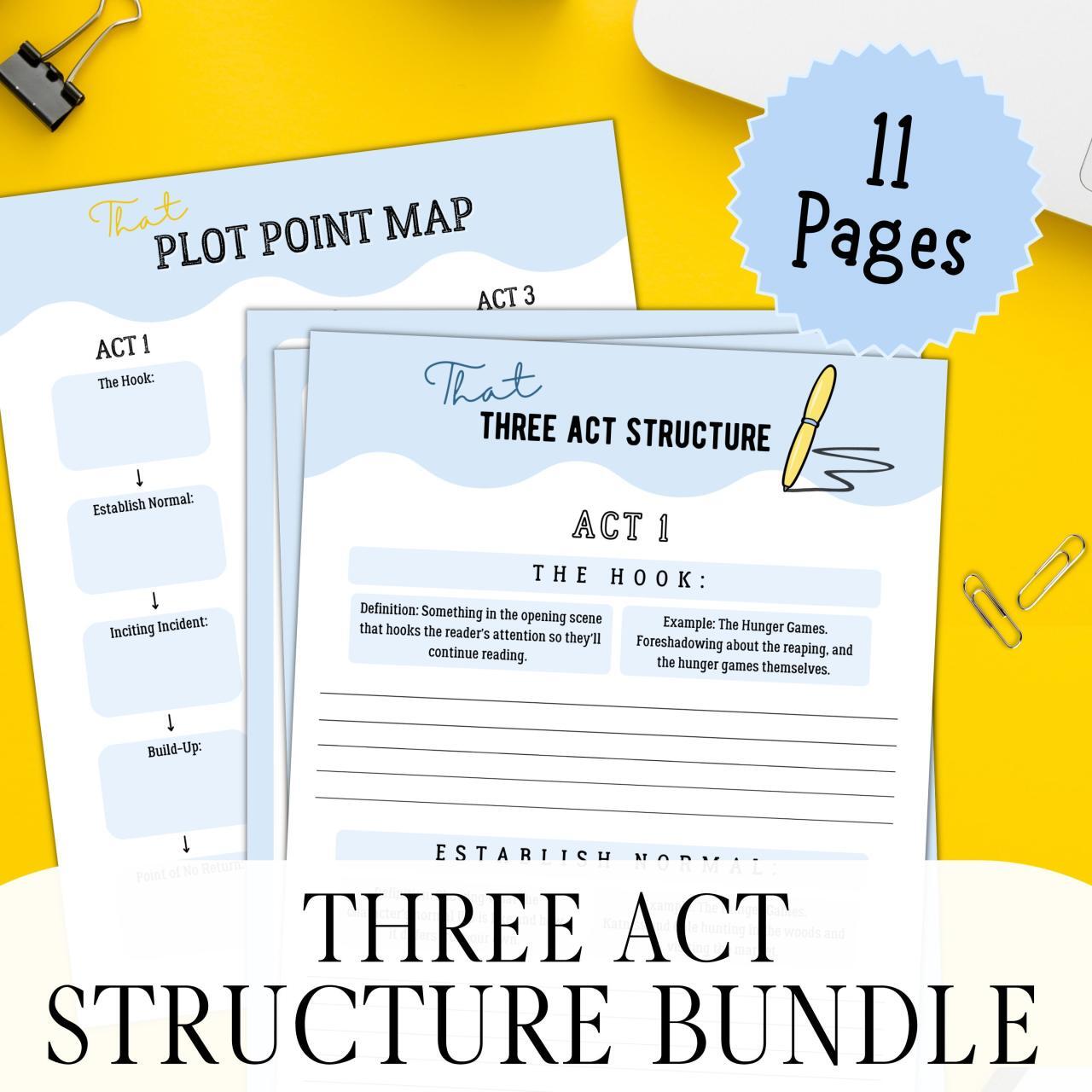
The Three-Act Structure is a versatile storytelling framework that can be tailored to various mediums, including novels, screenplays, and stage plays. Each medium possesses unique characteristics that influence the way this structure is applied, requiring adjustments to pacing, timing, and overall narrative development. Understanding how to adapt the Three-Act Structure for different formats can enhance the effectiveness of storytelling and ensure that the narrative resonates with the intended audience.Each medium requires distinct approaches to pacing and timing, which can significantly influence the overall impact of the story.
Here are some specific adaptations for novels, screenplays, and stage plays.
Adapting the Structure for Novels, Screenplays, and Stage Plays
For each medium, the application of the Three-Act Structure can vary significantly based on inherent characteristics. Below is a comparative overview highlighting key differences and necessary adaptations.
| Aspect | Novels | Screenplays | Stage Plays |
|---|---|---|---|
| Length | Typically longer, allowing for in-depth exploration of characters and themes. | Generally concise, focusing on visual storytelling and dialogue. | Limited time frame, necessitating tight pacing and efficient scene transitions. |
| Pacing | Allows for slower pacing with subplots and character development. | Requires faster pacing; scenes often need to be concise to fit time constraints. | Pacing must be swift and engaging, due to live audience considerations. |
| Character Development | In-depth internal monologues and backstories are common. | Character development is shown through actions and dialogue, not internal thoughts. | Character arcs must be conveyed through visible actions and dialogues, with minimal exposition. |
| Visual Elements | Relies heavily on descriptive language to create imagery. | Utilizes visual storytelling; visual cues and camera angles drive the narrative. | Relying on stage direction and set design, the visual context is crucial. |
| Scene Transitions | Can involve elaborate transitions and chapter breaks. | Transitions are often indicated by cuts or fades; fast-paced scene changes keep momentum. | Scene changes must be clear and often utilize physical shifts in the stage set. |
Adapting the Three-Act Structure according to these characteristics allows writers to create compelling narratives that fit the expectations and limitations of each medium. Depending on the format, different techniques can be deployed to enhance the storytelling process and engage audiences effectively.
“Understanding the nuances of different storytelling mediums is crucial for effective narrative construction.”
In summary, the Three-Act Structure can be dynamically adjusted to suit novels, screenplays, and stage plays, each requiring specific pacing, character development, and visual storytelling techniques. By recognizing these differences, writers can amplify their storytelling effectiveness across diverse formats.
Last Word
In conclusion, mastering the art of structuring your plot using the Three-Act Structure not only empowers writers to avoid common pitfalls but also fosters originality in storytelling. By understanding the nuances of each act and integrating character development, writers can create narratives that captivate and resonate. As you embark on your writing journey, remember that a well-structured plot is the foundation upon which memorable stories are built.